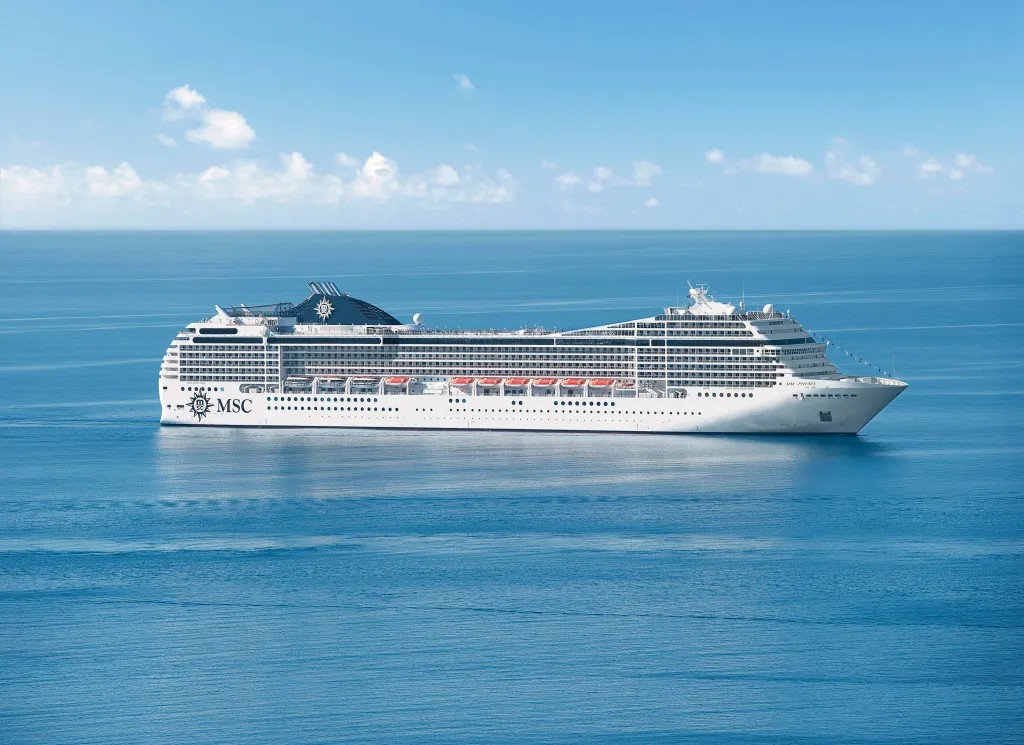
Alaska isn’t just ice and rock. It is a feeding ground. Millions of tourists come here every summer hoping to spot a humpback or an orca breaking the surface of the grey water. Cruise lines have become the primary transport for this obsession. Roads don’t go far out.
The numbers are back. Passenger volume in Alaska cruises has bounced back 33 percent from pre-pandemic levels. Over a million travelers squeeze onto ships each season. Roughly 68 percent of them fly in from other countries. They want the glacier views. They want the wildlife. But there is a collision course forming between human desire and marine biology.
The summer months align almost perfectly with the peak feeding and migration seasons for these giant mammals. That timing is awkward. It creates noise. It creates disruption. So some lines are trying something different.
Data over Distance
A study recently suggested that protecting just 2.5 percent of the world’s oceans could safeguard nearly 90 percent of large whale species. That statistic has weight. MSC Cruises decided to take it seriously for their inaugural Alaska season launching in summer 2020—wait. No, summer 2026? Let’s stick to the text. The initiative is happening now, ahead of their 2026 debut focus.
Actually, they are putting a Marine Mammal Observer (MMO) from the conservation group ORCA on board the MSC Poesia right this summer. This was announced last month at the CLIA Pacific Northwest Symposium.
Linden Coppell, the VP of sustainability at MSC, said they aren’t waiting for regulations to force their hand. “We’re choosing to lead.”
That sounds corporate. But the practice is physical. The ORCA observer sits with the bridge officers. The ones steering the ship. Their job is to spot whales in real time. To flag them. To suggest course corrections or speed reductions before a whale ends up under a hull or in the path of a propeller.
“Our goal is to build the most complete possible picture and an evidence-based understanding.”
That quote belongs to Steve Jones, COO of ORCA. The goal is evidence. Not vibes. They need to know how whales actually react to the rumble of a cruise liner.
This isn’t new to ORCA. They’ve trained seafarers from forty companies. MSC alone has put nearly 700 crew through whale-avoidance training. Now they are applying that theory to live data collection in Alaska.
The Evidence Base
The season will produce a log. A detailed record of where the ship went and where the whales were.
Proximity matters. Behavior matters. The team tracks the ship’s route against every sighting. They measure the distance. They document whether the whale changes course, breaches, or dives deep. The pattern matters. If whales consistently move away from a ship traveling at twelve knots but stay calm at nine, that is actionable data.
Jones wants bridge teams to have that data in their pocket. So they can make informed decisions that reduce disturbance.
The findings won’t stay in a drawer. ORCA feeds this data into international conservation efforts like the IUCN’s Important Marine Mammam Areas program. In other places—like the Antarctic Peninsula—this kind of research helped create geofenced zones where ships must slow down. Alaska could be next.
Guests in the Mix
Travelers care. Surveys show that whale watchers value responsible tourism. They want the landscape intact.
So MSC is turning the observer into an educator too. The MMO holds talks onboard. Explaining what they are watching. How biodiversity works. Why certain operations exist. They introduce passengers to citizen science initiatives. Asking guests to contribute to the long-term data collection.
Is it a stage? Coppell says no. He argues it’s about embedding responsibility into the operation and sharing the story.
They also look at shore excursions. ORCA reviews the local whale-watching tour operators. They flag the good practices. They provide feedback throughout the season.
A Test Case?
If the MSC Poesia data leads to better navigation protocols, will other lines copy it?
Jones thinks so. He sees interest. He says in five to ten years more brands will want this kind of legacy. MSC has a second season selling for 2027 already. This is business. But it’s also a lab.
“Alaska is a living laboratory.”
That’s how Coppell puts it. What works on the deck in Seward might work in Baja or off Australia.
If this model holds up, it changes how ships move. It suggests we can navigate dense wildlife areas without ignoring them. Or do we?
The question lingers. Can industry and conservation really share space without one overpowering the other? The ships are already there. The whales are feeding. We will see what the data says.