Amex gives you one shot. Lifetime. If you miss the bonus on that card, you never see it again.
Citi? Different story. They have a window. Four years to be exact. It’s called the 48-month rule and it governs who gets that chunky sign-up bonus and who goes home with nothing.
Here’s how the game actually plays out.
The Application Gates First
Before we even talk about bonuses, you have to get approved for the card itself. Citi isn’t picky about how many total cards you hold with them. You can have a dozen. Maybe twenty.
Eventually you’ll hit a ceiling though. Based on your income and score. That limit varies wildly from person to person.
But the timing? That’s strict.
- One card every 8 days.
- Two cards maximum in 65 days.
That’s the baseline. Apply faster than that and they’ll bounce your application.
The Real Hurdle: 48 Months
Okay, so you’re approved. Can you keep the points? Maybe not.
The 48-month rule hits on welcome bonuses specifically. If you earned the sign-up offer on this exact card in the last 48 months you get nothing this time around.
Notice the specificity?
It’s not about owning the card. It’s about earning the reward. And the clock doesn’t start when you apply or when the account opens. It ticks over when you actually collect that bonus.
This applies only to you, the primary account holder. Being an authorized user on someone else’s card never burns your eligibility.
That’s good news if you’re sharing cards around. Bad news if you’re trying to double-dip.
Also? Closing the old card doesn’t help. It never did anymore. In the old days—remember those?—there was a 24-month rule involving card “families” where opening or closing any card in the family froze you out for two years. That policy is dead.
Now it’s simple. Did you get the bonus on this card product within four years? If yes, wait.
Do The Cards Overlap?
Nope.
Each card product stands alone.
This is where most people get tripped up because they think Citi Strata and Citi Strata Premier are the same entity for bonus purposes. They’re not.
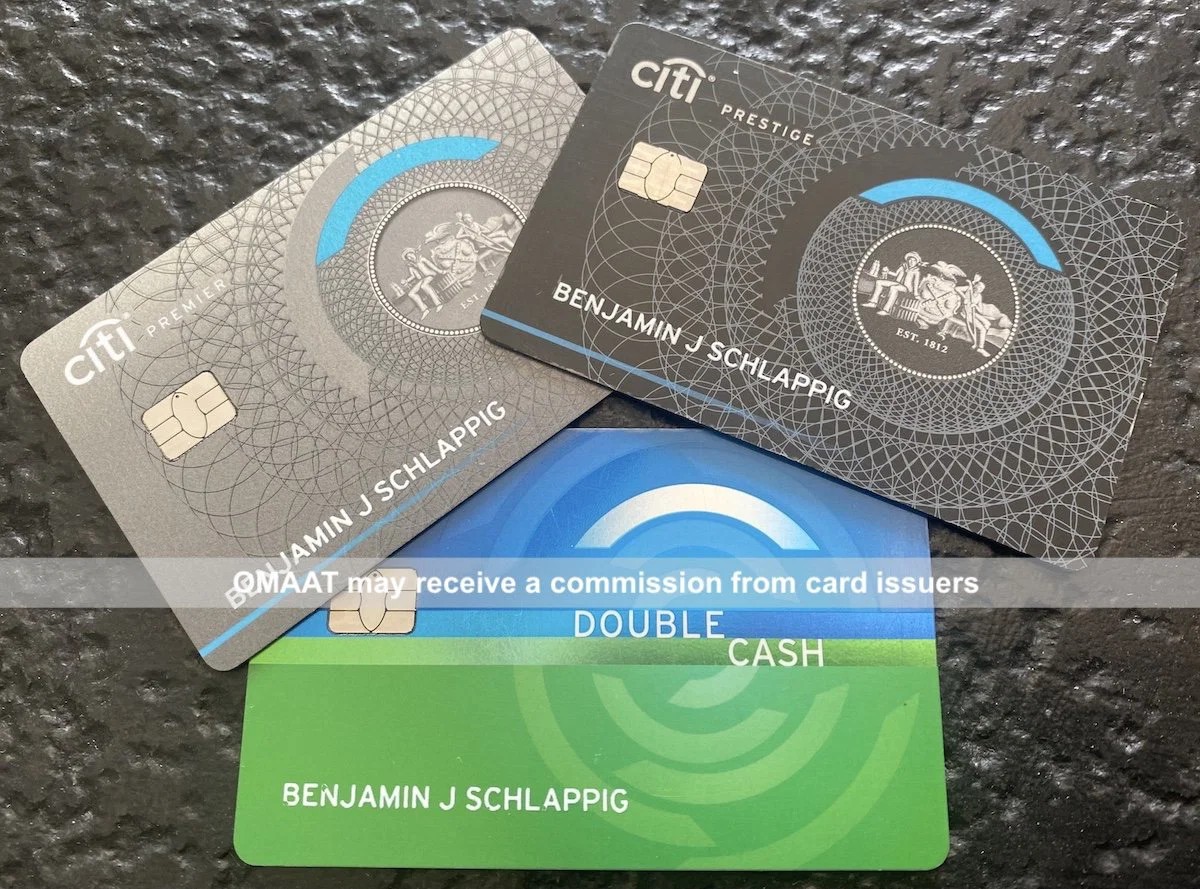
Have a Premier card and earned the bonus in 2021? Fine. Sign up for the Strata Elite today. The clock hasn’t touched that one. Same logic applies to the American Airlines suite. You can bounce between the Executive and the Globe cards because each one resets the counter independently.
How Do You Even Remember?
You probably don’t.
I use a spreadsheet. Track everything. Open dates. Bonus earn dates. Close dates. It feels annoying at first. It pays off when you’re three years later and trying to plan your next signup.
If you aren’t running a database? Guess.
Call Citi. They can tell you when an account was opened. From there? Add a buffer.
- Spend requirements usually take 1-3 months to hit.
- Bonuses can take a billing cycle to post.
Add 3-6 months to your account opening date for a safe estimate. Don’t expect the rep on the line to know the exact day your bonus cleared four years ago. They won’t have that granular history.
Why Does This Matter?
It makes Citi weirdly flexible if you plan for it.
You don’t have to quit banking with them after one bonus. You just wait four years. Or switch products within the family to reset the clock entirely.
It’s a loophole if you want to call it that. A rotation system really.
Most people don’t track these things. They sign up for the card that’s hot that quarter. Then they move on. By the time four years have passed? The product might have changed names. The terms might be tighter.
But the rule stays the same.
48 months. Not a day sooner.