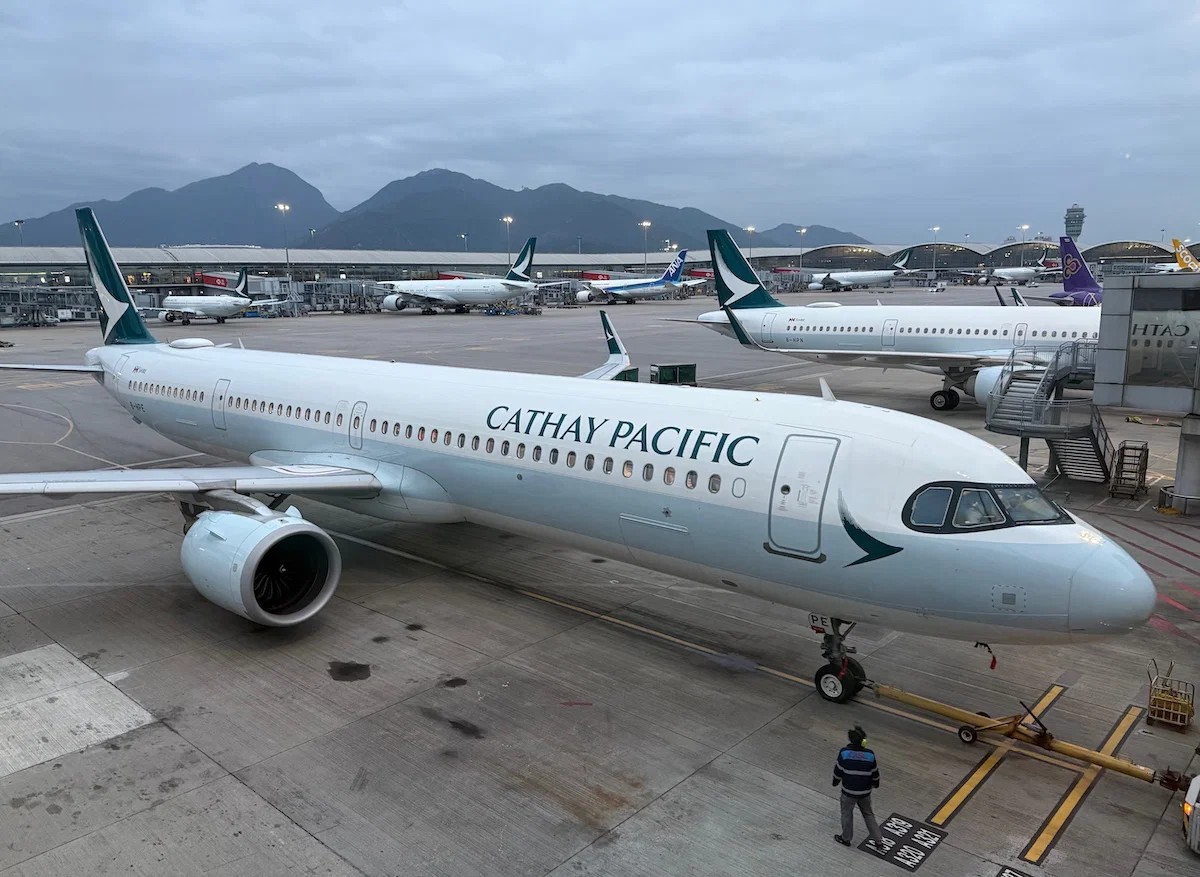
Cathay Pacific is cutting seats.
Not just one. Seven.
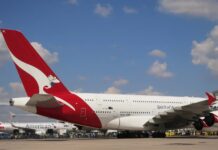
It’s a rare move in an industry obsessed with packing metal tubes to the brim, but here it is. The Hong Kong carrier is reconfiguring its Airbus A321neo fleet. Fewer chairs. More space.
The backstory behind the A321neo upgrade
You might not know the full history, but these planes have a complicated lineage. Cathay Pacific originally ordered the A321neos for Cathay Dragon.
Then the merger happened.
Cathay Dragon folded into the mainline operation. The narrowbody planes stayed. In fact, the airline liked them enough to expand the order. They now have at least 30 on the books, with roughly half already in the sky.
It is their only narrowbody jet.
That makes it a high-priority asset.
But comfort?
Let’s be honest. The current setup is tight.
202 seats.
12 recliner seats in Business Class.
190 in Economy.
The economy pitch is 30 inches.
In 2024?
That feels like a punishment. Especially when you look at the rest of the Cathay fleet. It compares poorly. Rivals are installing flat beds on regional routes. China Airlines. Korean Air. Singapore Airlines. Thai Airways. Cathay? Still offering recliners in the front.
So, what is the fix?
How the new Cathay Pacific A321neo layout works
The airline isn’t adding lie-flat seats. Not yet.
Instead, they are doing the hard thing.
They are removing capacity to improve the product.
Economy gets longer legs.
To get there, they are deleting rows.
The pitch will increase from the current cramped 30 inches. Exactly how much more? The text doesn’t give a new inch measurement, but the intent is clear. Remove seats. Add room.
The bathrooms get bigger.
Ever tried to maneuver in a back-of-the-plane lavatory on an A320-family jet? It’s a claustrophobic nightmare.
Cathay is moving the rear lavatories forward. Ahead of the rear doors.
Why?
Space.
It’s a simple geometry hack. Move the walls. Give passengers a few extra inches of elbow room.
The galley gets usable.
Crews need to work.
The current rear galley is likely a bottleneck. By shifting those tight lavatories forward, they free up square footage for the food prep area. Efficiency for the staff means faster service for you.
Seat count and exit row changes
The math is straightforward.
Old layout: 202 seats.
New layout: 195 seats.
Seven seats gone.
But the real win isn’t just the legroom. It’s the emergency exit configuration.
Previously, you had one set of mid-cabin exits and one set of rear exits.
Now? Two sets of mid-cabin exits.
It’s more efficient for boarding and deplaning. Less standing in line at the back.
There is also a renumbering.
No more “Row 69” on a short-haul flight.
The row numbers will now match the long-haul aircraft. It’s a small detail. A psychological one. It makes the narrowbody feel less like a commuter shuttle and more like part of the premium brand.
When will you fly the new Airbus A321neo?
Fast.
Really fast.
Cathay currently has 16 A321nos.
The 17th arrives in the coming weeks.
That will be the first bird off the nest with the new cabin.
All future deliveries will come this way from the factory.
But what about the old ones?
Cathay hates inconsistency.
They plan to retrofit all 16 existing planes in the coming months. The goal is fleet uniformity. If this rolls out as quickly as they say, you might see the entire transition done by the end of 2025. Or maybe early 2026.
Is it worth the lost revenue?
Seven seats per flight adds up.
But Cathay seems to believe the brand lift is worth it.
A slightly open ending, perhaps.
Will they finally give us those flat beds?
Maybe not today.
But today, you get your knees back.