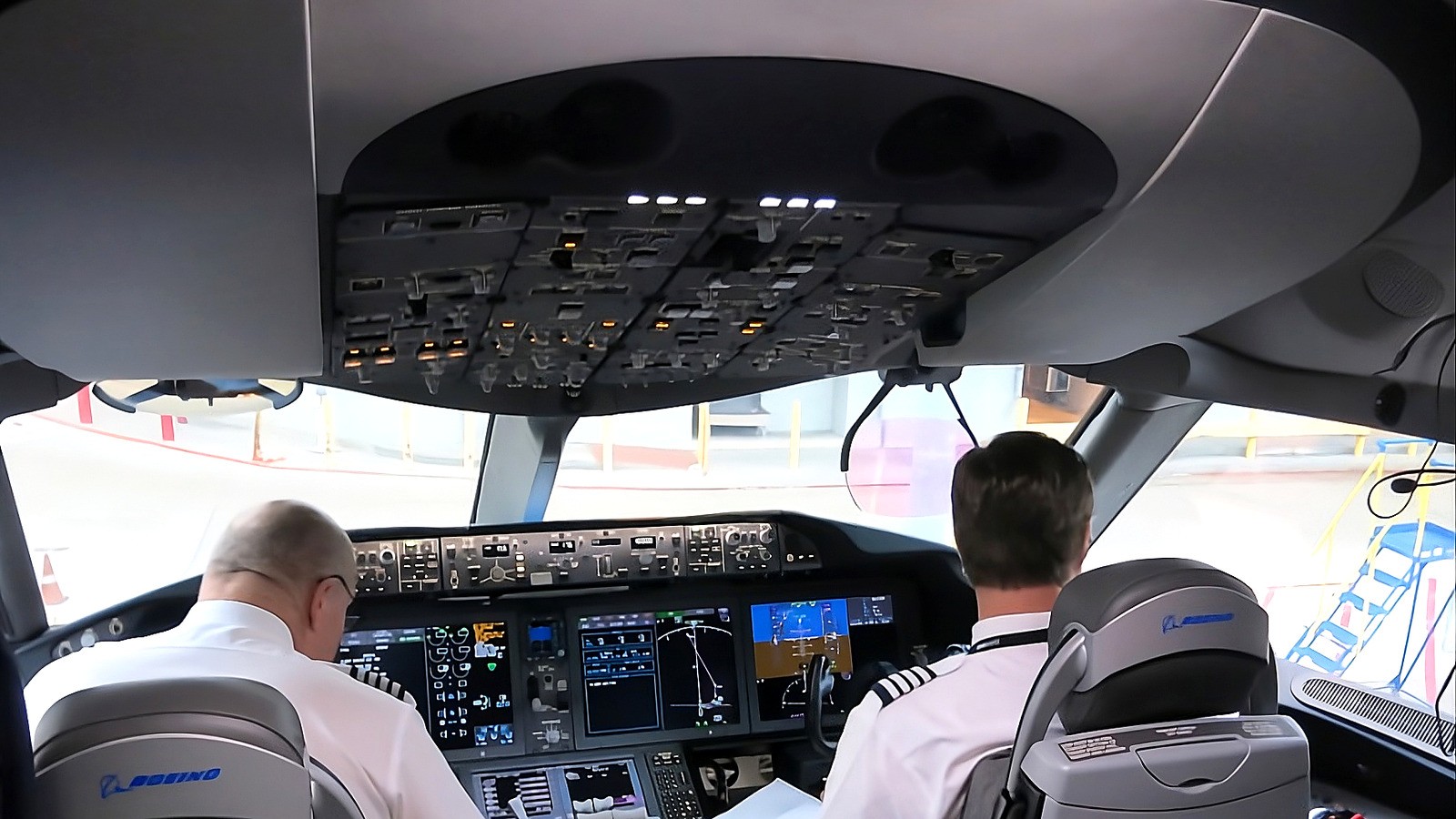
All three British Airways pilots fell ill mid-flight on a route from Hyderabad to London Heathrow, yet the plane didn’t turn back. Flight 276 was bound for London when food poisoning hit the cockpit crew. One first officer became so sick he had to be given oxygen at 30,000 feet. The captain and the other first officer stayed at the controls, continuing a 10.5-hour journey while feeling worse, not better.
It wasn’t random. They had all eaten the same breakfast at their hotel before departure.
Why Did They Continue?
A three-pilot crew on a long-haul flight isn’t about redundancy at the controls—it’s about rest. Standard procedure for routes over ten hours allows crew members to rotate rest periods in the crew bunk. But that system assumes everyone is fit to fly. When one officer incapacitated, the other two remained legally qualified to fly the plane. The captain still had a first officer. Technically, the aircraft had enough licensed bodies to land.
But were they safe?
The captain and the surviving first officer were also symptomatic. Symptoms reportedly worsened significantly after they touched down in London. They submitted Air Safety Reports. They provided biological samples for testing. Doctors are still looking into the cause.
Pilot unions claim this is not an isolated event. Sources say there have been “dozens” of previous hygiene complaints regarding the unidentified hotel in Hyderabad. British Airways, however, calls it “some isolated reports of sickness.” They’ve moved crews to different accommodation for now.
The Medical Reality
There are rumors floating around that one pilot underwent a 12-hour surgical operation. That part doesn’t check out. It sounds like the kind of story that spirals beyond anything verifiable when news breaks late at night. Don’t believe it.
What we know is that both remaining pilots were compromised. Regulations state that cockpit crew cannot perform duties if sickness makes them unfit or if they doubt their ability to execute them safely. The captain is ultimately responsible for deciding whether to continue or divert. Was it his call? Likely yes. Based on what? Severity of symptoms, location of the aircraft, medical advice via radio, and availability of diversion airports. Continuing to Heathrow was a calculated risk, not a panic decision.
Old Habits Die Hard
British Airways pilots are supposed to eat different meals to ensure that one bad dish doesn’t take out the entire bridge team. Usually, that means different meals onboard the plane. But here, the entire crew shared a hotel breakfast. Big mistake.
This isn’t the first time food has threatened to end a flight. Look back to March 5, 198. Trans American flight 209 was flying from Los Angeles to Chicago. Captain Clarence Ovuer and First Officer Roger Murdoch got food poisoning from eating fish. The plane landed safely in Chicago through a mix of luck, autogyro, and a passenger with military flying experience.
Elaine Dickinson, a flight attendant, activated the autopilot. Ted Stryker, a passenger and former military fighter pilot, took the controls. He had flown attack missions over “Macho Grande.” Yes, that’s real. No, you don’t want to fly near Macho Grande.
Hollywood Was Right (Again)
Airplane! is a parody. Zero Hour! is the drama that inspired it. Both feature pilots incapacitated by bad fish. In Airplane!, Ted Striker saves the day. He’ll never be over Macho Grande, though. That line is legendary for a reason.
Now, reality imitated a comedy that imitated fiction. British Airways Flight 276 wasn’t quite as cinematic. No passenger pilot stepped up to land the plane because they didn’t have to. The other two pilots did it themselves. Sicker than they should have been, yes. But they flew the jet. To London. Where they then got even worse.
Did they make the right choice? The safety reports say they acted within protocol. Common sense says they got lucky. Both can be true. The hotel hygiene is a separate issue. One is a medical failure. The other is an operational oversight. Both contributed to a cockpit that was, frankly, a hazard zone.
The union wants answers. The airline wants to downplay the risk. Passengers just want to eat their peanuts without wondering if their captain will throw up at 35,000 feet. Next time, maybe eat something else.