The word Rumeliia means “land of the Romans”. It sounds ironic today. The Turks conquered this area in the middle of the 14th century. This country was once part of the Byzantine Empire, so they levyed it “Rumeli”. The Roman Empire fell, but the name remained.
For centuries it was the center of the Ottoman Empire in the Balkans.
To walk in these areas today is to step into a complex history of governance. The boundaries are constantly changing. Maps changes ownership, shares and reorganizes. Only in 1864 did things become clear. The Ottoman Empire defined vilayet or provinces. These were divided into sancak, or regions. This system continued until the empire finally collapsed.
An administrative map of a declining empire
Understanding the layout helps us understand the ruins we see today. The Danube vilayet were first established in 1864. This was followed in 1867 by the founding of Ioannina and Salonika. These are not just bureaucratic organizations. They are powerhouses.
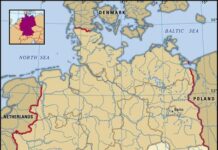
The Treaty of Berlin of 1878 broke the old order. It divided the Danube vilayet. Bulgaria became an independent country, but remained under the Ottoman Empire. Southern Bulgaria became Eastern Rumeliia. The capital was Philippopoli, now Plovdiv. Western Rumelia is divided into three regions: Edirne, Salonika and Monastir.
The separation did not last long. In 1885 Bulgaria annexed Eastern Rumeliia. The map is moving again. After the Treaty of Bucharest in 1913, these pieces entered the modern orbit. Monastir went to Serbia. Salonika to Greece. Only Edirne remained under Ottoman control.
The remaining areas belong to the new nations. However, traces of the Ottoman Empire still remain. It is in the stone. It is in the mosque domes. This is the name on the map.
Center of power and faith
Why is this important for travelers? Because Rumeliia is more than just land. This is a resource. In the 15th and 16th centuries it supplied devşirme. This is a levy to Christian boys. They were removed from their homes. They were converted to Islam. They held the highest positions in the Ottoman army and government.
This system shaped the demoarchitectureic structure of the region. It caused deep historical trauma and cultural exchange. The results are still displayed in the architecture.
Rumeliia is also a center of Islamic culture. Religious schools or “medrese” flourished here. The same applies to mosques. Cities such as Üsküb, İstip, Prizren, Pristina, Monastir and Edirne became centers of learning. scholars gather there. A place where art is born. A place to exercise your faith.
Mystic brotherhoods has a strong following in Bulgaria, Albania and Bosnia and Herzegovina. Their presence adds a new layer to the region’s spiritual landscape. Sufi orders moved freely across borders. They created tekkes, They hosted gatherings. Their influence is