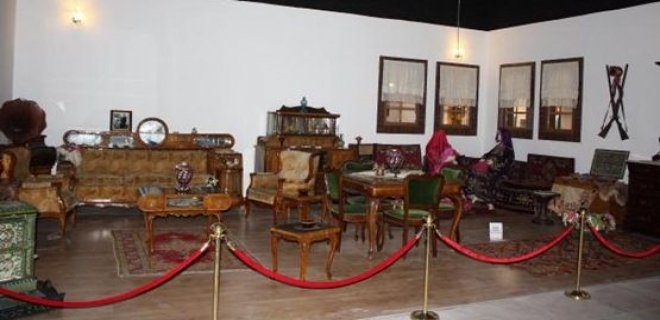
The Çankırı Museum has a habit of moving. Since it first opened in 1972, it has bounced around the city, taking up residence in several different buildings before finally settling in its current spot. Today, it operates out of the Yüzüncü Yıl Kültür Merkezi (100th Year Culture Center). This isn’t just a storage unit for old rocks. It is where the past of Çankırı comes into sharp focus.
If you are planning a trip through central Turkey, this is a stop that deserves attention. The museum houses a solid mix of ethnographic and archaeological artifacts. You can trace the region’s timeline from the Bronze Age all the way through the Roman and Byzantine periods. The sheer volume of history packed into this building is impressive for a provincial museum.
Why Visit the Çankırı Museum?
Most travelers fly past Çankırı on their way to Cappadocia or Istanbul. That is a mistake. The museum offers a quiet, concentrated dose of Anatolian history without the crowds. It answers the question of what lived here before the modern city took shape.
The collection is divided into two main sections: archaeology and ethnography. The archaeological wing displays items from the Bronze Age, Roman era, and Byzantine period. These are not just broken pots. They are windows into daily life, trade, and conflict in central Anatolia. The ethnographic section shows how people lived in more recent centuries, preserving the material culture of the region.
Practical Details for Your Visit
Getting there is straightforward. The museum is located in the center of Çankırı, making it easy to fit into a half-day itinerary.
Address: Cumhuriyet, 18100 Merkez/Çankırı
Phone: (0376) 213 02 04
You can call ahead to confirm opening hours, as they can occasionally change with holidays or administrative shifts. The building itself is part of the larger culture center, which often hosts events. Keep that in mind when you arrive.
The Bronze, Roman, and Byzantine Layers
The artifacts here are particularly strong for the Bronze Age. This period is often overlooked in favor of the more famous Classical Greek or Roman sites on the coast. Çankırı, however, was a significant crossroads. The museum highlights its role in regional trade networks.
Roman and Byzantine finds are abundant. You will see pottery, tools, and personal items that belonged to ordinary people. These objects ground the history. They show that this was not just an empire’s backwater. It was a lived-in space with its own rhythms and struggles.
The ethnographic collection adds another layer. It bridges the gap between ancient artifacts and the living memory of the city. Textiles, household items, and traditional tools are displayed with care. They provide context for the archaeological finds. Without them, the older items might feel disconnected from the present.
Is It Worth the Detour?
If you have a car, yes. It takes less than an hour to explore the museum if you move at a steady pace. For history buffs, it is a rewarding experience. The site is not flashy. It does not rely on interactive screens or multimedia displays. What it offers is authenticity.
The
Why the Sakaeli Kaya Tombs are the highlight of any Chankirii itinerary
If you’re planning a trip to Central Turkey, you probably have a list of historic stops. But one place stands out for its absolute antiquity and the spooky atmosphere it conveys. The Sakaeli Kaya tombs are the oldest structures in the area, dating back to Roman times. They aren’t just ancient stones; they are carved directly into the rock, they provide a tangible connection to the time when the Roman Empire extended its influence deep into Anatolia.
Tourists traveling to Chankiri are often particularly interested in these tombs. There is a specific kind of excitement surrounding them. There is a mysterious weight to the place that you can feel just standing near the entrance. It’s the kind of place that doesn’t just beg you to look at it; It requires you to slow down and take it in.
Plan your visit to Sakaeli Kaya
The journey is part of the experience. The tombs are located near Chankiri and the journey itself sets the tone. You are looking at a landscape that has remained largely unchanged for centuries. The rock-carved architecture is a testament to the skill of Roman craftsmen who worked with natural stone and created tombs that would last for millennia.
Why do so many visitors choose this stop as a priority? It’s simple. It is rare to find Roman-era tombs so accessible and well-preserved in such a remote setting. Unlike the crowded ruins of Ephesus or Pergamon, Sakaeli offers a quiet, almost solitary experience. You can have most of the site to yourself. This solitude adds to the sense of history.
When you arrive, look for the intricate carvings. They are not always immediately recognizable from a distance. You can see the details of the facades up close. Some graves have decorative elements that indicate the status of the deceased. It is a reminder that social hierarchy mattered even in death.
How to include Sakaeli in your Chankirii schedule
Since Chankiri is often used as a gateway to other parts of central Turkey, you may be wondering how much time you should allow. A few hours is enough. You don’t need a full day unless you plan to explore the surrounding countryside. The site is compact. You can walk around the area, examine the different tomb entrances and find a quiet place to reflect.
There isn’t much in the way of facilities. Bring water. Wear comfortable shoes. The terrain is uneven in places. This is not a posh tourist destination with wide paved paths and souvenir shops. It’s raw history. That’s part of its appeal.
For those wondering when is the best time to visit, early morning or late afternoon is ideal. The light falls on the surface of the rock in such a way that the carvings are highlighted. The midday sun can wash out the details, making it harder to see the nuances of the architecture.
Why the detour is worth it
You can skip it if you have a tight schedule. But if you have the time, don’t. The Sakaeli Kaya tombs offer something that modern museums often fail to convey: the physical presence of the past. You are standing where Romans once mourned their dead. The silence is heavy. Carving these tombs into solid rock is required to be impressive
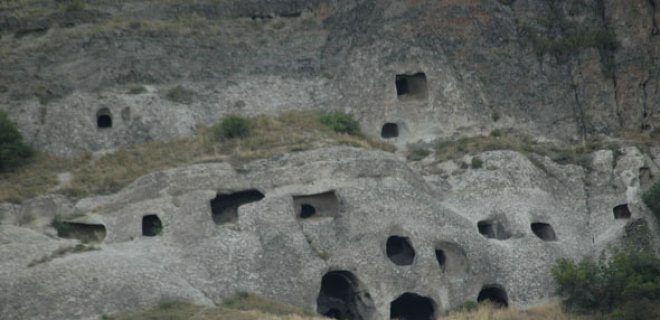
Take a deep breath at Kırkpınar Yaylasa in Ilgaz
There’s a reason why people drive all the way to Çankırı just to sit on a hill and do nothing. There is not just one summer pasture in the Kırkpınar Yaylası Ilgaz area. It is a botanical archive. Not only does the air feel cleaner here; it is chemically richer.
The plateau is located on the ridge of the mountain, which acts as a natural oxygen reservoir. Hundreds of species of flowers bloom here, forming a mosaic of colors against the greenery. It attracts hundreds of visitors every year, not for the festival or the monument, but for the clean air.
The locals know this. They come here to breathe. The pressure in the city does not reach this level. You park the car. You go out. Your lungs expand in a way they haven’t in months.
It is an ideal place for a picnic that also acts as a detox. You don’t need any special equipment. Just a blanket, some food and a willingness to be bored by modern standards. The landscape demands it.
Why go here and not a more developed resort? Because there is no ticket counter. No entrance fee. Just grass, flowers and a view. You bring your own supplies. The logistics are simple: drive to Ilgaz and follow the signs to the plateau. Timing is less important than you think. The light changes throughout the day, offering different perspectives on the same quiet beauty.
Kırkpınar Yaylası is a natural oxygen reservoir that attracts visitors looking for relaxation and fresh air.
This is not about checking a box. It’s remembering what silence sounds like, accompanied by the wind moving through wildflowers. You leave with full lungs. Empty stomach. A mind that feels scrubbed clean. The return trip is always a bit of a shock. The air becomes heavier. The noise returns. You find yourself checking your phone’s air quality index and wondering if it’s still as good where you live.
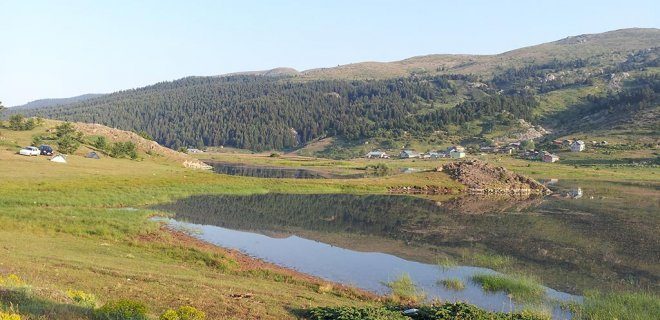
Every city has a face. For Çankırı, it is the outline of a stone against the sky. You can’t miss it. It is Çankırı Kalesii, the fortress that defines the horizon. It’s not just a pretty background. It is the anchor of the city.
The structure built in the Hittite period has survived the times of other empires. The wall stretches for about 730 meters. It circles the terrain, a relic of the time when the Hittites ruled these highlands. Different states held on to it for centuries. Persians. Romans. Byzantines. The Seljuks. Everyone has left their mark. Everyone used the stone for their own purposes.
Why visit Çankırı Castle?
It is one of the most important historical sites in the area. If you’re planning a trip to Central Anatolia, skipping this one will feel like missing out on a main course. The fortress offers more than just old stones. It provides perspective.
The location is strategic. It is located high up and offers views of the surrounding plains. On a clear day you can see for miles. It’s constantly windy here. It carries the dust of history. When you stand on the city wall, you can feel the weight of the 730 meters of wall. It’s impressive. It’s quiet.
Logistics for the traveler
The way there is easy. The castle is located within the city limits. You don’t need four-wheel drive. A normal car is enough. Parking is available near the base. From there it’s a short trip uphill. The trail is partially paved, but expect uneven rocks. Wear sturdy shoes. The climb is steep in parts.
Standard guidebooks do not mention an entrance fee, but always check the local regulations in force. Opening hours are usually during daylight hours. Go early. The light is softer. The crowds are thinner. Midday heat can be intense in this area.
What you should pay attention to
Don’t just take pictures of the wall. Look at the details. Masonry varies. Some parts are rough Hittite blocks. Others show refined Ottoman repair. You can see where different eras layered their work.
Look for the remains of the towers. They are rare now. But you can imagine their size. Imagine the guards looking out. Silence is heavy here. It is not empty. It’s full of ghosts.
Practical tips
- Timing: Spring and autumn are the best. Summer is hot. In winter, there can be ice on the rocks.
- Shoes: Grip is essential. The paths are steep.
- Water: Bring a bottle. There are no shops on the walls.
- Photography: The best viewing angles are from the inner courtyard. The sunset casts long shadows over the ruins.
It is a place of reflection. Not just sightseeing. The view is huge. The story is deep. You will leave with more than one photo. You leave with a sense of scale.
The castle doesn’t scream. It stands. And in that standing, it tells its story.
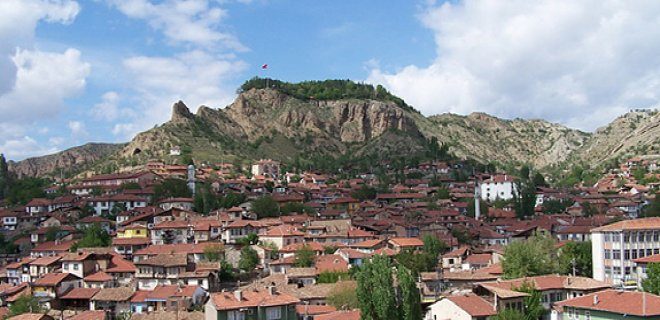
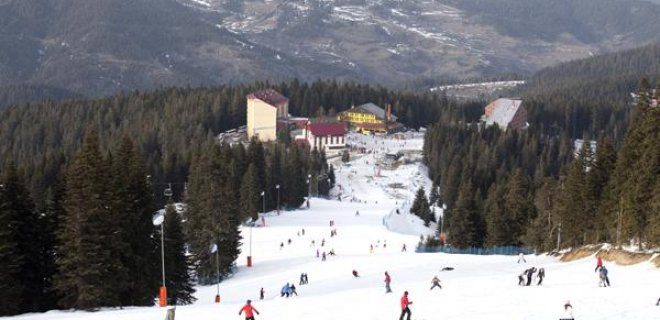
Why Ilgaz Ski Resort is a winter highlight for Çankırıı tourists
If you are traveling to Çankırı during the winter months, it would be a mistake to miss Ilgaz Ski Resort. The natural landscape of the area offers excitement that is more than just skiing. It is a place where the sheer beauty of the surroundings adds to the fun of skiing.
For many visitors from nearby Central Anatolian cities, this is an annual snow sports destination. Thousands visit here every year, attracted by the reliable conditions and the rugged, breathtaking backdrop of the Ilgaz Mountains.
Where you can stay and play in the snow
You don’t have to travel far for this to work. In the resort area, infrastructure has been developed especially for skiing and to support visitors staying nearby. Several local companies offer combination packages or adjacent accommodation options, allowing you to focus on the action, not the logistics.
This convenience is one of the main reasons why the resort remains popular with domestic tourists. It eliminates the hassle of finding separate accommodation and transportation, so you can immerse yourself in the winter atmosphere as soon as you arrive.
What sets the experience apart
It’s not just the difference in height or the number of trails that matters. It’s all about the setting. The ski center is located in a harsh natural environment that feels remote despite its accessibility.
For travelers planning a winter trip, it’s rarely a question of whether to go, but rather how to fit it in. The answer is simple: plan a trip in the middle of visiting Çankırıı.
The slopes are suitable for many skill levels, but the real attraction for many is the feeling of remoteness and grandeur. You are high in the mountains, surrounded by dense pine and oak forests, and the air is fresh and cold.
Plan your visit
Timing is important. The peak season typically lasts from January to March, when the snow cover is the most consistent. But early winter trips can also offer good conditions, especially if you are flexible with your dates.
As this is a popular regional destination, it is recommended to book accommodation in advance, especially on weekends. The influx of visitors from Ankara, Kırıkkale and other nearby centers can quickly fill the best local spots.
The experience is based on simplicity. You come for the snow, you stay for the quiet and you leave with a memory of the mountains that feels tangible. There is a rhythm that you quickly notice: the crunch of skis, the silence between runs, the warmth of a lodge afterwards.
It’s an straightforward destination, but the clarity is part of its appeal. You know exactly what you’re getting.
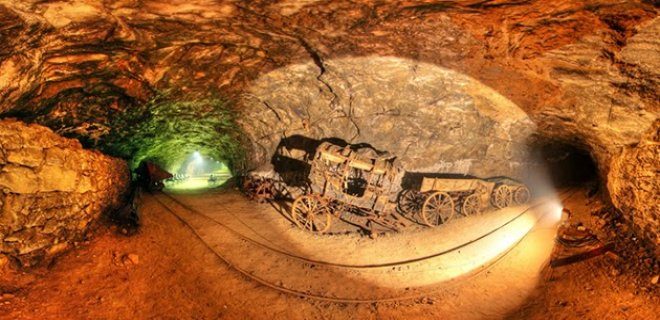
Why does everyone go to Çankırı for the salt cave
If you’re in Çankırıı, skipping Tuz Mağarası is basically an oversight. Almost every visitor makes a beeline for it. The name is not poetic; it is literal. The cave is full of rock salt. In fact, it has the highest concentration of rock salt in all of Turkey.
As you walk through the chamber, you’ll notice stalactites and stalagmites made entirely of salt. They look like frozen waves that have been caught in mid-crash. It’s a geological oddity you don’t see every day.
So why go?
First of all, the air inside is different. It’s thick. Heavy. And strangely clean. Locals swear by it for respiratory issues. Asthma sufferers often report immediate relief. Even if you don’t have respiratory issues, the novelty is worth the detour.
How do you find it?
It’s not hidden. However, it is a short drive from the city center. Signs point the way. Once inside, the walls glow. The floor crunches. Everything feels ancient.
You will spend about an hour inside. Maybe less. But that’s enough. The contrast between the barren Turkish landscape outside and this crystalline interior is jarring. And beautiful.
“Tuz Mağarası is not just a cave. It is a natural inhalation chamber.”
Pack your oddity. Leave your skepticism at the entrance. You won’t regret it.
The Real Cost of Getting There
Let’s be honest about the money. Flights to the region aren’t cheap, and they aren’t cheap because the airlines want to be cruel. They are expensive because the routes are long, the fuel costs are high, and the infrastructure is limited. You are paying for the distance and the exclusivity.
If you are looking at direct flights, expect to pay a premium. Most travelers have to route through major hubs like Istanbul, Dubai, or Doha. This adds time to the journey, sure, but it also opens up options for stopover tourism. Why not spend an extra day in Istanbul? Or Dubai? The layover becomes part of the itinerary, not just dead time between Point A and Point B.
For the budget-conscious, flexibility is your best friend. Flying mid-week often drops the price by a significant margin. Weekends are for locals and families. Weekdays are for the rest of us who don’t mind a slightly empty terminal.
Ground transport is where the real negotiation happens. Once you land, you aren’t in a city with a robust subway system. You are in a landscape where distance is measured in time, not miles. Taxis can be tricky. Haggling is expected. If you don’t speak the language, this is a minefield.
Navigating the Local Roads
The best option? Hire a driver. It sounds expensive until you factor in the stress, the potential for scams, and the comfort. A local driver knows the roads. They know which potholes to avoid. They know when to stop for tea. They are more than transport; they are a guide.
If you prefer independence, renting a car is possible but requires preparation. The roads are not always well-marked. Signage can be sparse. GPS works in the main towns but fades out in the rural areas. Bring offline maps. Bring a paper map as a backup. And drive defensively. Local driving styles can be… assertive.
Public buses exist in the major cities. They are cheap. They are crowded. They are authentic. But they are not comfortable. If you are planning a multi-day trip, the bus might not be the best use of your time. You lose hours sitting in traffic or on dusty roads.
Where to Stay: From Luxury to Local
Accommodation ranges from five-star resorts to guesthouses in converted stone houses. The mid-range is where you find the real value. Boutique hotels offer character without the markup. Family-run guesthouses provide hospitality that feels genuine. You get home-cooked meals, local advice, and a sense of place that chains can’t replicate.
Booking in advance is wise for the high season. Summer fills up fast. Winter is quieter, but some places close entirely. If you travel off-season, you might find deals, but you need to check opening hours carefully. A closed restaurant or a locked hotel door is not a good start to a day of exploration.
What to Pack for the Terrain
Leave the high heels at home. You will need sturdy shoes. Cobblestones, uneven streets, and occasional rough terrain demand grip and support. A light jacket is essential, even in summer. Evenings can get cool, especially if you are near the water or in the hills.
Sun protection is non-negotiable. The sun is strong. Hats, sunglasses, and sunscreen are daily essentials.