
We’ve shifted. Pets aren’t just animals anymore. They’re family. The numbers back it up. According to the American Veterinary Medical Association, American households with pets outnumber those with children by a factor of two. We dote on them. We post about them. We miss them when they’re gone. Naturally, we want them with us when we hit the road. And increasingly, the industry is listening.
Back in 2007, 29 million Americans took a trip with their furry companions. That number has likely grown since then. Many hotels and restaurants now welcome patrons and their pets. Some even bring them inside. You’ll find these details in travel guides, on websites, and in specialized publications. AAA, for instance, produces specific guides for people vacationing with dogs and cats.
But it’s not a free-for-all. Some venues are a perfect fit. Others are dead ends. Cruise ships? No. Art museums? Absolutely not. While attitudes are shifting, barriers remain. This article explores destinations and themes that offer both escape and a warm welcome for you and your animal.
Hiking and Outdoor Adventures
If you and your domesticated buddy are outdoor types, the wild is calling. Most states have public lands that allow leash-controlled cats and dogs to experience nature. Wisconsin alone has 99 state parks, forests, and recreation areas. Arkansas, known as “The Natural State,” offers 1,500 miles of hiking trails and 2.9 million acres of national forest.
For the ambitious, there’s the Appalachian Trail. It stretches 2,170 miles from Maine to Georgia. Each stop along the way has its own rules. Limits on the number of pets you can bring are common. Check with the state’s department of natural resources (DNR) for the policy of your specific destination before you head out.
Protected Areas and Restrictions
Pets face severe restrictions or outright bans in some public lands. In most U.S. national parks, pets are allowed only in developed areas. You can camp with them. You cannot take them on the trail. You cannot take them to the beach. You cannot leave them unattended at your campsite. Numerous historic sites and almost all buildings on U.S. state and federal lands prohibit pets altogether.
Camping Excursions

Leashed and Loaded: The Essentials for Overnight Success
Forget the idea that camping is strictly a human-only domain. Many campgrounds and state parks now welcome four-legged companions, allowing you to pitch a tent and sleep under the stars with your cat or dog in tow. Yes, your pet will likely need to stay on a leash. But that tether doesn’t mean they can’t curl up for a nap in the grass while you trade ghost stories around a crackling campfire after miles of hiking.
Before you pack the car, call ahead. Rules vary wildly from park to park. Some allow off-leash behavior in designated zones; others are strict about confinement. Knowing the restrictions before you arrive saves you from being turned away at the gate or fined on the spot.
To ensure your trip doesn’t devolve into a disaster, bring more than just a sleeping bag. If your pet isn’t sleeping in your tent, invest in a small, separate shelter with its own bedding. Isolation reduces anxiety for some animals and gives you space. You’ll also need the basics: leash, food, water, treats, and favorite toys.
But the smart travelers pack for health and hygiene too. Carry up-to-date vaccination records. A compact first-aid kit is non-negotiable. Don’t forget grooming supplies and, perhaps most importantly, flea and tick repellent. You want memories of the trip, not an infestation when you get home. Keep your pet on a leash or under voice control. Respect the environment. Clean up. The more courteous you are, the longer these pet-friendly venues stay open for everyone.
Hooved Adventures: Where to Ride and Camp
Thinking beyond paws? If your ideal trail mate has hooves, the public lands are surprisingly accommodating. You don’t just have to own a horse to enjoy them; some destinations offer rentals.
Take Watson Mill Bridge State Park in northeast Georgia. It’s a 1,000-acre (405-hectare) slice of forested bliss. The centerpiece is the Watson Mill Bridge, a historic covered structure built around 1885. It spans 229 feet (70 meters) over the South Fork River, holding the title of Georgia’s longest historic covered bridge. The park supports equestrians with rental stalls, riding trails, and varied camping options including tent sites, trailer hookups, RV spots, and even log cabin bunkhouses.
Cross the border into the Big South Fork National River and Recreational Area. This zone stretches across Tennessee and winds north into Kentucky. It’s a horse-friendly forest with nearly 125,000 acres (50,586 hectares) and 180 miles (290 kilometers) of trails. For those seeking luxury, the Charit Creek Lodge is reachable only by horseback. It’s remote, posh, and exactly the kind of place that makes the ride worth it.
If you prefer raw wilderness, look to the Bureau of Land Management (BLM). Managing over 245 million acres (99 million hectares) of land, mostly in the West, the BLM opens many of these vast tracts to horseback travel and primitive camping.
Consider the Palen/McCoy Wilderness in California. This 236,488-acre (95,703-hectare) expanse features five distinct mountain ranges, sand dunes, broad alluvial plains known as bajadas, and ironwood forests. There are no roads here. Just you, your horse, and the silence.
Wildlife Management Areas (WMAs) scattered across the U.S. are another solid option. Most offer equestrian trails and basic camping, though you’ll need to check hunting schedules to avoid conflict during open season.
“The more courteous you are to other visitors and respectful of the environment, the longer these pet-friendly venues stay open for everyone.”
The Next Leg
If your preferred pace is closer to 60 miles per hour (97 kilometers per hour) rather than a leisurely trot, the horizon opens up differently. The next chapter explores how you and your pet can share the road, turning a simple drive into a shared adventure.

If you’re the type who refuses to leave your dog at home, the open road offers more than just scenery. Towns across the country, from San Jose to Greenville, have turned pets into the stars of local fundraising. You’ll find annual “Bark in the Park” events that swap corporate meetings for canine playdays. These aren’t just walk-a-thons. They feature agility courses, frisbee competitions, police dog demonstrations, and plenty of food trucks.
Some of these gatherings have deep local roots. In Newport, Oregon, the Brewer’s Memorial Ale Fest happens every May. It’s a tribute to Rogue, a black Labrador who lived with brewmaster John Maier and became a local TV star until he died in 2006. Dog owners and beer lovers gather at Rogue Ales headquarters to honor him.
Further south, Hollywood, Florida, hosts the Dog Bowl during Super Bowl season. Pets dress in team colors. Owners enter them in games and “good citizen” testing. It’s less about winning and more about the spectacle.
Dog Agility and Show Circuits
Agility training is intense. It requires focus from both the human and the dog. The United States Dog Agility Association supports competitors looking to turn their hobby into a vacation destination. If your dog can handle seesaws, ramps, hurdles, tunnels, and weave poles, there are major competitions to enter.
In April 2012 alone, significant events took place in Camarillo, California; Palmyra, Pennsylvania; and Albuquerque, New Mexico. That’s a long drive just to watch dogs run through obstacles. But what if your pet is more about presentation than performance?
For breed-specific enthusiasts, the American Kennel Club (AKC) runs a massive circuit. They receive three million applications annually. Through 4,500 affiliated community clubs, you can enter single-breed shows, obedience trials, and hunting tests. It’s a nationwide road trip for dog lovers.
Cats aren’t left out of the show scene. The Cat Fancier’s Association (CFA) hosts 400 competitions globally each year. They recognize 40 pedigree breeds and include a “Household Pet Class” for mixed breeds. Winning a ribbon might be the ultimate travel reward.
Navigating International Travel Rules
Crossing borders adds a layer of complexity. You cannot just pack a leash and go. Every country has different restrictions, quarantine requirements, and documentation needs. Some nations require months of advance paperwork. Others mandate strict quarantine periods upon arrival.
Before you book flights or hotels, check the USDA-APHIS website. It provides specific guidelines for traveling with pets internationally. Ignoring these rules can mean your pet gets stuck in a cage while you go home alone.
Pet-Friendly Vineyards and Theme Parks
Not every trip needs to be centered on a dog show. Some destinations simply welcome pets. Vineyards in California, Virginia, Missouri, Michigan, Florida, and Oregon often allow animals on their grounds. Some even bottle wine specifically for pet owners. The Mutt Lynch Winery in Sonoma County, for example, produces a Merlot called “Over and Play Dead.”
Theme parks offer another option, though with caveats. Many provide day facilities to board your pet while you ride roller coasters. Fees vary. Most parks require you to bring your pet’s food. You’ll likely need to check in periodically to ensure their comfort.
RV parks are generally more relaxed. They accept well-behaved, leash-controlled pets. Many include dedicated recreation areas for dogs and offer pet-sitting services. This lets you take a side trip to a museum or a theater without leaving your companion behind.
When the highway starts feeling endless, consider leaving the car parked. Wandering into water offers a different kind of freedom.
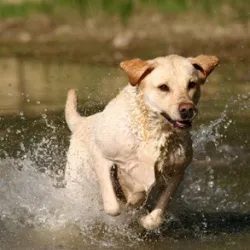
Water is a magnet. It pulls people toward the shore, whether to escape summer humidity or just to look at the blue. Cats might stay dry, but dogs? They leap in. If you’re planning a trip that involves both your fur baby and a body of water, Michigan might be the answer.
The state borders four of the five Great Lakes. That gives it 3,288 miles of shoreline. More than any other continental state. Add in 11,000 inland lakes, and you have a boating paradise. Most Michigan state parks feature water activities. You can fish from the shore. You can kayak down river trails. You can motor out into the vastness of the lakes. Some parks, like Traverse City or Porcupine Mountains Wilderness State Park, even rent out rowboats and kayaks in the summer.
If you’d rather not be the captain, chartered tours exist from the Atlantic to the Pacific. These are often pet-friendly. The Nature Cruises Aboard the Acadian in Maine take dogs. So does the Canine Cruise on the Chicago River. Just keep your animal well-behaved.
Want to get wet yourself? Many municipal parks have designated dog beaches. Coronado Dog Beach in California allows off-leash swimming. Susan Kimmelman Off-leash Dog Beach at Montrose Beach in Chicago does too. In Wisconsin, the Kettle Moraine State Forest Northern Unit has a specific area for teaching dogs water skills.
But sometimes you want the city. Not the waves. The lights. The concrete.
City Escapes for Canines
Big cities have changed. They’re no longer hostile to pets. Luxury hotels in Atlanta, New York, Beverly Hills, and Nashville don’t just allow dogs. They pamper them. Expect massages. Bathrobes. Canine cocktail hours. Some even offer voice coaching for barking issues.
You don’t need a luxury budget though. Many urban hotels now accept pets. They bring treats. Special meals. Upon check-in, they might hand you a list of nearby pet-friendly restaurants and vet contacts.
Once you’re settled, dining out is easier. Many restaurants have outdoor seating. You and Rover can eat together. But what does the dog do while you’re not eating?
Guided walking tours exist in many cities. They’re self-directed too. You walk through the highlights. You shop in pet boutiques. Second Street in Long Beach, California, is lined with stores that offer fresh water and treats to canine customers.
For off-leash time, look for dog parks. These are fenced. Green. They offer acres of space. Dogs socialize. They play Frisbee. They run agility courses. There are watering stations. Some have swimming ponds. You can play along. Or sit on a bench and watch.
Sometimes you catch an event. Santa Maria, California, has Woof Pac Park. During the Dog Days of Summer, there are working-dog demonstrations. There’s even a human barking competition.
If relaxation is your goal, look for spas or resorts that cater to both species.
Where to Stay: The Top Pet-Friendly Cities
In 2006, the American Automobile Association ranked cities by the number of AAA-approved pet-friendly hotels. The list is old, but it highlights where the infrastructure for pet travel is strongest.
The top ten cities include:
- Houston, Texas
- San Antonio, Texas
- Austin, Texas
- Albuquerque, New Mexico
- Phoenix, Arizona
- Dallas, Texas
- New York, New York
- Orlando, Florida
- Nashville, Tennessee
- Tucson, Arizona
These cities have adapted. They’ve built the infrastructure to welcome the four-legged traveler. Whether you’re hitting the lakes in Michigan or the streets of New York, the options are there.
Pampered Pets
The trend toward pampering extends beyond hotels. It’s in the air. In the water. In the parks.
When you plan your trip, look for these details. Off-leash beaches. Pet-focused tours. Hotels that provide bowls and beds. It changes the experience. It stops being a compromise. It becomes a joint adventure.
The question isn’t whether you can take your dog. It’s how much fun you can both have while you’re there.
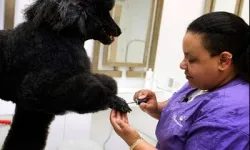
It’s not a coincidence that dogs dominate the pet travel scene. According to the U.S. Travel Association, they make up 78 percent of all animals vacationing with their owners. Cats? They’re rare. But when you find a resort that actually welcomes felines, you discover a different kind of luxury.
Cats don’t want adventure. They want validation. And the right hotels deliver it with an almost aggressive level of pampering.
The Cat-First Experience at High-End Resorts
Feline-friendly spas treat cats like royalty because, frankly, that’s what cats expect. The accommodations are specific. You aren’t just getting a room; you’re getting a suite equipped with litter boxes, scratching posts, custom pet beds, and dedicated food and water bowls.
Take the FireSky Resort and Spa in Scottsdale, Arizona. They go further than basic comfort. They offer in-room spa packages for both the cat and the owner. It’s a shared experience, but the cat is the star.
In New Orleans, the W Hotels provide catnip toys, massages, and even birthday cakes. It sounds excessive. It is. But for a cat who feels their ancestral due is being honored, it’s perfect.
Then there’s the Ritz-Carlton in New York. They offer “fashionable carry bags” for sightseeing excursions. Your cat doesn’t need to walk. They get to ride in style.
Dog Resorts: Activity and Structure
Dogs get a different deal. Their resorts are less about spa day and more about structured activity. The amenities are similar—room-service menus, fenced play areas, pet-sitting services—but the schedule is tighter.
At the Dog House Resort in Jefferson, North Carolina, guests canoe down the New River. Afterward, they relax in suites named after famous movie dogs. It’s thematic. It’s playful. It’s very dog.
San Ysidro Ranch in Montecito, California, offers 17 miles (over 27 kilometers) of trails through the ranch gardens. Both pets and people can hike them. Then, they conclude the tour with in-room massages.
It’s rigorous for the dog. Relaxing for the human.
Planning the Trip
The key is knowing what your pet actually wants.
Cats need containment. They need vertical space. They need to feel safe while being spoiled.
Dogs need movement. They need trails. They need to be part of the action.
If you’re planning a pet-included vacation, look for the specific amenities. Don’t just assume “pet-friendly” means “dog-friendly.” The experiences are worlds apart.
Cats want adoration. Dogs want adventure. Choose the right resort for the right animal.
The links on the next page help you plan a fabulous pet-included vacation. But the real choice is simpler. Know your pet. Then book the place that matches their personality.