Guatemala sits right in the middle of the Central American isthmus. It shares borders with Mexico to the north and northwest, Belize and the Caribbean Sea to the northeast, and Honduras and El Salvador to the southeast. To the west lies the Pacific Ocean.
The country covers about 108,890 square kilometers. Around 16 million people call this place home.
The capital city shares the country’s name: Guatemala City. It is the political, economic, and tourist hub. More than 2.5 million people live here. It is the most valuable center in the region.
If you are planning a trip to Guatemala, knowing what to see matters. Here is the first stop on your itinerary.
Why Lake Atitlan Should Be Your First Stop
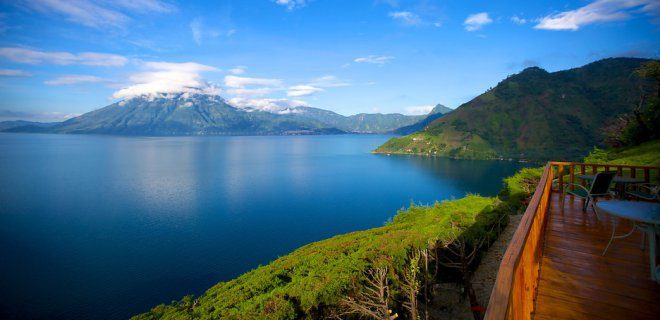
You cannot visit Guatemala without seeing Lake Atitlan. It is one of the most beautiful spots in Central America. The lake sits in a volcanic caldera. Three volcanoes surround the water.
The views are striking. The water is deep blue. The sky reflects perfectly on the surface. The air is cool and clean.
Tourists come here for the scenery. They come for the Maya villages. They come to escape the noise of the city.
You can reach the lake from Guatemala City. The drive takes about two and a half hours. Roads are winding. The journey itself offers views of coffee plantations and highlands.
Once you arrive, you have options. Boats are the main way to get around the lake. You can take a lancha to different towns. Each town has its own vibe.
San Pedro La Laguna is lively. It has many hostels and bars. Visitors like the energy here.
San Juan La Laguna is quieter. It is known for its art scene. You will find cooperatives selling textiles. The colors are bright. The patterns are traditional.
Santa Cruz La Laguna is the most remote. You reach it by boat. The village is small. It feels untouched by modern life. Trails lead up to viewpoints. The hike takes time. The reward is worth it.
Food is another reason to stay. Local cuisine is fresh. Try pechuga. It is a classic Guatemalan dish. It tastes like chicken. It is mild. It pairs well with beans and rice.
Coffee is grown in the highlands near the lake. You can visit plantations. Learn how the beans are processed. Taste the coffee straight from the source. It is better than anything you get at home.
Prices are low compared to North America or Europe. A meal costs little. A room is affordable. This makes it a budget-friendly destination.
You do not need much cash. Many places accept cards. But carry some local currency. Small vendors prefer cash.
The best time to visit is dry season. This runs from November to April. Rain is less frequent. Skies are clearer. You get better photos.
Crowds arrive in December and January. Book early if you travel then. Accommodation fills up fast.
Winter is peak season. Summer brings rain. The greenery is lush then. The water is clear year-round.
Lake Atitlan is not just a spot on a map. It is an experience. It slows you down. It forces you to notice details. The way
Atitlan: Guatemalanın Kalbi
Sierra Madre dağ silsilesinin göbeğinde, volkanik kökenli bu muazzam göl, Orta Amerika’nın en derin noktasıdır. 340 metrelik derinliği, suyun rengini ve derinliğini hissetmenizi sağlar. Yüzeyi 1.562 metre yükseklikte, yüzey alanı ise 130,1 kilometrekare. Dünyanın en güzel göllerinden biri olarak nitelendirilmesi tesadüf değil. Guatemalanın turizm ekonomisi burada döner. Yerel halk için ise sadece bir manzara değil, hayatta kalma aracı. Avokado ve kahve bahçeleri buradan sulanır. Soğan, fasulye, mısır, domates… Her şey bu sudan beslenir. Guatemalanın göz bebeği.
Tikal’a Geçiş: Junglun İçine Adım Adım
Atitlan’dan Tikal’a geçiş, sadece bir lojistik süreç değil, bir zaman makinesi yolculuğu. Guatemala’nın kuzeydoğusundaki Petén eyaletine doğru yol alıyorsunuz. Bu bölge, Maya medeniyetinin beşiği. Tikal, sadece harabeler değil. Ormanların içinde kaybolmuş bir başkent.
Araba ile ulaşım en yaygın yöntem. Guatemala City’den veya Flores’ten kiralayacağınız bir araçla 5-6 saatlik bir sürüş sizi oraya taşıyabilir. Ancak dikkatli olun. Yollar düzensiz. Araçlar çukurlara atlar. Güvenlik konusunda yerel sürücülerden yardım almak akıllıca. Alternatif olarak Flores’ten minibüslerle de gidilebilir ama esnekliğiniz kalmaz.
Tikal’e giriş ücreti yerliler için ucuz, turistler için biraz daha ağır. 2024 itibarıyla yabancılar için yaklaşık 200 Quetzal (GTQ) civarında bir bilet alırsınız. Bu bilet tek giriş içindir. Güneşin ilk ışıklarıyla giriş yapmak, ışık huzmelerinin tapınaklardan süzülüşünü yakalamak için şart.
Mayaların Başkenti: Tikal’de Kaybolmak
Tikal’in büyüklüğü sizi şaşırtır. 575 kilometrekarelik bir alan. İçerisinde 3.000’den fazla yapı var. En yüksek yapı, Templo IV. 70 metrelik bu piramide tırmanmak nefesinizi keser. Tepeden bakınca, sonsuz yeşil bir okyanus görürsünüz. İşte o an, tarih ve doğa iç içe geçer.
Temel yapılar:
– Gran Plaza: Merkezi meydan. Burada törenler yapılmış.
– El Tigre Piramidi: Devasa. Merdivenleri çıkmak zor ama manzara bedava.
– Tapınak I ve Tapınak IV: Kral I Yax K’uk’ Mo’nun mezarı burada.
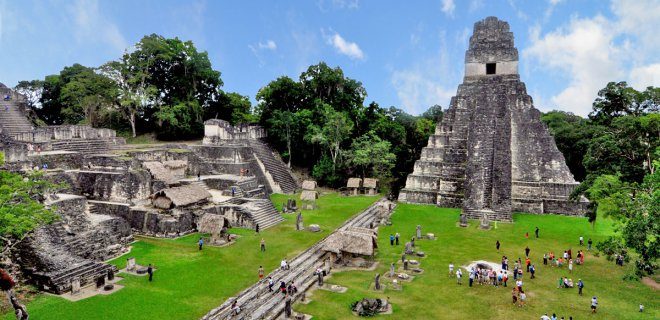
576 kilometrekarelik bir orman içinde gömülü devasa bir şehir hayal edin. Guatemala’nın Peten bölgesinin kuzeybatısında, bu coğrafyanın en turistik ve aynı zamanda en büyüleyici noktası Tikal. MÖ 900 ile MS 100 yılları arasında zirvesine ulaşan bu antik kent, Mayaların bıraktığı en geniş arkeolojik alan olarak kabul ediliyor. Sadece bir ziyaret noktası değil, tam bir zaman makinesi. Burası, sıradan bir harabe değil; onlarca piramit, saray ve tapınakla dolu, hiyerogliflerle bezeli canlı bir müze. Guatemala’daki rotanızda burayı es geçmek, tarihin en etkileyici sayfalarını okumayı reddetmekle eşdeğer.
Ulusal Saray ve Yönetimsel Merkez
Sitenin kalbinde yer alan Ulusal Saray, Tikal’ın siyasi ve idari hayatının merkezini oluşturuyor. Geniş platformlar üzerine inşa edilen bu yapı, Mayaların karmaşık yönetim yapısını ve sosyal hiyerarşisini gözler önüne seriyor. İçerisindeki salonlar, koridorlar ve oyma detaylar, o dönemin mühendislik ve sanatsal yeteneklerini gözlerinizle görmenizi sağlıyor. Burası sadece bir bina değil, bir devletin nasıl işlediğini anlamak için açılan pencere.
Ziyaretçiler için pratik olanlar:
- Zamanlama: Gün doğumu ve gün batımında ışık açıları en dramatik görüntüleri sunuyor. Erken saatlerde gitmek, kalabalıktan kaçmanızı ve heybetli piramitlerin sabah sisi içinde silüetlerini izlemenizi sağlar.
- Logistik: Site geniş. Yerel otobüsler (shuttles) ana noktalara ulaşıyor ama yürüyüş yapmak en iyi deneyim. Ayakkabınız rahat olsun.
- Ne Görmeli: Piramit IV (en yüksek yapı), Büyük Plaza’daki tapınaklar ve hiyeroglifler yazıtları.
Bu şehir, sadece taşlardan değil, insanlık tarihinden yapılmış. Her köşede bir hikaye, her basamakta bir sır var. Peki, tüm bu ihtişamı ayaklarınızın altında hissederken, zihninizde neler dönüyor? Ormanın sessizliği, binlerce yıl öncesinin gürültüsünü taşıyor sanki.
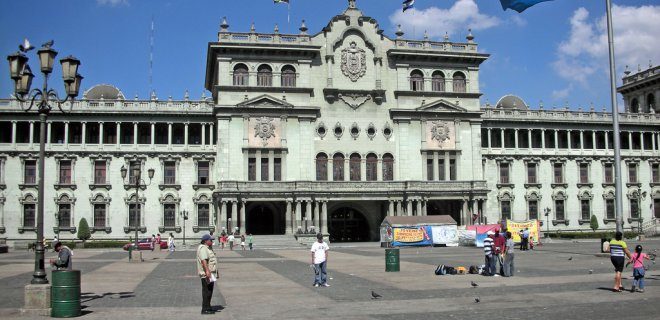
Guatemala’nın kalbinde, yerel halkın onu hep ‘Palacio Verde’ (Yeşil Saray) olarak tanıdığı bu görkemli yapı, ülkenin siyasi ve mimari simgesi haline gelmiş. Başkent Guatemala’daki en baskın siluet olan bu eser, ülkenin cumhurbaşkanlığı makamı olarak da hizmet veriyor. Peki, bu kadar özel yapan ne? Mimari detaylar, tarih ve gezginler için pratik bilgiler.
Mimar Rafael Perez de Leon’ın tasarladığı bu yapı, 1937 ile 1943 yılları arasında inşa edildi. İnşaat sürecinde İspanyol Barok ve Rönesans tarzları hakim oldu. Sonuçta, bugünkü haliyle göz alıcı bir kombinasyon ortaya çıktı. Eğer Guatemala seyahatinizde bu mimari harikayı görmez, fotoğraflamazsanız, kentten ayrılmayın derim. Çünkü Ulusal Saray, şehrin en önemli yapısı olmaya devam ediyor.
Guatemala Ulusal Sarayı’na Nasıl Gidilir ve Ne Zaman Ziyaret Edilir?
Başkent Guatemala’da ulusal saray gezisi yapmak isteyenler için en kolay yöntem, Plaza Central’den yürüyerek ulaşmaktır. Saray, plaza’nın kuzey ucunda yer alır. Ziyaret için herhangi bir giriş ücreti yoktur. Ancak iç mekana giriş genellikle sınırlıdır; genellikle dış cephe ve avlusu gezmek yeterlidir. En iyi zaman, sabah erken saatlerdir. Işık, cephede daha iyidir ve fotoğraf çekmek için daha uygun koşullar sunar.
Ulusal Saray’ın yeşil tonları, Guatemala bayrağındaki renkleri hatırlatır. Bu, ülkenin kimliğiyle doğrudan bağlantılıdır. İçeride, Guatemala’nın tarihi dönemlerini yansıtan freskler ve heykeller bulunur. Ancak turistlerin çoğu, dış mekanın grandiositesine hayran kalır.
Antigua Guatemala Katedrali: Barok Mirası
Antigua Guatemala Katedrali , Guatemala’nın eski başkenti Antigua’da yer alan ve şehrin en ikonik yapısıdır. Bu katedral, sadece bir din merkezi değil, aynı zamanda tarihsel bir belge niteliğindedir. 18. yüzyılda inşa edilen yapı, depremler nedeniyle kısmen yıkılmıştır. Günümüzdeki hali, restore edilmiş halidir.
Katedralin dış cephesi, barok tarzda süslenmiştir. İçerisi ise daha sade, ancak heybetlidir. Özellikle ana şapel, ziyaretçileri derinden etkiler. Antigua Guatemala katedrali gezisi yapmak için en iyi zaman, sabah erken saatlerdir. Işık, iç mekanın detaylarını daha iyi ortaya çıkarır.
Antigua Guatemala’da katedral gezisi, şehrin tarihsel dokusunu anlamak açısından önemlidir. Katedralin hemen yanında, Antigua Guatemala kalesi benzeri yapılar bulunur. Bu yapılar, şehrin savunma sistemini y
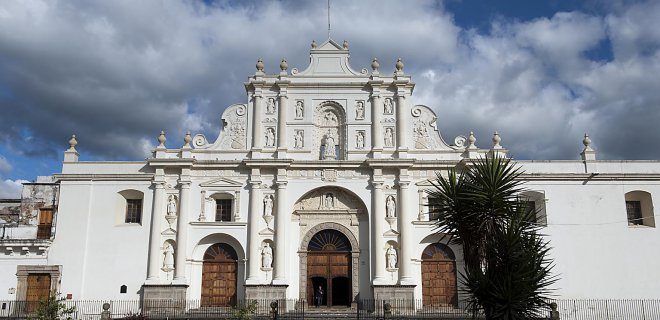
Guatemala’nın başkenti olarak bilinen Antigua Guatemala’daki Aziz Joseph Katedrali (Catedral de San José), şehirdeki en belirgin manevi yapılardan biri. Yapının tarihi aslında 1541’de, o dönemdeki inşaatla başlıyor. Ancak depremler sonucu bu ilk yapı tamamen yıkıldı. Günümüzde gördüğümüz katedral ise 1669’da yeniden inşa edilmeye başlandı. 1680’de kutsanan bina, o dönemlerde Orta Amerika’nın en büyük kiliselerinden biri olmuştu.
Bugün Roma Katolik kilisesi olarak hizmet veren katedral, ülkenin en önemli kutsal değerlerinden biri kabul ediliyor. Antigua Guatemala’yı gezerken mutlaka görmeniz gereken yerlerin başında geliyor.
Capuchin Kilisesi ve Manastırı
Katedralin hemen yanında, gezginlerin en çok ilgisini çeken yerlerden biri: Capuchin Kilisesi ve Manastırı. Bu yapı, Antigua Guatemala’nın dini mirasını anlamak için ayrı bir öneme sahip. Kilise, genellikle daha sakin bir atmosfer sunuyor. İçindeki detaylar ve mimari işçilik, ziyaretçileri etkiliyor.
Bu bölge, özellikle fotoğraf çekmek ve sakin bir yürüyüş yapmak için ideal. Kilisenin çevresi, Antigua’nın koloniyel mimarisini yansıtan dar sokaklarla çevrili. Buraya geldiğinizde, yerel halkın ibadet alışkanlıklarına da tanık olabilirsiniz.
Pratik Bilgiler ve Ziyaret İpuçları
Antigua Guatemala’daki bu tarihi yapıları ziyaret etmek için özel bir giriş ücreti genellikle talep edilmez. Ancak manastır veya katedral içi müze kısmına erişim farklı olabilir. En güncel bilgiler için yerel turistik noktalarda kontrol etmek faydalı.
Ziyaret için en uygun saatler, sabah erken saatler veya öğleden sonradır. Bu saatlerde kütüphane ve kiliselerin içi daha aydınlık ve sakin oluyor. Özellikle gün batımında, taş binaların üzerindeki ışık, Antigua’ya farklı bir hava katıyor.
Neden Görülmeli?
Bu yapılar, sadece dini birer mekan değil. Aynı zamanda Antigua’nın geçmişini, depremlerin yıkıcılığını ve tekrar inşasını anlatan somut kanıtlar. Her taşın altında, yüzyılların hikayesi yatıyor.
Capuchin Kilisesi ve Manastırı, katedral kadar ünlü olmasa da, şehrin ruhunu yakalamak için vazgeçilmez. Burada vakit geçirmek, Antigua’nın yavaş ve dingin temposuna uyum sağlar.
The Ruins of Santa Catalina: A Ghostly Classroom
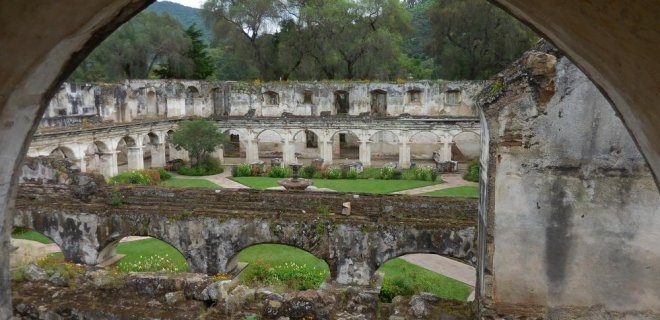
Deep in the heart of Antigua’s historic zone lies a site that feels less like a tourist stop and more like a frozen moment in time. The Convent of Santa Catalina isn’t just a building; it’s a vertical slice of 18th-century life, preserved in yellow limestone and shadow.
Construction began in the early 1730s, with the main complex taking shape between 1731 and 1736. It was designed by Diego de Porres, an architect whose work defines the Spanish Baroque style in Guatemala. If you are looking for one of the finest surviving examples of 18th-century religious architecture in the country, this is it. The facade is ornate, heavy with detail, and unmistakably colonial.
But the history here is layered with violence. The convent was severely damaged by earthquakes in 1751 and again in 1773. While other structures in Antigua were rebuilt or abandoned, Santa Catalina remained largely intact as a ruin for centuries, a testament to the seismic power of the region. For nearly two hundred years, it sat in silence.
Then, in the late 20th century, it was revived. Not as a museum, but as a school. The Convent of Santa Catalina is now a private girls’ school. This is the key detail most guidebooks miss: you are entering a functioning educational institution, not just an archaeological site. The walls were not restored to their former glory for tourists; they were stabilized to protect the students inside.
Visiting the convent is surprisingly accessible. The entrance is on Calle Santa Lucia, right off the main drag. There is a small fee, and the visit usually involves a guided tour led by one of the nuns or staff members. They walk you through the cloisters, the chapel, and the refectory. The atmosphere is quiet. You can hear footsteps echoing on the stone floors. Sunlight filters through high windows, illuminating dust motes and centuries of wear.
The architecture is striking. The yellow stone glows in the afternoon light. The vaulted ceilings are high, creating a sense of volume that contrasts with the narrow corridors. You’ll see remnants of frescoes, peeling paint, and architectural details that speak to the wealth and power of the church in the 1700s. But you’ll also see the cracks. The earthquake damage is visible. It’s a reminder of the fragility of stone and the persistence of faith.
Why visit? Because it offers a perspective on Antigua that the churches and cobblestone streets don’t. It’s intimate. It’s residential. It’s alive. You aren’t just looking at history; you’re walking through it. The nuns and students still use the spaces daily. The chapel is still used for mass. The cloisters are still used for contemplation.
Be mindful of the rules. Photography is often restricted inside the chapel and classrooms. Dress modestly. Keep your voice down. This is a place of work and worship, not just sightseeing. The tour usually takes about an hour. It’s short, but it’s enough to leave an impression.
The contrast between the grandeur of the 18th-century design and the quiet reality of the school is jarring. In a good way.
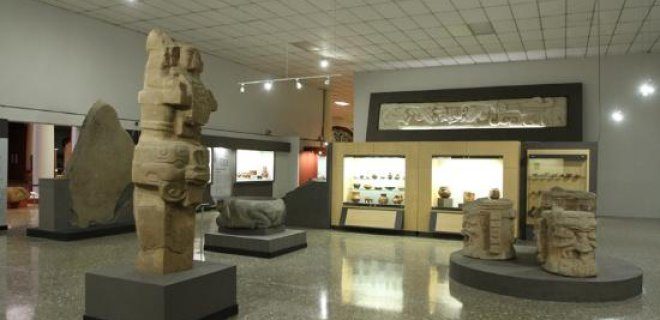
The Oldest Maya Capital
If you think Tikal is the only show in town, you are missing the oldest known capital of the Maya world. Santa Maria isn’t a single ruin you can wander through in an afternoon. It’s a sprawling archaeological site located near the border with Mexico, roughly 300 kilometers northwest of Guatemala City. Getting there requires effort. You’ll need a 4×4, or a guided tour that handles the rugged dirt roads leading into the Petén region.
The site itself is less about towering pyramids and more about architectural complexity. It was occupied from the Preclassic period all the way through the Classic era, making it a crucial piece of the puzzle. Archaeologists have uncovered palaces, ball courts, and residential structures that reveal how elite Maya society functioned long before the high-profile cities rose to prominence.
“Santa Maria provides a window into the early political structures of the Maya, showing how power was organized in the Preclassic period.”
Why go? Because the crowds are thin. Unlike Tikal or Tikal’s neighbor El Mirador, which require permits and often feel like tourist traps, Santa Maria offers a raw, quiet experience. You’ll share the site with few other visitors. The jungle here is dense, hot, and humid. Bring water. Bring insect repellent. And hire a local guide; the stones blend into the foliage if you don’t know where to look.
Logistics and What to Bring
Reaching Santa Maria means leaving the highway. Most tours depart from Flores or Santa Elena. The journey takes about three to four hours each way. Roads wash out during the rainy season (June to October), so timing matters. Dry season travel is safer, but hotter.
Expect to pay between $50 and $100 USD for a half-day or full-day tour, including transport and guide. Entrance fees are minimal, often included in the tour price. Cash is king. Cell service is non-existent. This is a feature, not a bug.
What’s visible? You’ll see stucco masks, carved lintels, and the foundations of large plazas. The site is open-air. There is no shade. The sun hits hard. Start early. Finish before noon. Heat exhaustion is real.
Beyond the Ruins
The surrounding area is home to the Sak Tz’i people, who have maintained cultural continuity despite centuries of colonization. Visiting the site isn’t just about looking at stones. It’s about understanding the layers of history beneath your feet. The Maya didn’t disappear. They persist. Their language, their textiles, their cosmology survive in modern communities nearby.
Some tour operators offer homestays or community-based tourism options. This adds cost, but it supports local livelihoods directly. It also provides context you won’t get from a plaque. Listen to the stories. Ask questions. The landscape tells a different story than the ruins do.
Santa Maria is not easy. It is remote. It is demanding. But for those willing to make the trip, it offers something rare: space to think, to see, to understand. The jungle reclaims quickly here. What you see today might be buried tomorrow. That urgency is part of the attraction.
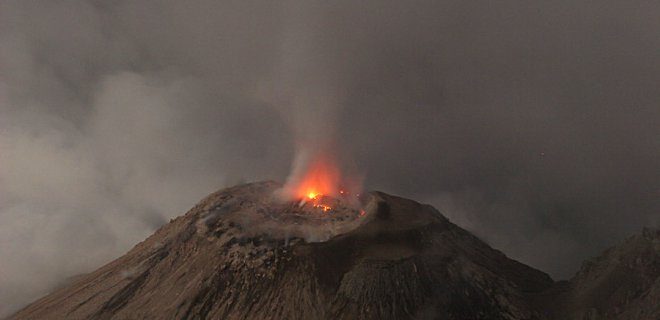
Santa María: The Sleeping Giant
Rising 3,772 meters above the Sierra Madre de Chiapas range, Volcán Santa María is an active stratovolcano that dominates the western Guatemalan sky. It sits just outside Quetzaltenango, the country’s second-largest city, making it a looming presence for anyone wandering the colonial streets below. The mountain last erupted in 2006. Before that, it held its breath for decades.
The 1902 explosion changed the landscape forever. It was one of the most significant volcanic events of the 20th century, shaking the region and altering the volcano’s profile. Today, it ranks among Guatemala’s most famous natural wonders. Travelers visit not just for the history, but for the sheer scale of the crater and the stark, lunar-like terrain that surrounds the summit. It is a place where the earth’s power feels immediate.
Pacaya
If Santa María is the historic giant, Pacaya is the accessible neighbor. Located on the Pacific coast, about 40 minutes from Antigua, it is Guatemala’s most frequently active volcano. The name comes from the Maya word bakayal, meaning “fire.” It fits.
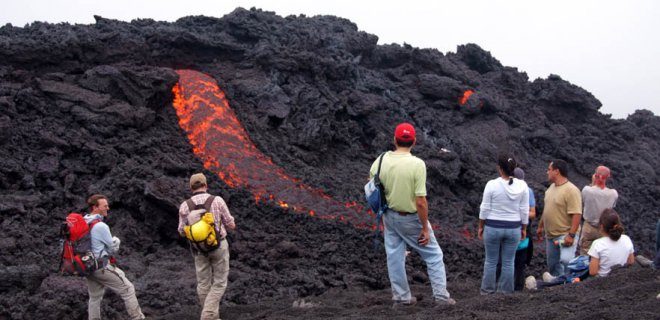
You can reach the summit via a short, rugged hike up a cone of fresh lava rocks. The trail starts at the base and winds upward through blackened ash fields. Guides are mandatory—a requirement for safety and local economic support. The hike takes about an hour. It is steep in patches. The air smells of sulfur.
At the top, the view is striking. You look out over the Pacific Ocean and the surrounding volcanic peaks. But the main event is the fire. Depending on activity levels, you might see lava flowing in the crater or just glowing embers. It is often possible to roast marshmallows over the volcanic vents. The experience is raw. It is not a manicured park. It is a working volcano.
Logistics for Pacaya:
– Location: Just south of Antigua.
– Cost: Entry fees are modest, but guided tours add cost.
– Timing: Best visited in the dry season (November to April) to avoid mud.
– What to bring: Sturdy boots, water, and a headlamp if you stay for sunset.
Why choose Pacaya over higher peaks? It requires no technical skills. You can do it in an afternoon. It offers a taste of volcanic activity without the multi-day commitment. However, it can get crowded. Tour buses dump visitors at the trailhead by mid-morning. Go early.
The lava flows are still warm in places. The ground trembles slightly underfoot. It is a reminder that the ground here is not stable. It is alive.
Escaping the Shadows of Volcán de Fuego
Guatemala’s Volcán de Fuego isn’t just another hike on the bucket list. It’s an active monster that has been breathing fire for millennia. The last major eruption back in 23,000 BC. Since the Spanish arrived, it has blown its top 23 times. That is frequent enough to keep locals and visitors on edge.
It stands 2,552 meters tall. You’ll find it southwest of Guatemala City, looming over the colonial town of Antigua. For anyone asking “which volcano to visit near Antigua,” this is the one. It’s part of the Pacific volcanic chain that cuts across Central America.
But here is the catch. The last explosion happened in June 2015. It was violent. Ash clouds choked the region. Infrastructure took a hit. Tourism dipped. But now? It’s back open for business. Just… with respect.
Why go? Because the views are brutal in the best way. You see Antigua’s white-washed churches and red tiles spread out below. The contrast between the serene town and the smoking peak above is stark. It’s a reminder that nature doesn’t care about your itinerary.
Planning the Trek Safely
You don’t just walk up. You hire a guide. Local operators run trips from Antigua. Costs range from $20 to $40 USD depending on the group size and services. Bring water. Plenty of it. And sturdy boots. The trail is volcanic rock. Loose. Sharp.
When should you go? The dry season, roughly November to April. Rain turns the ash to mud. Slipping is dangerous. Morning hikes are popular. You beat the heat. But you also risk the ash drift. Wind direction matters. Check local alerts. The INETER (Instituto Nacional de Sismología, Vulcanología, Meteorología e Hidrología) in neighboring countries monitors these things closely, but always check Guatemalan authorities like CONRED.
Is it worth the risk? Many say yes. The summit offers a 360-degree view. On clear days, you can see the Pacific Ocean. Or at least the haze where it meets the sky. It’s not just about the climb. It’s about standing at the edge of something powerful.
What to Expect on the Ground
The climb takes about two hours. Steep. Unforgiving. But manageable for anyone with basic fitness. You’ll pass through different zones. Some areas are barren. Others have scrubby vegetation clinging to life. The air smells like sulfur near the vents. Sharp. Pungent.
At the top, it’s quiet. Except for the rumble. The ground vibrates slightly. You can feel the pressure below. It’s humbling. And slightly terrifying.
Don’t forget your camera. The lighting changes fast. Clouds roll in quickly. One minute you’re in sun. The next, you’re in fog. Capture it while you can.
Is it safe? Generally, yes. But conditions change. Always listen to your guide. If they say stop, you stop. No arguments. This isn’t a time for heroics. Volcán de Fuego doesn’t forgive mistakes.
For travelers looking for active volcanoes to hike in Central America, this is a top contender. Combine it with