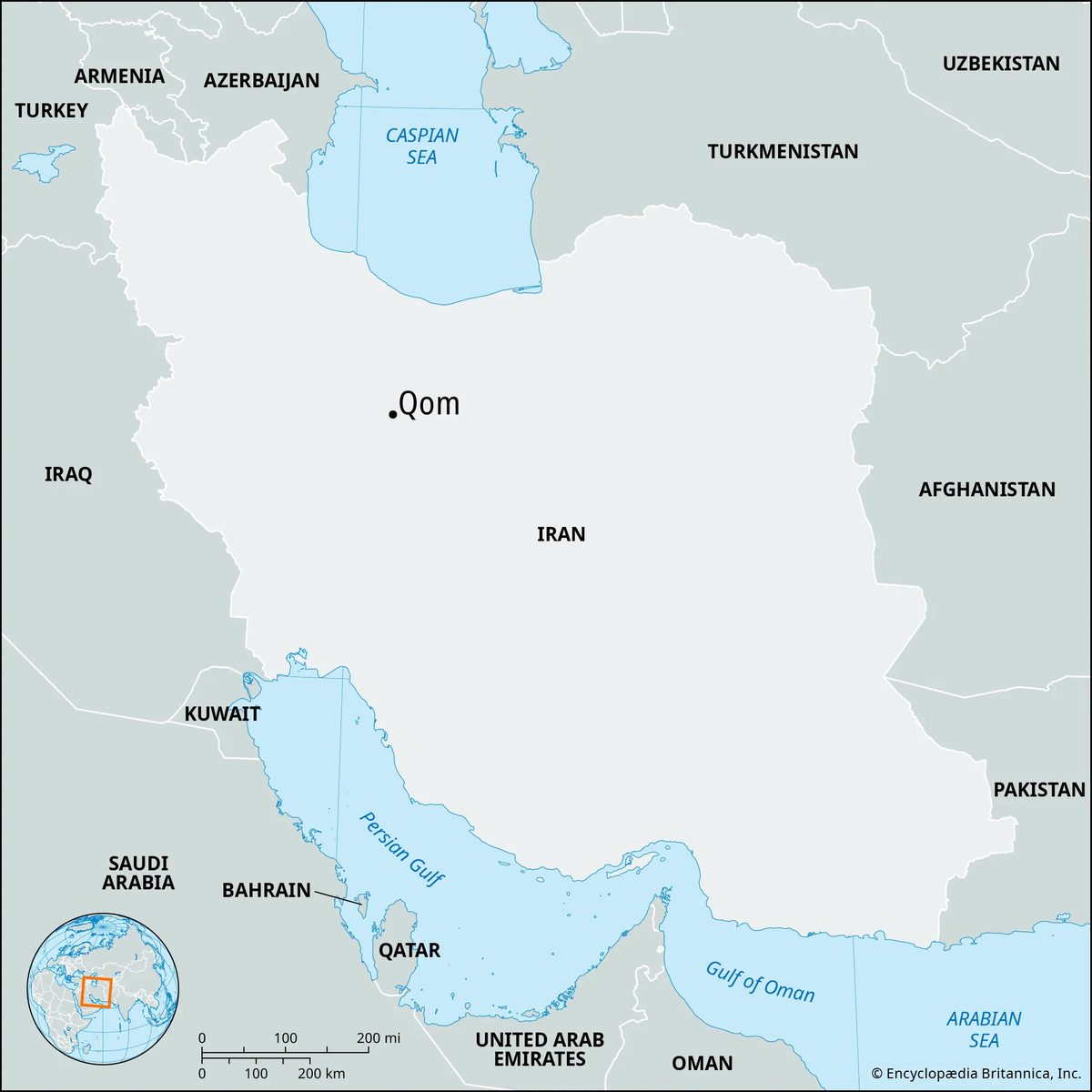
Qom sits on the edge of the Dasht-e Kavir salt desert. It is 92 miles south of Tehran. The city straddles the Rūd-e Qom river. It is dry here. Hot. The air feels heavy with history and industry mixed together.
For many visitors, Qom is a stopover. A place to refuel on the road to Yazd or Kashan. But you should stay. The city has a gravity to it. A pull that has held for centuries.
The Golden Shrine and Shi’a History
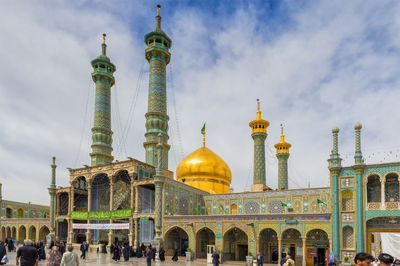
The heart of the city is religious. In 816 AD, Fatimah, the sister of Imam Ali al-Rida, died in Qom. Her tomb became a focal point. The city grew around it. By the 17th century, the Safavid rulers built a shrine over the grave. It has a golden dome. It shines in the desert sun.
Today, it is one of the most important pilgrimage sites in Iran. You will see pilgrims from across the Middle East. They come to pray. To seek blessings. To walk the marble floors of the shrine. The atmosphere is intense. Devotional. Loud with prayer, then quiet again.
If you are traveling in Iran, understanding Qom Iran pilgrimage routes is key. The shrine is the anchor. Everything else in the city orbits this holy site.
Why Qom Matters Beyond Religion
Qom is not just a religious center. It is an industrial hub. The proximity to Tehran helps. So do the oil fields. In 1956, oil was discovered at Sarajeh nearby. A large refinery was built between Qom and Tehran.
Petroleum products flow through the city. Natural gas pipelines from Bandar-e Anzali and crude oil from Tehran run through here to the Abadan refinery on the Persian Gulf. Qom distributes these resources. It is a logistical node.
This industry brought wealth. And people. Rural populations moved to Qom. The city grew fast. You can see the growth in the concrete. In the new factories. In the noise of traffic.
Industrial Growth and Infrastructure
Qom has a madrasah. The largest in Iran. Students come here to study Islamic law. Philosophy. Theology. Logic. It is a center of learning. A place where the country’s religious leaders are trained.
The city’s economy diversified. Textiles. Petrochemicals. Cement. Brick-making. All these industries operate here. Dams were built on the upper reaches of the Rūd-e Qom in the 1970s. They control water. They support agriculture.
The surrounding area is productive. Farmers grow wheat. Barley. Oilseeds. Vegetables. Fruits. Cotton. The land is dry, but it yields.
History Buried in Stone
Qom holds more than just the shrine. Some 10 kings are buried here. And 400 Islamic saints. The history is layered. Deep.
Shah Abbas II is interred in a special mausoleum. It is richly adorned. Fourteen fine silk rugs hang inside. They are dated 1666. They are fragile. Beautiful. A testament to the wealth of the Safavid era.
On the southern side of the city, there is a group of five mausoleums. Most are from the 14th century. They have remarkable polychrome stucco ornaments. The colors have faded slightly. But the patterns remain. Intricate. Geometric. Islamic art at its finest.
Logistics: Getting There and Around
Qom is well-connected. It is on the Trans-Iranian Railway. Trains run through the city. You can arrive by train from Tehran. Or by road.
Roads connect Qom to Tehran. To Arak. To Kashan. To Saveh. To Yazd. If you are driving, the route is clear. The distances are