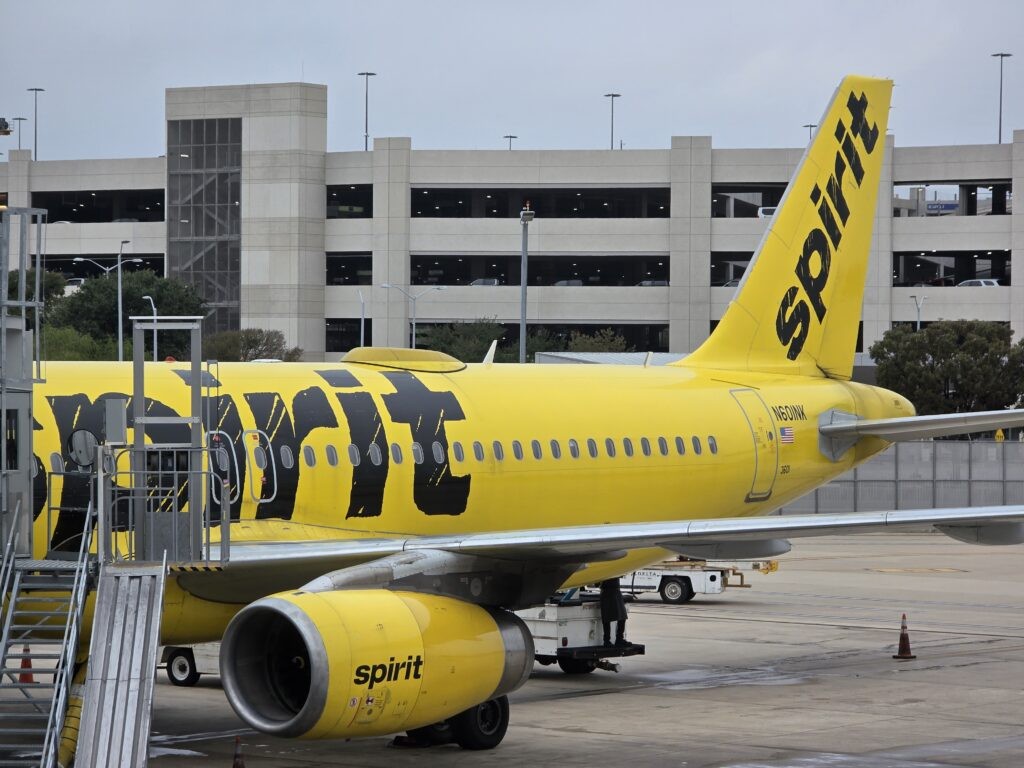
Spirit Airlines is facing significant pushback from the U.S. bankruptcy trustee as the carrier attempts to navigate its second Chapter 11 reorganization. The trustee is currently urging the court to delay Spirit’s emergence from bankruptcy, arguing that the airline has failed to provide sufficient transparency and justification for its proposed restructuring plan.
The Core Dispute: Lack of Transparency
The primary tension lies not in the legality of the plan itself, but in the adequacy of the information provided to creditors. The U.S. Trustee has raised several critical concerns regarding Spirit’s disclosure statement:
- Failure to explain past failures: Spirit emerged from its previous bankruptcy on March 12, 2025, only to file for Chapter 11 again within six months. The trustee argues that Spirit has not adequately explained why the first restructuring failed so quickly or what has changed to ensure this second attempt succeeds.
- Lack of alternatives: The airline has not sufficiently demonstrated why its current plan is superior to other options, such as a total liquidation of assets or a merger (notably the previously discussed deal with Frontier Airlines).
- The “Value” Question: Because the proposed plan involves wiping out all existing shareholders and unsecured creditors, the trustee insists that Spirit must prove why this path maximizes value better than simply selling off the company’s parts and distributing the proceeds.
A Precarious Financial Position
The legal battle comes at a time when Spirit’s fundamental business model is under extreme pressure. Analysts point to a “perfect storm” of rising costs and dwindling resources that threaten the airline’s viability.
The Fuel Factor
According to JP Morgan analyst Jamie Baker, Spirit is particularly vulnerable to fluctuations in energy markets. If jet fuel prices remain at approximately $4.60 per gallon for the remainder of the year, Spirit’s operating margins could plummet from a negative 7% to a staggering negative 20%. This would represent an additional $360 million in fuel expenses.
Dwindling Liquidity
Spirit’s financial buffer is thinning rapidly. With a year-end cash balance of only $337 million, the airline has very little room for error. Even if Spirit manages to raise more capital by selling aircraft and gates, a reorganization plan is difficult to sustain if the company is operating with massive negative margins and a shrinking cash pile.
The Proposed Reorganization Plan
To stabilize, Spirit is proposing a significant downsizing of its operations. Key elements of the plan include:
- Fleet Reduction: Scaling down to a much smaller fleet of just 76 to 80 aircraft by the third quarter.
- Equity Shift: New equity will be allocated to “roll-up” DIP (Debtor-in-Possession) lenders, while existing equity and general unsecured claims will receive nothing.
Looking Ahead
The trustee is not currently asking the court to reject the plan on its merits, but rather to deny the disclosure statement. This is a procedural move that prevents Spirit from beginning the process of soliciting votes from creditors.
While Spirit is expected to address these objections to keep its timeline—aiming for a May 27 confirmation and an early summer emergence—the underlying risks remain. If the economic environment worsens or fuel prices spike, creditors may find even more reason to fight the plan.
Conclusion: Spirit Airlines is attempting to “shrink to success,” but the company must first prove to its creditors and the court that this second attempt at restructuring is fundamentally different—and more sustainable—than its recent failure.