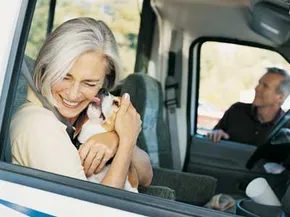
If you own a pet, you know the dread. You’re packing for a beach getaway, a trip to visit family, or just a long weekend away, and the question looms: who watches the dog? For some, dropping a pet off is an afterthought. For others, it’s a full-blown anxiety attack. The reality is that pets react differently. Some treat boarding like a resort; others hide under the bed and starve themselves out of spite.
The goal isn’t to force a square peg into a round hole. It’s to find a setup that keeps your heart rate down and your pet’s stress levels low. Preparation matters. Teach your pet basic commands. Get them used to other animals. If they are comfortable with people outside the home, they will handle a facility better. Remember, 30 million pets in the US and Canada are boarded every year. Your pet isn’t breaking new ground. You just need to pick the right place.
Kennels vs. In-Home Care: Which Fits Your Pet?
The landscape of pet care has shifted. It’s no longer just about a concrete run and a metal gate. You have options.
Traditional Kennels
These are the old-school spots. You drop your dog off, they get a cage, food, and walks. It’s efficient. It’s cheap. But it’s also sterile. If your pet is anxious or social, a kennel might feel like a prison. Look for facilities that offer “luxury” boarding or boutique hotels if cost isn’t the primary driver. These places often have staff who sleep on-site and monitor pets 24/7.
In-Home Boarding
This is where a host takes your pet into their own home. Think of it as a stay with a friend, but a vetted one. It’s less clinical. Your pet gets a couch, a bed, and one-on-one attention. It’s ideal for pets who hate cages or senior dogs who need extra care. The downside? You’re relying on one person’s schedule and reliability. Check reviews. Ask for references.
Pet Sitting in Your Home
Keep the pet in their own territory. A sitter comes to your house to feed, walk, and play. This minimizes stress for the pet but requires you to secure your home and trust someone with your keys. It’s often more expensive than boarding but worth it for anxious pets.
What to Look for in a Quality Facility
Not all boarders are created equal. Some are loving caregivers. Others are just watching animals until the rent is due. Here is how to separate the pros from the amateurs.
1. Cleanliness and Safety
Walk the floor. Does it smell like ammonia? Are the enclosures secure? Can a dog slip out? If the facility is dirty or poorly maintained, run. Your pet’s health depends on a clean environment.
2. Staff-to-Pet Ratio
How many dogs is one person watching? If one staff member is juggling fifty animals, your pet will be neglected. Look for a low ratio. Ask what happens if a dog gets sick or injured. Who responds? When?
3. Vaccination Requirements
Any reputable facility will require proof of vaccinations. Rabies, distemper, bordetella (kennel

The old image of pet boarding is still out there. You picture rows of steel cages, the smell of bleach, and a dog shaking in the corner. But if you haven’t dropped your furry friend off in years, you’d barely recognize the industry today. It’s shifted. A lot.
Sure, some places still offer those traditional kennels. And sure, you can often pay extra for a small outdoor run. But the trend is moving away from isolation. Why? Because owners want their pets to be happy, not just housed.
If your dog is crate-trained, a private space might feel like a safe den. It’s a den they know. But for the dog that hates the crate? It’s prison. And the modern boarding industry knows that stress is the enemy. So, many facilities have pivoted to communal living.
The Communal Room Reality
Imagine a large, open room. No bars. No cages. Just dogs running, sniffing, and playing. It sounds like paradise for a social animal. But it’s not without risk.
This model only works if the staff actually knows what they’re doing. You need someone who can read a room—literally.
Cats are manageable. If the room is big, clean, and stocked with enough litter boxes, altered cats will often coexist peacefully. They have their own territory. They have their own rules.
Dogs are different.
A skilled handler can sort dogs by size, age, and temperament. They spot the alpha before the alpha spots you. They separate the aggressive from the submissive. But an inexperienced handler? They might only see the aggression after a fight almost happens.
That leaves the nervous dog in the pack. The one who just wants to nap. The one who gets bullied into submission. No blood is spilled, usually. But the stress? That accumulates. Your dog comes home exhausted, not relaxed.
How to Spot a Bad Fit
Don’t just take the brochure’s word for it. Go see the place. Walk the floor.
Watch the animals. Are they bouncing off the walls? Or are they tucked away, shaking?
Look for these red flags in dogs:
– Refusing to eat (even treats)
– Constant scratching or pacing
– Avoiding eye contact with humans or other dogs
– Low growls or bared teeth
Cats are quieter, but their stress signals are distinct:
– Spraying urine (a clear sign of anxiety)
– Excessive meowing
– Pulling at their own fur
– Hiding in corners, unreachable
If you see these signs, leave. Immediately.
The Vet Clinic Option
Another route is leaving your pet with your veterinarian. Many clinics offer boarding. It’s convenient. You’re already there for appointments.
But remember this: for most vets, boarding is a side hustle. It’s not their primary revenue stream. That means their facilities might not be state-of-the-art. Your pet might be crated all day, let out only for brief, supervised walks.
There are exceptions. Some vet offices have huge boarding divisions. They have luxury suites and full-time staff. But you have to ask. Check the facilities. See if they have dedicated boarding spaces or if it’s just a corner of the exam room.
However, if your pet has a chronic health issue? This might be the way to go.
A standard boarding facility can handle an emergency. They’ll call you. They’ll call the vet. But at the vet’s office, the medical team is already on-site. If your senior dog has heart trouble, or your cat needs insulin twice a day, the vet clinic offers a layer of security that a kennel just can’t match.
The Case for In-Home Pet Sitting
Not everyone wants to send their pet away. Some owners hire pet sitters.
The sitter comes to your house. They feed the dog. They walk the cat. They scoop the litter. They might even water your ferns or collect the mail.
The benefit is obvious: no change in environment. No strange smells. No new faces to figure out. Your pet stays in their territory.
The downside? Supervision.
A pet sitter might be there for thirty minutes in the morning and thirty in the evening. The rest of the day, your pet is alone.
Boarding facilities offer 24/7 supervision. If something goes wrong, someone is there. Instantly.
So, which is better?
It depends on your pet. It depends on your budget. It depends on your trust.
Some dogs thrive in the chaos of a communal room. Some dogs hide under the bed for three days. Some cats need the quiet of a crate. Some dogs need to run with a pack.
There is no single correct answer. Only the one that works for your animal.
Why Your Dog Needs a Kennel-Free Stay
The shift away from traditional kennels isn’t just about luxury. It’s about behavioral health.
A kennel-free stay reduces anxiety. It allows for natural socialization. It lets the animal express its true personality. For a dog that spends its days alone with you, being locked in a box for a week can be traumatic.
Choosing a facility that prioritizes open spaces and social interaction is often the kinder choice. But you have to vet them. Hard.
Look at the staff. Look at the dogs. Look at the stress levels.
If the dogs look happy, you’re in good hands. If they look scared

Getting your pet settled in isn’t just about dropping them off and hoping for the best. The outcome depends on a messy mix of their personality, their routine, and the specific environment of the facility. Some dogs are basically hotel junkies. They thrive on the new smells, the other dogs, and the break from their usual chores. Others shut down. They stop eating. They stare at the door.
Cats are a different beast entirely. They are notoriously bad at change. The idea of being ripped from their territory and stuffed into a cage usually triggers immediate misery. Yet, paradoxically, they are often more resilient when it comes to survival. A dog might starve itself out of protest. A cat? It might sulk, pace, and meow, but it will likely still find the water bowl. They rarely let pride keep them from staying hydrated.
Why Your Pet Actually Hates the Kennel
It is easy to romanticize the situation. You assume Fido is heartbroken because he misses you. And maybe he does. But often, the issue is much more mundane. It’s logistics.
Think about your dog’s daily life. If he’s used to three miles of jogging every evening, a twenty-minute romp in a small run won’t cut it after day two. He’s not sad; he’s coiled tight. He’s bored and frustrated.
Then there’s the diet. You might think he’s refusing food because of grief. In reality, he’s used to the rich, salty comfort of table scraps. The sterile, bland kibble served at the facility tastes like cardboard. He isn’t depressed. He’s picky.
To prevent this, you have to do the math before you leave. Track how much exercise your pet gets on a normal Tuesday. Then ask the boarding facility exactly what their protocol is. If the gap is wide, pay for the extra walks. Do not assume the included time is enough for a high-energy breed. You are paying for peace of mind, and peace of mind requires burned energy.
The Food and Toy Strategy
Preparation starts with training. Long before you leave, stop feeding them table scraps. Switch to standard pet treats. You need to rewire their palate so they don’t associate dinner with human garbage. If they can eat their regular food without asking for something better, you’ve solved half the problem.
Bring a bag of those same treats to the facility. Consistency is key. It signals to the pet that this food is acceptable.
Toys and beds are trickier. If the facility uses private, separated runs, send the familiar blanket or the worn-out tennis ball. Familiar scents lower cortisol levels. They create a small pocket of safety in a strange place.
But if the boarding situation involves communal areas where dogs or cats mix freely, leave the personal items at home. A dog’s favorite toy in a group setting is a conflict magnet. You have a possessive animal, and you have other animals who want it. The result is stress. Aggression. You don’t want to deal with that. In communal spaces, everything is public domain. You can still offer treats, but know that your pet’s “special” stuff will likely be shared or confiscated by the crowd.
Health Concerns When Boarding Your Pet
Anxiety is not just a mood; it’s a physiological state. But how do you know when “unhappy” crosses the line into dangerous?
Normal stress looks like whining, pacing, or refusing a meal for the first few hours. That’s adjustment. It usually passes.
Extreme anxiety is different. It manifests in physical degradation and behavioral breaks.
For dogs, watch for:
– Complete refusal to follow basic commands they know well.
– Lethargy that tips into collapse.
– Hyperactivity that borders on panic.
– Biting, growling, or snapping at staff or other animals.
For cats, the signs are more subtle but equally alarming:
– Total refusal to eat or drink for more than 24 hours.
– Constant, high-pitched meowing.
– Hiding in a corner so deep they are unreachable.
– Pacing until exhaustion.
Exercise is the first line of defense. A tired animal is a calm animal. If you suspect your pet is spiraling, ask for an additional walk or play session. Movement burns off the adrenaline.
If exercise fails, you have to look at medical intervention. Prescription anti-anxiety medications like clomipeamine or trazodone can help. But you cannot just buy these over the counter or guess the dosage. This requires a conversation with your veterinarian
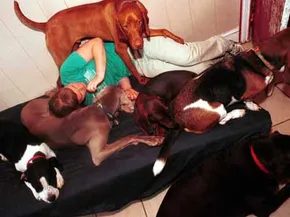
When you leave your pet with strangers, you are gambling with their immune system. It isn’t just about comfort. It’s about biology. Before you hand over the keys, you need to treat the boarding facility like a public health hazard zone. Most owners skip the parasite checks because nobody asks for proof. That’s a mistake. You should be concerned about every potential contact your pet has with other animals. If they aren’t up-to-date on basic preventative care, they aren’t just risking their health—they’re bringing home a vector for disease.
Vaccinations Are Non-Negotiable
Your veterinarian has a schedule for a reason. Make sure your dog’s vaccinations are current. But don’t stop at the basics. Heartworm prevention is standard. Flea and tick control is standard. Yet, most boarding facilities do not check for the latter two. They care about the shots. They don’t care if your dog is a flea magnet.
If your pet isn’t protected against parasites, they will pick up fleas, ticks, or other biological baggage during their stay. Then they bring it home. Now your house is infested. Now you’re dealing with an infestation that could have been avoided with a single tube of topical treatment or a monthly pill.
Timing Matters More Than You Think
If your pet is due for shots, do not wait until the last minute. Schedule the inoculations several weeks before your trip. Why? Because immunity takes time to build. You don’t want to board your dog while their immune system is in a temporary lull, adjusting to the new antigens. That is the perfect window for an infection to take hold.
Be specific about what your pet needs. Dogs should be immunized against:
– Rabies
– Distemper
– Hepatitis
– Leptospirosis
– Parainfluenza
– Parvovirus
– Bordetella (Kennel Cough)
Cats have a slightly different profile. They need protection against:
– Rabies
– Distemper
– Feline rhinotracheitis
– Calici virus
– Pneumonitis
These aren’t suggestions. They are the minimum viable protection for a social animal.
The Herd Immunity Problem
Vaccinations are not 100% effective. No doctor will promise you that. The best defense is not just your pet’s shield—it’s the health of the other animals in the room. Ask the facility directly: Do you require proof of vaccinations for every animal that checks in? Which vaccines are mandatory?
If they say “no,” or “we just ask,” walk away. You are paying for care, but you are also accepting liability for the environment your pet lives in. If the other dogs are unvaccinated, your pet is exposed. Period. The chain of infection breaks only if everyone in the loop is protected.
The Reality of Kennel Cough
Bordetella is the most common airborne threat in boarding facilities. It is an upper respiratory infection. It is highly contagious. It spreads like wildfire in close quarters.
The symptoms start small. A dry, hacking cough. A watery discharge from the nose. It looks like a mild cold. But it can escalate fast. In severe cases, the dog becomes lethargic. They refuse food. A fever spikes. Pneumonia sets in.
Young dogs and elderly dogs are at the highest risk. Those with compromised immune systems can actually die from it. It’s not a joke. It’s a bacterial infection that thrives in stress-filled, crowded environments.
The Long Tail of Infection
Here is the part most owners miss. Kennel cough symptoms typically appear between two to 14 days after exposure. The illness itself lasts around 10 days. But the danger doesn’t end when the dog seems better.
A dog can shed the bacteria for six to 14 weeks after symptoms disappear. They look healthy. They act healthy. But they are still contagious. This is why the disease spreads so rapidly in facilities. One “
The Phone Screen: Questions That Actually Matter
You can filter the noise over the phone, but you cannot fake a physical inspection. Before you even think about booking, you need to verify the facility’s standards. Start with credentials. Is the boarding kennel a member of the American Boarding Kennel Association (ABKA)? This trade group enforces a code of ethics and encourages voluntary inspections. Membership suggests they care about professional benchmarks. It is not a legal requirement, but it is a strong signal of intent.
Then, ask about the edge cases. Pets get sick. They get anxious. What is the protocol? You need to know if they have on-call veterinary support or if they simply isolate the animal and hope for the best. If your dog requires medication or a specific diet, get it in writing. Assurances are not contracts. If you are boarding multiple animals and want them together, ask if the facility allows group housing. You might save money, but you also need to ensure their temperaments actually mesh. Do not assume compatibility based on owner optimism.
Logistics matter too. What are the drop-off and pick-up windows? Miss the window, and you could be billed for an extra night. Ask about exercise routines. If the dogs are indoors, how much outdoor time do they get daily? What happens when it rains or snows? A facility that has no indoor contingency plan for bad weather is a red flag. You are paying for care, not just a locked door.
The Site Visit: Look, Don’t Just Listen
Shortlisting is easy. Visiting is where the truth comes out. Reputable operators will welcome you with open arms. They should have no issue with a pre-booking tour. In fact, refusal to allow a visit is an immediate disqualifier.
Walk the floor. Ignore the polished front desk. Look at the pens. Are they clean? Really clean? Not just surface-level. Check the ventilation. Stale air breeds respiratory issues. Check the lighting. Dark, cramped cages induce stress. The temperature should be comfortable for a human, which usually means it is comfortable for a dog or cat.
Watch the staff. Do they know the animals by name? Do they speak softly? Affection is not a buzzword here; it is a job requirement. If the staff treats the animals with indifference, the animals will feel it. For cats, ensure there is ample space to move between food stations and litter boxes. Concrete floors are easy to sanitize, which is good for hygiene. But animals need somewhere soft to lie down. Hard surfaces lead to pressure sores and discomfort. If you see concrete with no bedding, walk away.
The Paper Trail: Check Before You Pay
Before you hand over your credit card, do the homework. Call your state’s Better Business Bureau. Ask if the kennel has any on file. A clean report is a green light. A history of unresolved complaints is a warning sign. This step takes ten minutes. It could save you hundreds of dollars and a lot of heartache.
Understanding the Real Cost of Boarding
So, you have found the place. Now, how much is it going to cost? Prices vary wildly depending on where you are. A kennel in New York City will charge significantly more than one in rural Ohio. But location is only half the equation. You must understand what is included in the base price.
Some facilities include two walks a day. Others charge extra for every outing. Some offer free run time in a large yard. Others keep animals in crates or small runs for the entire stay. When comparing costs, make sure you are comparing apples to apples. A cheaper rate with no exercise included may end up costing more than a pricier rate that includes it. Factor in the value of your time and your pet’s well-being. A slightly higher daily rate for a facility that actively engages your pet is often worth the premium.
“Make sure you are comparing apples to apples when you are choosing a kennel.”
The final number on the invoice is only as good as the service delivered. If the facility is clean, the staff is attentive, and the protocols are clear, the price usually reflects that quality. If it seems too good to be true, it probably is. Trust your gut. If something felt off during the visit, it probably was. You are leaving your companion in someone else’s hands. That is a heavy responsibility. Make sure the people you choose are ready to carry it.