Forty-one million Americans drove at least 50 miles for Thanksgiving in 2008. Today, that same distance is an hour-long commute. In that time, you won’t want your passenger pacing the floor.
But this isn’t a commute. This is a Jack Kerouac-style odyssey. You have the map. You’ve plotted the stops. The mechanic signed off on the engine. The tank is full. The neighbors know you’re gone.
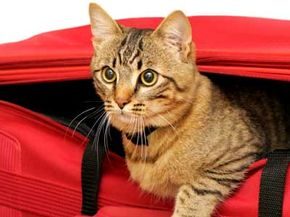
So, what about the dog? Or the cat?
You’re not leaving them behind. You’re not boarding them. You’re taking them. Half of pet owners would do the same. Pet stores are stuffed with carriers, hammocks, car seats, and sedatives to keep your companion as comfortable as you are.
But before you merge onto the interstate, take a detour.
Take shorter trips. Drive around town in the weeks leading up to the big departure. Why? Because animals get car sickness. Motion sickness is real. Confined spaces amplify the anxiety. Nausea follows. Regular riders adapt. They get used to the vibration, the turn, the stop. Your pet needs that acclimation.
Food matters, too. Don’t feed a heavy meal right before you leave. Feed a light one a few hours prior. Give them time to digest. Give them time to relieve themselves. Hunger will set in eventually. An empty stomach on the road is a disaster waiting to happen.
The dietary concerns don’t end when you back out of the driveway.
Keeping the Traveling Pet Hydrated
Water is non-negotiable. Bring plenty of it. Bring plenty of their usual food. But hydration is the silent killer of long trips. Dehydration sets in faster than you think. Dry air from vents. Stress. Lack of movement.
Pack a collapsible bowl. Pack a bottle with a spout. Or just carry a jug and a cup. It’s simpler. Less likely to spill. More accessible.
Check the water level frequently. Offer small amounts. Don’t force it. If they’re reluctant, try ice cubes. Many pets prefer the cold crunch. It keeps them interested. It cools them down.
“Proper hydration is just as important as food when traveling with pets over long distances.”
Don’t assume they’ll drink from a strange bowl in a motel sink. They won’t. Bring their own routine. Bring their own bowl. Familiarity reduces stress. Stress reduces appetite. Appetite reduces energy.
You’re aiming for a smooth ride. Not just for you. For them. One dry mouth can ruin the whole trip.
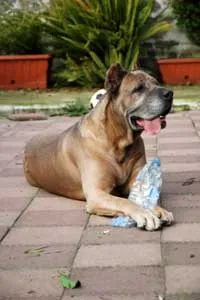
Hydrating Your Pet on the Road
Leaving animals to their own devices means they graze constantly. Cats might eat twelve to twenty times a day. Dogs? They tend to inhale one or two massive meals. But the road changes the rules.
Do not feed them while the car is moving. Motion sickness hits hard, and a queasy stomach is no fun for anyone. If your dog starts looking green, stop the car. Offer ice chips. They soothe. They hydrate. Over-the-counter stomach aids for pets can help too, but prevention is better.
Water matters just as much as food.
People sip between meals. Pets do too. They need ready access to fresh water during car trips. There is no magic formula for how much to pack. You have to eyeball it.
Dogs drink roughly one ounce of water per pound of body weight daily. That is about 29 milliliters per pound. Cats are different. They lap up less. For every gram of dry food they eat, they consume only 0.06 ounces of water. That is just 2 milliliters.
Calculate what they drink at home. Add a little extra. Just in case. Without enough water, pets get constipated. They overheat. Both are bad news.
Sourcing Water: Tap vs. Bottled
Lugging gallons of water for a long trip is tedious. But don’t just pour tap water from wherever you stop. Different locations have different minerals and bacteria. It can upset their stomachs, similar to switching dog food brands too quickly.
Bring enough bottled water from home to last a day or two. Then, gradually introduce the local tap water. If you stick with bottled water, keep the brand consistent. Switching brands can irritate a sensitive gut.
How often should you offer water? No specific number works for every animal. The goal is availability.
Carry a travel water bowl or a dispenser. Let them drink when they need to. This is critical in hotter months. Even if the air feels fine to you, it might be suffocating for your pet.
Here is a rule of thumb: pay extra attention if the temperature drops below 55 degrees Fahrenheit (12 degrees Celsius) or climbs above 72 degrees Fahrenheit (22 degrees Celsius). Comfort isn’t optional. It’s a requirement.
Planning for the Long Haul
Traveling with a pet offers companionship. But they can’t ask for a break. They can’t demand a hot dog at a rest stop. You have to plan their nutritional needs. Pack their food. Pack their water. Build in time for walks. Let them stretch.
If the journey is the destination, make sure it is pleasant for the four-legged passenger too.
Lots More Information
Related HowStuffWorks Articles
-
How Pet Microchipping Works
-
6 Pets that Traveled Long Distances to Get Home
-
Do pets suffer jet lag?
-
Top 5 Risks When Driving with a Pet
-
How Pet Shipping Works
More Great Links
-
American Society for the Prevention of Cruelty to Animals: Car Travel Tips
-
National Research Council: Your Dog’s Nutritional Needs
-
National Research Council: Your Cat’s Nutritional Needs
Sources
-
“AAA Projects Slight Decline in Thanksgiving Travel for First Time Since 2002. AAA. Nov. 18, 2008. (Jan. 7, 2009)http://www.aaanewsroom.net/Main/Default.asp?CategoryID=8&ArticleID=64
-
Acker, Elaine G. “Pet First Aid & Disaster Response Guide.” Jones & Bartlett Publishers. 2008. (Jan. 7, 2009)http://books.google.com/books?id=-xWCBGLWwBEC
-
Covert, Stephen J. “Feeding the Dog.” University of Missouri Extension. October 1993. (Jan. 7, 2009)http://extension.missouri.edu/explore/agguides/pets/g09920.htm
-
Helperin, Joanne. “Top 10 Tips for Traveling with Dogs.” Edmunds. (Jan. 7, 2009)http://www.edmunds.com/reviews/list/top10/10887/article.html
-
McGuire, Judy. “Luxury Pet Travel.” Forbes Traveler. March 19, 2008. (Jan. 7, 2009)http://www.forbestraveler.com/luxury/pet-travel-story.html
-
“Top 10 Tips for Safe Car Travel With Your Pet.” American Society for the Prevention of Cruelty to Animals. (Jan. 7, 2009)http://www.aspca.org/site/PageServer?pagename=pets_cartraveltips
-
“Traveling With Your Pet.” American Veterinary Medical Association. (Jan. 7, 2009)http://avma.org/careforanimals/animatedjourneys/livingwithpets/traveling.asp
-
“Your Cat’s Nutritional Needs.” National Research Council. June 24, 2006. (Jan. 7, 2009)http://dels.nas.edu/dels/rpt_briefs/cat_nutrition_final.pdf
-
“Your Dog’s Nutritional Needs.” National Research Council. June 24, 2006. (Jan. 7, 2009)http://dels.nas.edu/dels/rpt_briefs/dog_nutrition_final.pdf