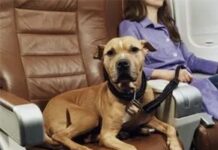
There is a specific kind of freedom that only hits you when you are moving. It is not about the destination. It is about the hum of the tires on asphalt, the shifting landscape outside the window, and the absolute lack of schedule.
In the U.S., this feeling is woven into the national fabric. Long before the interstate system turned the country into a highway network in the 1950s, people were already moving. East to west. West to east. It became a pastime. Jack Kerouac wrote On the Road based on impromptu trips. William Least Heat-Moon traced his path in Blue Highways. You don’t even need to cross the continent. Authors of The Great American Road Trip stayed on one highway, going from Maine down to Florida. Just one line. Just one way.
But then there is the passenger in the back seat. Or the front.
Bringing a pet along changes the geometry of the trip. It adds weight. It adds responsibility. It also adds a layer of joy that solo travel simply cannot match. Why drive yourself when you can drive with a creature that finds wonder in every shadow and scent?
Why Road Trips Are the Only Way to Travel with Animals
Let’s be clear. Flying with a pet is a nightmare of stress and confinement. Trains are limited in routes. Buses are often forbidden.
Cars are the only viable option for cross-country travel with animals. The freedom is unparalleled. You can stop when the animal needs it. You can change plans on a whim. One day you are in snow-covered mountains. The next, you are in the desert heat. For a dog, this variety is not just nice. It is essential.
However, this freedom comes with a price. You are now the sole provider of safety, hydration, and structure for a creature that cannot read a map or open a door.
How Often Should You Stop with a Pet on a Road Trip?
This is the first question that plagues every new road-tripping pet owner. The answer is not a single number. It is a rhythm.
For dogs, the rule of thumb is simple but strict. Stop every two to three hours. Do not skip this. A dog that has been sitting in a car for four hours is a dog on the verge of anxiety or accidents.
Use these stops for two things.
- Physical Release: Let them walk. Let them sniff. The car is a cage. The outside is a library of scents. They need to read it.
- Hydration: Offer water. Even if they are not drinking, offer it. Cabin air can be dry.
Cats are different. They are less physical. They are more territorial. A cat may not need a walk. They need security. Keep them in a carrier. Do not let them roam free in the car. A loose cat in a moving vehicle is a projectile waiting to happen. Stop to check on them. To offer water. To ensure the carrier is comfortable.
How to Keep Your Pet from Dashing Into the Wilderness
The temptation to let them out is strong. You stop. The car door opens. The animal smells freedom. They bolt.
This is the single biggest danger on any
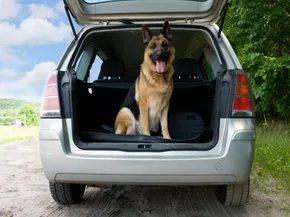
The Rhythm of the Road: Why You Must Stop Every Two Hours
Your bladder capacity is not your dog’s bladder capacity. That’s the hard truth of road tripping with a pet. You might be fine powering through a six-hour stretch with a 44-ounce soda, but your animal companion isn’t built for that kind of endurance. They need to go. More often than you might think.
Experts agree on a strict rhythm: stop every two hours. Not because you’re bored. Because they need to walk, stretch, and relieve themselves. Ignoring this rule leads to uncomfortable accidents or, worse, a stressed-out companion who refuses to settle in for the next leg of the journey.
Finding the Right Spot (And Cleaning It Up)
You don’t need a secluded trail to handle business. Gas stations and shopping malls usually have a strip of lawn tucked away from the traffic. Interstate rest stops often have designated pet areas. These spots exist for a reason. Use them.
But here is the non-negotiable part: pick up the poop. It’s not just about etiquette. In many places, failing to dispose of pet waste is actually a violation of local law. More importantly, it’s inconsiderate to leave unpleasant surprises for other travelers. Bring a small bag. Throw it away. Be responsible.
Feeding on the Go: Less is More
Rest stops are also the time to offer food and water. But do not let your pet gorge themselves. Small amounts only. Overfilling their stomach between stops can lead to discomfort, bloating, and nausea. Frequent, small meals help prevent car sickness, especially if your pet isn’t a seasoned traveler.
Hydration is key, too. Keep water available but don’t make it a free-flowing fountain during the break. Just enough to keep them hydrated without triggering another urgent need to go immediately after you hit the highway again.
Burning Energy, Building Bonding
A tired pet is a good pet. Use your two-hour breaks to play. Throw a ball. Walk a short loop. Let them sniff around. Burning off excess energy makes the time between stops more enjoyable for both of you. A restless dog or cat will pace, whine, or chew on the seat. A slightly tired one might actually sleep.
“A car trip is no place to begin leash training.”
This leads to a critical safety point: always keep your pets on a leash during stops. Even in a fenced area. Especially in a fenced area. Pets can bolt. The sight of a dog sprinting into the woods along a highway in a state you’ve never visited before is a nightmare most owners never want to experience.
If you’re traveling with a cat, this is doubly important. Cats are escape artists. Train them on a leash well before you hit the road. If you haven’t done the work at home, you won’t be doing it at a rest stop in the middle of nowhere.
The Safety Net: Microchips and Tags
You can do everything right and still have an accident. That’s why you need a plan for the worst-case scenario. An identification microchip is an inexpensive, permanent form of ID. It’s embedded under the skin. If your pet is found, a vet or shelter can scan the chip to retrieve your contact information.
The Humane Society of the United States (HSUS) recommends microchipping, but with a caveat: not all shelters have up-to-date scanners for every chip type. That’s why a microchip alone isn’t enough. You need a sturdy collar with current identification tags. The combination of both technology and visible ID maximizes your chances of reunion.
Check the expiration on those tags. Update your address if you’ve moved. Make sure the phone number works. These small details matter when seconds count.
With these habits in place, you can make those two-hour stops with confidence. Your pet stretches. You stretch. The road keeps moving. And you arrive together, intact and relatively calm. Or do you? The road doesn’t always go as planned.