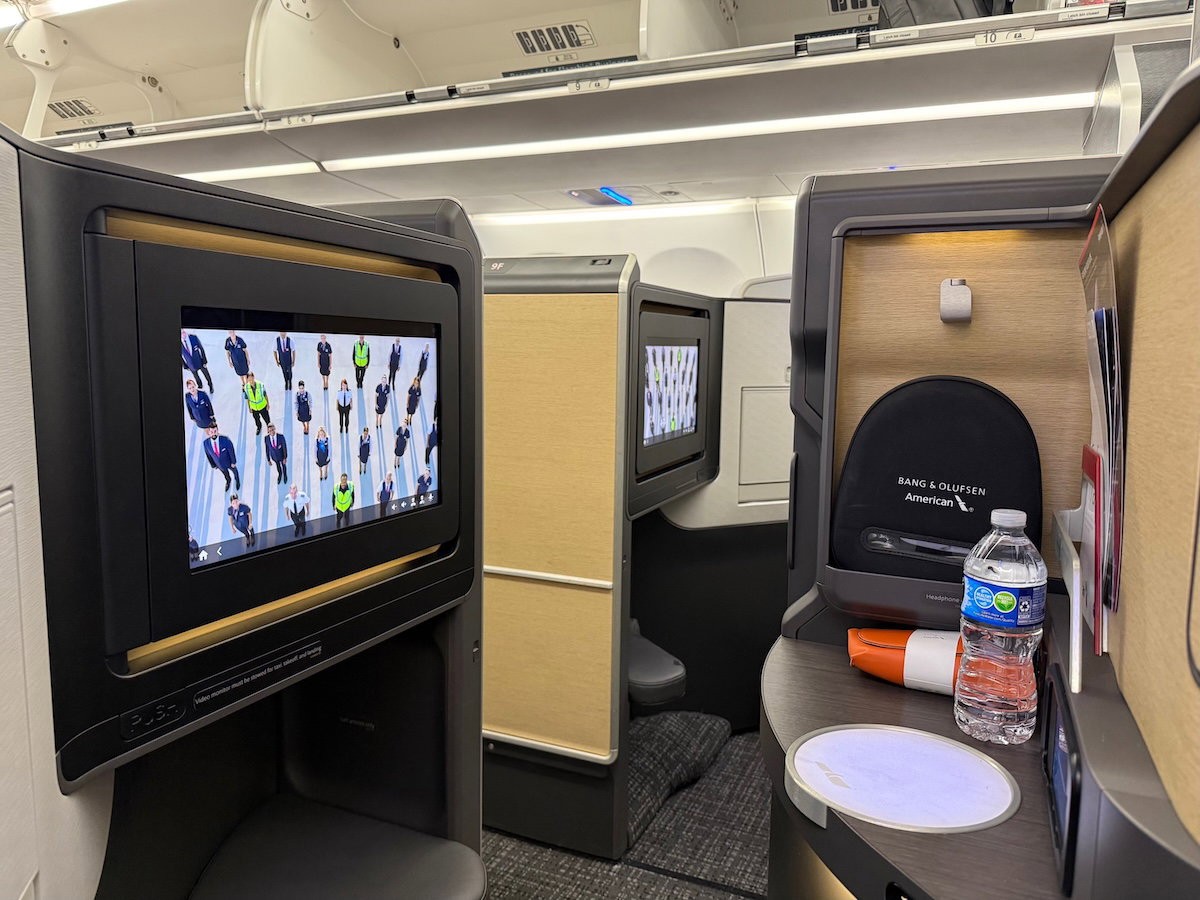
It’s taken a while.
But the privacy doors on American Airlines’ new A321XLR fleet are actually functional.
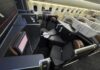
This news lands in late 2025 as the carrier takes delivery of its newest long-range, narrow-body aircraft. While these jets are currently focused on premium transcontinental routes, their main selling point is the business class cabin. And for a long time, that cabin had a frustrating feature: locked doors.
Now, they’re unlocking.
The FAA Certification Hurdle
Aircraft seat certification is notoriously painful. It stalls deliveries. It drags out timelines.
Fortunately for American, the A321XLR seats got certified relatively quickly. Mostly.
There was one catch. The privacy doors remained locked. Passengers couldn’t close them. They just sat there, sealed shut.
That changes now.
As reported by industry watcher JonNYC, the Federal Aviation Authority (FAA) has certified the doors. They can open and close.
But don’t pack your bags just yet.
Phased Rollout for A321XLR Doors
This isn’t a fleet-wide flip of a switch.
It’s slow. Methodical. And slightly annoying for early adopters.
Only one plane is unlocked right now. The specific aircraft has the registration code N302NY. It’s also the most recent A321XXLR delivery.
If you’re lucky enough to book on that specific jet today, you can slide that door shut.
The rest? You wait.
American is taking a phased approach. Through the fall, Tech Ops will activate the doors on the remaining planes in the fleet. Six jets total. One at a time, presumably.
Why such a delay?
I’m genuinely curious. The doors are physically installed. They’re robust. So why does unlocking them require months of technical work? Is it just a software key? A physical release mechanism? Or does Tech Ops need to retrofit something on each tail?
United is still stuck on Dreamliner doors. Delta can’t certify its A321neo seats (and might be dumping the manufacturer entirely). American is doing better by comparison. But this slow activation feels like a hangover from that regulatory grind.
The Cost of Privacy
Here is a detail most passengers miss.
Doors aren’t just for comfort. They trigger labor requirements.
The FAA mandates extra crew when suites have doors. The rule? One flight attendant for every 50 passengers. Then, add another attendant if there are doors.
These A321XLRs have 155 seats.
That math forces a minimum of five flight attendants on board.
It’s a hard requirement. American staffs these flights with that minimum anyway. So the doors don’t cost extra labor. But they do change the safety protocol.
The FAA mandates extra crew when suites have doors, increasing the minimum flight attendant requirement for the 155-seat aircraft.
Why So Slow?
Back to the rollout speed.
American has six jets. One is live. The others follow through the fall.
Was it just to prevent accidental use? Did they hand crews a key and decide to withhold it? That seems plausible.
Or is there deeper maintenance? Is the activation heavier than a simple setting change? With other carriers struggling, American’s delay suggests a conservative, risk-averse approach. They got the FAA nod. They’re just verifying it plane by plane.
It’s not a game changer.
If the planes have the doors, using them is nice. Not using them isn’t a dealbreaker. But having the option matters. Especially at 35,000 feet, with a stranger’s elbow in your ribcage.
The doors are real now.
They’re just taking their sweet time showing up.
For now, check your flight. If it’s N302NY, you win.
If not, you wait until autumn.
Or maybe longer. Who knows.