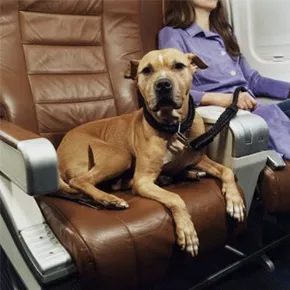
Your best friend lives two time zones away. She’s desperate to see you. She even offers to pay for your flight. It’s a no-brainer, right? Then you look at Webster. Your cat. He’s sitting on the windowsill, judging your life choices. The offer is sweet, but the logistics are a nightmare. How do you get a nervous feline from Point A to Point B without a panic attack?
It’s not just cats, either. Sure, the news loves to highlight the kitten who stowed away in a Boeing 747’s baggage compartment, but that’s not your plan. You want your pet with you. On your lap. Or maybe it’s an African Grey parrot. A bunny. A monkey. A guide dog. Even a tropical fish. It sounds impossible. It isn’t.
Thousands of people fly with animals every year. The pet industry is a $43.4 billion machine. People love their animals, economy or not. Airlines are waking up to this. They know doting owners demand services. But flying with a pet isn’t just about buying a ticket. It’s about paperwork, rules, and knowing exactly where your four-legged friend fits in.
Required Pet Documents for Airline Travel
There is nothing worse than arriving at security, heart pounding, only to realize you forgot the one thing that matters. Your pet. No documents means no flight. Period.
Every state has its own entry rules. You need to check yours and your destination’s requirements well in advance. Don’t wait until the night before.
- Rabies Vaccination : Rabies is nasty. It kills animals and humans. While cases have dropped, the rate isn’t zero. The CDC tracks this closely. Some states require a vet checkup within a specific window before travel. Hawaii is especially strict. If you’re flying there, start early.
- Certificate of Veterinary Inspection (CVI) : Also known as a Health Certificate. A vet signs this to confirm your animal is disease-free and healthy. These expire. Check the validity period with your state department of agriculture.
- Acclimation Certificate : Weather matters. If your pet isn’t used to extreme cold, a sudden freeze in the cargo hold or during taxiing can be harmful. Call your airline. Ask if you need this. Delta and other carriers have specific rules.
You might also need a Confirmation of Feeding, a Live Animal Checklist, or even a tranquilizer consent form from your vet. Pack them all.
Understanding Airline Rules for Pet Travel
Not all airlines play by the same book. Some let pets in the cabin. Some force them into cargo. The rules vary, but the basics are consistent.
- Reservations : Expect to pay. Fees range from $50 to $150 one-way. International flights cost more. Heavy animals cost more. Book early.
- Pet Carriers : Most airlines want a hard-sided carrier. It must fit under the seat in front of you. It also must be large enough for the animal to stand, turn around, and lie down naturally. What is “natural” is up to the gate agent. Get the biggest carrier that fits under a standard seat. Measure it. Bring water and food attachments.
- Age Limits : Puppies and kittens stay home. Most airlines require pets to be at least eight weeks old. American Airlines and Frontier enforce this strictly.
- Movement : You can unbuckle your seatbelt. Your pet cannot leave the carrier. Not during taxiing. Not during boarding. Not while waiting in the terminal. The carrier stays closed.
Animals who are not accustomed to extreme cold can be harmed by a sudden burst of cold weather while waiting to be placed in plane storage and while on the plane.
Flying With Service Animals
See a dog in a harness at security? Don’t touch it.
That harness means the dog is working. Guide dogs, service animals—they go through security with their owners. They ride in the cabin. They don’t go in cages. The law requires businesses and airlines to allow them entry. This isn’t a perk. It’s a right.
When Things Go Wrong
Things can escape. In October 2008, a baggage handler at Delta found a one-year-old cheetah wandering the cargo hold of a Boeing 757. The cheetah was being shipped from Wildlife Safari in Oregon to the Memphis Zoo. The plane stopped in Atlanta. The cheetah got out.
Workers from the Atlanta Zoo had to tranquilize the curious feline. The plane sat in a hangar until it was safe. It’s a rare story, but it highlights why documentation and proper handling matter.
So, how do you ensure a safe flight? You prepare. You check the rules. You pack the papers. And you accept that Webster might not be happy about it. But he’ll be there. And that’s what matters.
Navigating Service Animal Protocols and Breed Restrictions
The Americans with Disabilities Act draws a hard line. Service animals aren’t pets. They are individually trained to perform specific tasks for people with disabilities. This includes guide dogs for the blind, hearing dogs for the deaf, or mobility dogs that pull wheelchairs. Some alert owners to oncoming seizures. Others, like specially trained monkeys, handle similar complex duties.
You can bring these animals onto airplanes free of charge. No pet fee. But the process isn’t automatic. You need to know the how to travel with service animals on flights rules inside and out.
Airlines will demand identification. A visible harness or vest is usually non-negotiable. You might also need an Animal Identification Card, a health certificate, or proof of rabies vaccination. At the gate, expect a verbal confirmation. They want to know what the animal does, how it assists you, and where it was trained. Keep the animal out of aisles and emergency exits during the flight.
International travel adds a layer of complexity. Quarantine laws vary wildly by destination. Check the regulations for your specific country before booking. Hawaii used to be a nightmare for service animals until 2000. They fixed the loophole, but calling ahead is still wise.
Don’t assume service animals are only for physical disabilities. Emotional support animals fall into a different category. They provide comfort for mental health conditions. The rules here are stricter and vary by carrier.
Miniature Horses and Comfort Animal Documentation
Miniature horses are valid alternatives to guide dogs. They are calm, long-lived, and rarely distracted. People often mistake guide dogs for pets, but miniature horses command more space and respect. They are allowed in the cabin, but you must check with your airline for specific regulations regarding non-traditional service animals.
Comfort animals operate under different guidelines. These can be dogs, cats, parrots, or even monkeys. The key difference? You need documentation.
Airlines require a letter from a licensed medical professional. This letter must state the animal’s purpose and the benefit you derive from the relationship. It’s not a permanent pass. The letter has an expiration date. You also need proof that the professional is licensed and that you are currently under their care. Health and rabies records for the animal are mandatory.
If you lack a physical disability, you will face more obstacles. Some airlines treat comfort animals like service animals, but many do not.
Weather Restrictions for Brachycephalic Breeds
Some dog breeds simply cannot handle the heat. If you plan to travel with a pug-nose dog, your vacation dates depend on the thermometer. These breeds are restricted when temperatures exceed 70 to 75 degrees Fahrenheit.
United Airlines bans certain breeds from traveling as cargo or carry-on between June and September. The list is extensive. It includes:
- American Bulldog
- Boston Terrier
- Boxer
- Bulldog
- Chinese Pug
- Chow Chow
- French Bulldog
- King Charles Spaniel
- Mastiff
- Pit Bull
- Pug
- Shar Pei
- Shih Tzu
- Staffordshire Bull Terrier
Delta Airlines has similar restrictions for cats. Burmese, Exotic, Himalayan, and Persian cats are banned from flying when temperatures rise above 70 degrees Fahrenheit.
These rules are often buried deep in airline websites. Don’t guess. Call the airline.
Pet-Only Flights and Alternatives
Standard airline cargo isn’t for everyone. Pet Airways offers a different model. They fly pets solo on dedicated flights. No mixed cargo. No cramped holds. The service launched in mid-2009 with fares starting around $150. It’s an option if your regular airline won’t accommodate your pet’s needs.
In Japan, the concept of animal companionship extends to cafes. Ja La La Café in Tokyo lets you rent time with cats for about $10 an hour. You can pet, play, and relax. If cats aren’t your thing, companies rent beetles, ferrets, dogs, or rabbits.
The trend goes deeper. Some Japanese companies rent out fathers, relatives, or husbands. You can hire someone to “practice” for your wedding or provide emotional support. It’s a paid comfort service.
Most travelers don’t have that luxury. You stick to your own animal. You navigate the paperwork. You watch the weather reports. And you hope the flight attendant doesn’t ask questions you haven’t prepared for.
Navigating airline pet policies and exotic animal travel rules
You don’t need a cheetah to understand the stress of flying with animals. But in 2008, one did escape its crate on a flight out of Oregon. It wasn’t a movie plot. It was a headline. The Oregonian reported the incident, highlighting a very real risk: crates fail. Animals panic. Things go wrong.
Most travelers aren’t shipping big cats. They’re hauling dogs and cats. Maybe a parrot. The rules for them are less dramatic but equally rigid. Major carriers like American Airlines, Delta, United, and Frontier all have specific pages for this. You can find them under “Traveling With Pets” or “Special Assistance.” But reading the fine print is where the trip either happens or gets canceled.
Why service animals bypass standard pet restrictions
Not all animals travel in the cargo hold. Service animals operate under a different legal framework. United Airlines and Delta both distinguish clearly between a pet and a service animal. If your animal is trained to perform tasks, it doesn’t count as a pet. It travels in the cabin with you. No crate. No extra fee. Usually.
But the definition matters. A guide dog? Yes. A monkey trained to assist with disabilities? The Helping Hands organization has done this for years. NPR covered a story about an anti-anxiety monkey, noting the unique challenges. These aren’t emotional support pets in the modern, loose sense. They are working animals. The distinction protects access.
Hawaii has its own twist. The state requires strict quarantine for pets entering from the mainland. The Hawaii Department of Agriculture (HDOA) approves new rules occasionally. In 2000, they allowed service dogs to enter without quarantine. This is a critical exemption for disabled travelers. If you’re bringing a standard pet, you’re looking at a five-day hold. For a service dog, you just need proof of training and health.
Where to find acclimation certificates and health docs
Paperwork is the invisible barrier. You think you’re just buying a ticket. You’re not. You’re starting a bureaucratic process.
Acclimation certificates are one of the most overlooked documents. The American Veterinary Medical Association (AVMA) notes that some dogs and cats cannot tolerate certain temperatures. If you fly in summer, your carrier might require proof that your animal can handle heat. This isn’t a guess. It’s a vet-signed statement. Without it, they won’t let the animal on the plane.
You also need a Certificate of Veterinary Inspection. Oregon’s ODA lists this as a requirement for interstate travel. It’s not optional. It proves your animal is healthy and vaccinated. Rabies is the big one. The CDC tracks rabies closely. Most airlines require proof of rabies vaccination within the last few years. Some international flights require it within 12 months. Check the dates.
How specialty carriers like Pet Airways changed the game
Standard airlines treat pets as cargo. Specialty carriers treat them as passengers. Pet Airways was a pioneer in this space. They operated flights dedicated solely to animals. No humans in the cabin. Just pets and handlers.
The appeal was simple. Less stress. Better conditions. The aircraft were pressurized and temperature-controlled specifically for animals. While the industry has shifted since 2008, the concept remains valid for high-value or high-anxiety animals. If you’re traveling with a brachycephalic breed (like a pug or bulldog), standard cargo holds can be deadly. Their airways are short. They overheat fast.
Frontier and other budget carriers often have stricter limits. They may not allow pets in the cabin on certain routes. Always check the “Travel Support” or “Family & Pets” sections on their site. Don’t assume.
What the industry statistics actually tell you
The American Pet Products Association (APPA) tracks trends. Pet ownership is rising. So is pet travel. This creates friction. More animals on planes means more incidents. More complaints. More regulations.
The cost isn’t just the ticket. It’s the crate. An airline-approved crate costs money. It’s sturdy. It’s ventilated. It’s labeled. You can’t just use a backpack. You need a hard-sided carrier that meets IATA standards.
Why timing and logistics matter more than destination
When you book, think backward. Start with the arrival requirements. Then work back to the departure rules.
If you’re going to Hawaii, start the paperwork months in advance. The quarantine rules are complex. If you’re flying domestically, check the layover rules. Some airports require specific handling for animals in transit.
The Guide Horse Foundation also provides resources for those traveling with larger service animals. Not every airline accommodates horses. But some do. It requires early coordination.
Don’t wait until the day of the flight. The vet appointment. The crate purchase. The form submission. These take time. The che