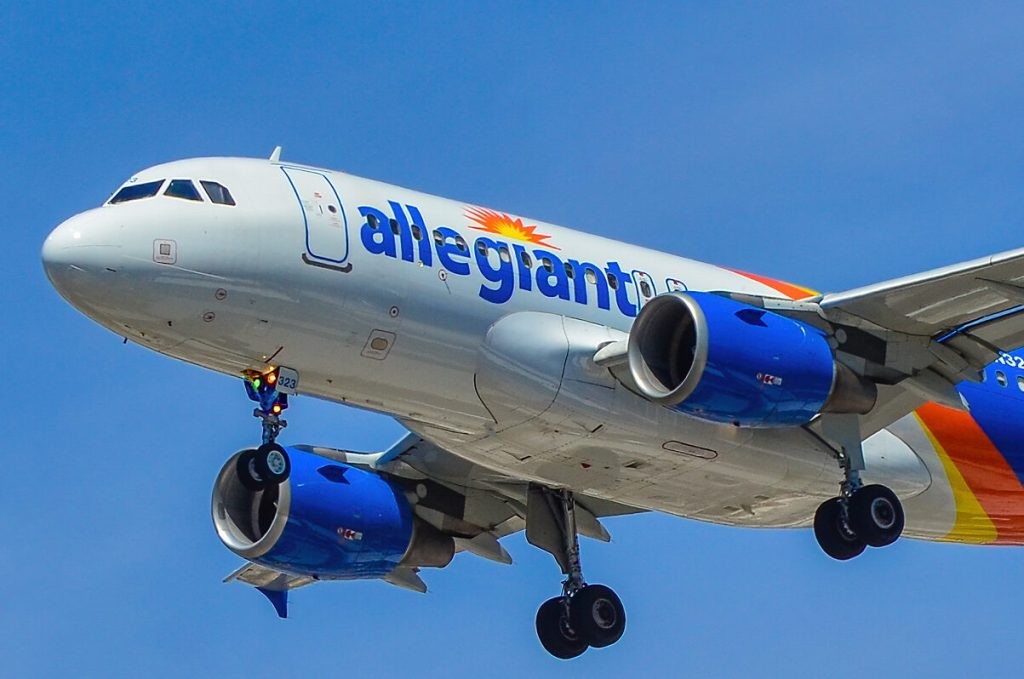
Allegiant Air is signing with Expedia. It is an exclusive deal. For a budget carrier that spent years fighting Online Travel Agencies, this looks like a surrender. It might actually be smart business.
Why is Allegiant choosing Expedia?
The airline used to view OTAs as parasites. They take a cut of every booking and dilute brand control. Allegiant bypassed them to sell directly, keeping margins thin but tight. That model works until it doesn’t. The reach problem hit hard. Expedia brings volume that a standalone airline website struggles to generate during peak travel seasons.
Allegiant wants visibility. Expedia provides the funnel. This shift signals a broader industry trend. Niche carriers can no longer afford to be isolationists. They need the distribution. The primary question is simple: how does this partnership benefit budget travelers? The answer lies in access. Expedia bundles flights with hotels and cars, creating packages that make low-cost regional destinations feel cheaper overall.
Is Expedia the best OTA for low-cost carriers?
Expedia is a massive aggregator. It dominates search volume for vacationers planning trips weeks or months in advance. That suits Allegiant’s leisure-heavy demographic perfectly. Budget travelers research. They compare. They don’t just hop on the next plane to their hometown; they plan getaways to Florida or Vegas.
Other players like Priceline or Booking.com focus heavily on lodging. Expedia owns the travel stack. For an airline selling seats as part of a holiday package, Expedia is the logical hub. It captures intent early in the planning phase.
“Exclusivity drives value, but it also creates dependency.”
That dependency is real. Allegiant gives up some pricing power to the platform. Yet the alternative is flying half-empty planes into secondary airports. The math favors volume.
The rest of the travel industry shifts too
This deal does not exist in a vacuum. The sector is adjusting to post-pandemic realities. Consider the recent World Cup. Hotels and short-term rentals saw rate-driven wins. The impact was real, localized, and lucrative. U.S. airlines? Barely noticed. International visitor numbers missed expectations. The windfall belonged to ground accommodations, not carriers.
Luxury travel is changing as well. Affluent buyers want purpose. They seek Lindblad Expeditions style depth. Awe, not excess. Brands that offer discovery gain edge over those offering generic service. Budget and luxury are diverging