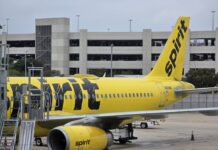
Southwest Airlines has announced the appointment of Nandika Suri as the new Vice President of its Rapid Rewards loyalty program. Suri, a seasoned industry executive, joins the airline following a successful tenure at Choice Hotels, where she oversaw the Choice Privileges program.
Her arrival comes at a critical juncture for Southwest. While the airline is looking to deepen customer engagement, its loyalty program has recently faced headwinds, including a consistent decline in redemptions and a decrease in the percentage of passenger miles flown on award tickets.
A Career Built on Program Architecture
Suri is far from a newcomer to the complexities of airline loyalty. Her professional background suggests a deep understanding of how to build and integrate large-scale membership systems:
- United Airlines Veteran: She spent 17 years at United, playing a pivotal role in the integration of the United and Continental elite programs. Notably, she led the launch of United’s revenue-based Premier Program in 2014—a move that fundamentally changed how airlines calculate member value.
- Diversified Experience: Beyond airlines, she launched the loyalty program for Under Armour and most recently managed the redesign of Choice Privileges, focusing on faster elite qualification and improved redemption flexibility.
Unlike traditional marketers who focus solely on brand image, Suri is recognized as an operator. Her expertise lies in the “mechanics” of loyalty: data-driven operating models, cross-functional integration, and the technical execution of member profiles.
What This Means for Rapid Rewards Members
Suri’s mandate at Southwest is clear: enhance customer connection, grow membership, and advance partner relationships—particularly within the co-brand credit card portfolio. Given her track record, travelers can expect several strategic shifts in how Rapid Rewards functions:
1. From “Earn and Burn” to “Experience”
Suri has consistently advocated for “experiential and emotional” value over simple transactional rewards. Instead of just earning points to buy a flight, members may see more diverse ways to use their points, such as curated experiences or non-flight redemptions that feel more integrated into a lifestyle rather than a “miscellaneous” category.
2. Data-Driven Personalization
A core pillar of Suri’s philosophy is the use of 360° customer views. By leveraging sophisticated data platforms, Southwest will likely move toward “real-time” personalization. This means marketing and rewards will become more tailored to individual traveler behaviors across different digital and physical channels.
3. Tier Refinement and Recognition
At Choice Hotels, Suri emphasized “more benefits, more often.” At Southwest, this could translate to new recognition milestones between existing tiers (such as between A-List and A-List Preferred) or enhanced rewards for high-frequency travelers who exceed current status levels.
4. Potential Premium Offerings
There is growing speculation that Southwest may eventually introduce premium credit card benefits, such as lounge access, to compete with legacy carriers. With lounges already in development for hubs like Honolulu, Dallas, and Austin, a new loyalty strategy could provide the commercial engine to support these premium amenities.
The Bottom Line
Southwest is moving away from a purely transactional loyalty model toward a sophisticated, data-centric ecosystem. If Suri successfully applies her “operator-first” approach, Rapid Rewards could evolve from a simple frequent flyer program into a comprehensive lifestyle and experience platform.
Conclusion: By hiring a specialist in program mechanics and data integration, Southwest is signaling a shift toward a more modern, personalized, and experience-driven loyalty strategy to reverse recent trends in passenger engagement.