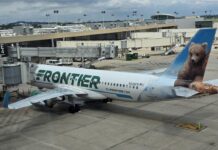
The 2026 FIFA World Cup was supposed to be a financial goldmine. Instead, it was a mixed bag with some serious leaks. The numbers don’t lie: the tournament delivered real, tangible gains for specific sectors. But not everyone cashed in. In fact, the impact on US airlines was barely a ripple in the data. Meanwhile, the anticipated surge of international visitors fell short of the projections.
We were banking on a global travel boom. What we got was a localized spike in occupancy rates.
How the World Cup Affected Different Sectors
It’s easy to assume a massive sporting event lifts all boats. That’s not what happened. Hotels saw a clear uptick. Short-term rentals rode a similar wave. Rate-driven gains were the story of the tournament. You booked a room, you paid more. Simple economics.
Airlines told a different tale. US carriers didn’t see the volume they projected. The international visitor influx—the one analysts touted as a major growth engine—didn’t materialize at expected levels. So who wins? Property owners. Who misses out? Legacy air lines expecting a flood of transcontinental tourists.
The disconnect is stark. Ground-level hospitality thrived. Sky-level logistics stumbled.
Why did this happen? Probably because leisure travelers shifted how they plan. Maybe they stayed longer in one spot instead of flying around. Maybe corporate budgets tightened. The data shows the money stayed in the rooms, not on the runways.
Where is Luxury Travel Going Now?
Forget the five-star lobby with the marble floor. That’s old news. Affluent travelers have rewritten the rules, and operators are scrambling to keep up. The shift is rapid. Depth beats opulence every time.
Lindblad Expeditions gets this. Their brand isn’t built on gold faucets. It’s built on purposeful discovery. Experience. Understanding the context. This approach gives them a competitive edge that generic luxury brands are losing ground to. People don’t just want comfort anymore. They want connection.
Purposeful discovery is the new luxury currency.
If you’re selling excess, you’re losing. If you’re selling awe, you’re winning. It’s that simple.
The European Emissions Debate
While America argues about airline profits, Europe is getting serious about carbon. They plan to charge international flights for emissions. Big deal? Absolutely. Except everyone is unhappy with it.
Here’s the catch: the US and China get a pass. And that’s irritating the aviation associations on