It wasn’t just a bad meal.
A 16-year boy died in midair because he trusted a flight attendant who told him a sandwich was safe.
His name was Jason Hu. He was sixteen. He had allergies to peanuts. To dairy. To fish. He knew the stakes.
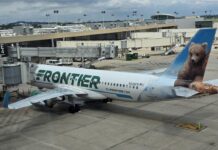
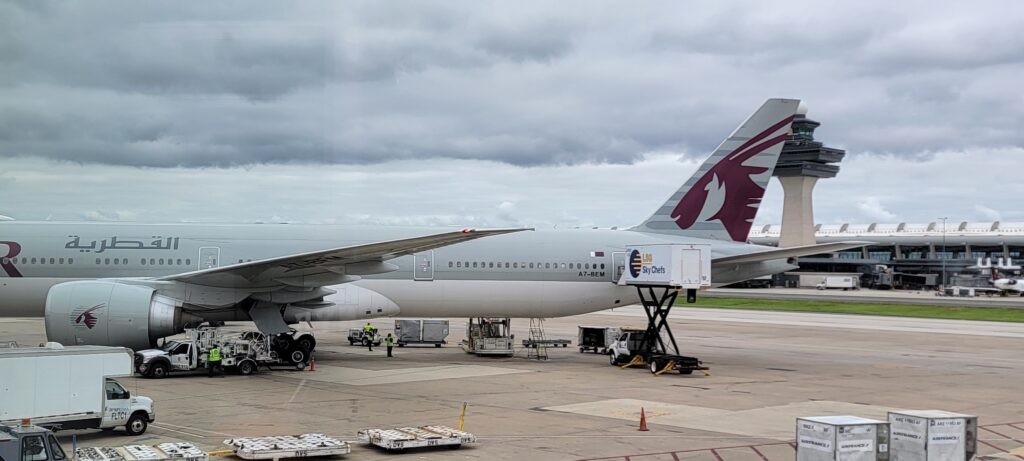
On August 21 2024 he flew Qatar Airways flight QR701 from Doha to New JFK. The journey was routine until it wasn’t. The sandwich service started. Jason and his father told the crew about the restrictions. Specifically. They listed every trigger.
The crew looked at the food. Then they looked at him. And they said it was okay to eat.
Jason ate. Then he stopped breathing.
What follows is not a mystery of why his body reacted. It’s a tragedy of failed protocols. His nebulizer did nothing. An injection from the crew reportedly changed nothing. The portable oxygen tank on the plane supposedly didn’t work at all. By the time the plane touched down in New York Jason was gone. He lay behind his father for the remainder of the flight. Oxygen mask still on. Life already off.
Why This Specific Case Matters for Flight Liability
The lawsuit filed by the family isn’t just about grief. It’s about the Montreal Convention. That treaty governs injuries and deaths on international flights. But here’s the catch: the family has to prove the death was caused by an “accident.”
Legal definitions are tricky here.
An “accident” in this context doesn’t just mean something bad happened. It has to be an unexpected or unusual event. External to the passenger. Not merely the passenger’s own biology failing.
This is where the sandwich matters.
If Jason had simply eaten a hidden nut in a buffet it might be hard to blame the airline. But here crew members gave a direct assurance. They said the food was suitable.
In Olympic Airways v Husain the Supreme Court ruled that a flight attendant’s refusal to help an asthmavoid smoke could constitute an accident. The vulnerability was internal. The event (refusal) was external.
Then there was Schaefer-Condulmari vs US Airways. A woman claimed she asked for a gluten-free meal was assured she got it and went into shock. She went into anaphylaxis. The court said serving an allergen contrary order could be an “accident.” US Airways won trial though. Records showed she ordered a vegetarian meal not a special medical one. And the attendant never actually promised it was gluten free.
The Hu family argues the promise was made. That is the liability trigger.
If the airline says the food is safe and it isn’t that promise is the external event that caused the death.
What We Know About the Failed Rescue Efforts
The timeline in the federal complaint is harrowing.
After eating the sandwich Jason struggled. He used his personal nebulizer. The crew provided what the suit calls an “unknown injection.” It did not help.
Here’s a critical detail in the filing. It mentions a non-functional EpiPen. It is unclear if there was a drug delivery device that malfunctioned or if the medication itself failed to counter the reaction.
Then the oxygen came out. The tank supposedly was not operational.
The crew did contact MedAire. Emergency services waited at JFK. Jason arrived dead. He remained seated with the oxygen mask on for hours after he passed. His father and sister watched.
Was there any chance of saving him if the oxygen worked? If the EpiPen had been real and functional? The lawsuit doesn’t ask those questions. It lays out the sequence of failures. It asks for justice under international law.
How This Fits a Pattern of Airline Allergy Errors
Qatar Airways isn’t unique here but recent lawsuits suggest a recurring pattern of carelessness.
Just last year a mother sued after a flight attendant fed a KitKat to her three-year-old daughter. The child had known nut and dairy allergies. The mom had to use her own EpiPen. The child survived. But she spent two days in ICU.
Then there is the case of an 85-year vegetarian man. Qatar Airways allegedly had no vegetarian meals left. Told him to “eat around” the meat. He choked. Died after landing in Edinburgh. That flight also involved MedAire. And alleged diversion delays.
So where do we stand with the Jason Hu case?
It comes down to four facts:
1. What was actually in the sandwich
2. What exactly did the crew member say to the father
3. Did the airline properly record the allergy warning beforehand
4. Did the broken equipment change the outcome of survival
If the crew ignored warnings and served peanuts to a kid who listed peanuts as deadly that isn’t an accident.
That is negligence. And under the Montreal Convention it might be the difference between a tragedy and a payout.
We’ll see what the judges think about a sandwich that kills.