Most travelers heading through southwestern Poland keep their eyes on Krakow’s medieval sprawl or Wrocław’s fairy-tale squares. Opole, however, sits quietly in the background, perched along the winding Oder River. It is the capital of the Opolskie province and a place that rarely makes the standard itinerary, yet it offers a distinct slice of Silesian history without the crushing crowds.
If you are wondering which lesser-known Polish city offers authentic history and river views, Opole deserves a stop. The city’s story begins in the 9th century as the stronghold of the Slavic Opolanie tribe. By 1202, it had risen to become the capital of the Opole Principality, effectively ruling much of Upper Silesia. Power shifted hands like a hot potato over the centuries: Bohemia took control in 1327, the Habsburgs followed in the 16th century, and Prussia claimed it in 1742. It finally settled back into Poland in 1945, shaping the unique cultural identity it holds today.
Logistics and Getting There
Opole functions as a critical node in the region. It serves as both a river port and a major rail hub connecting Wrocław to the industrial heartlands of Upper Silesia. For budget travelers, this connectivity is key. Trains from Wrocław are frequent and relatively cheap, making it an easy day trip or a one-night layover. The city is not massive—with a population of roughly 122,000 as of 2011—it is walkable, though the industrial edges hint at its working-class roots.
The economy here leans heavy on industry. You will see the results of cement plants and iron foundries in the surrounding districts, a reminder that this is a place of labor as much as leisure. But don’t let the industrial label fool you into thinking the center is gray. The historic core tells a different story.
What to See and Do
Why visit? Because Opole feels lived-in. It is not a museum piece behind glass. The city boasts a regional museum that delves into the complex layers of Silesian heritage, along with a university that adds a youthful energy to the streets. Theatres are present and active, reflecting a strong local artistic community.
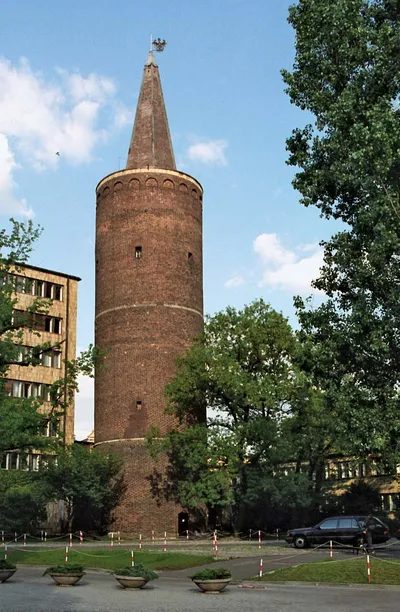
The architecture is a mix of styles that survived wars and regime changes. You can wander through notable historic buildings that blend Germanic and Polish influences, a physical manifestation of the city’s turbulent past.
Timing your visit around August can be especially rewarding. That is when the Festival of Polish Songs takes over the city. It is not just a local event; it is a national phenomenon, drawing music lovers and creating a festive atmosphere that permeates the streets. If you enjoy live music and communal celebration, this is a prime time to be here.
Practical Tips for the Traveler
- Stay : The city center offers guesthouses and hotels that are significantly more affordable than those in Wrocław or Krakow.
- Eat : Look for traditional Silesian dishes. The cuisine reflects the region’s diverse history, often featuring hearty stews and dumplings.
- Explore : Take a walk along the Oder. The riverfront provides a peaceful counterpoint to the city