Air India is currently undergoing a massive brand transformation, aiming to reclaim its status as a premier global carrier. While much of the recent focus has been on the rollout of new Business Class cabins, recent developments suggest the airline is aiming even higher. Instead of the modest “Business Class Plus” concept previously expected, Air India is now set to introduce a high-end First Class suite product on its upcoming Airbus A350-1000 fleet.
From “Business Plus” to True Luxury
Initial reports suggested that Air India might opt for a simplified First Class experience using the Safran Unity platform. This approach would have essentially offered more space and comfort than a standard Business Class seat, but would have lacked the distinction of a true premium cabin.
However, due to supply chain disruptions, the airline has shifted its strategy. Rather than settling for a marginal upgrade, Air India has decided to partner with Airbus to implement a customized First Class suite. This shift marks a significant pivot from a “space-adding” strategy to a “luxury-defining” one.
The New Cabin Configuration
While specific details of the customization are still being finalized, several key features of the new product are emerging:
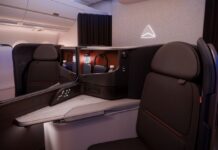
- Layout: The cabin is expected to feature a 1-1-1 configuration, ensuring maximum privacy and direct aisle access for every passenger.
- The Suite Concept: By utilizing Airbus’s suite designs, the airline can offer enclosed, private environments. This places Air India in direct competition with elite carriers like Japan Airlines and Lufthansa.
- The “Master Suite” Possibility: There are indications that the airline may incorporate a “Master Suite” concept—a significantly larger, ultra-premium suite within the cabin—though it remains to be seen if Air India will implement the full bedroom-style customization.
Why This Matters for the Industry
This move is part of a broader trend in long-haul aviation where premium passengers are increasingly demanding total privacy. The era of the “open cabin” is being replaced by individual, door-enclosed suites that function as private sanctuaries.
By choosing a dedicated Airbus suite over a modified Business Class seat, Air India is signaling that it intends to compete with the world’s most prestigious airlines rather than just the mid-tier players. However, the success of this hardware will depend heavily on the “soft product” —the quality of service, dining, and hospitality—which must match the high-tech luxury of the new seats.
Remaining Uncertainties
While the A350-1000 plans are taking shape, one major question remains: What will happen to the Boeing 777-300ER fleet? Because the new Airbus-designed suites are specific to the A350 platform, it is unclear if Air India will be able to replicate this level of luxury on its existing Boeing aircraft or if those will continue to feature a different product.
Air India’s pivot from a “Business Plus” concept to bespoke Airbus First Class suites represents a major leap in the airline’s rebranding efforts, moving them closer to the top tier of global aviation.
Conclusion
Air India is moving away from a conservative cabin strategy in favor of a highly competitive, luxury-focused First Class product. If the airline can successfully pair these advanced Airbus suites with world-class service, it will significantly strengthen its position in the global long-haul market.