Recent passenger accounts have highlighted a stark contrast in the “in-flight experience” between major carriers and budget airlines. Two viral stories—one involving a disruptive passenger on Delta Air Lines and another involving illicit sharing on Spirit Airlines —illustrate how different airline business models and passenger demographics shape the atmosphere of a flight.
The Delta Incident: When Chaos Meets Enforcement
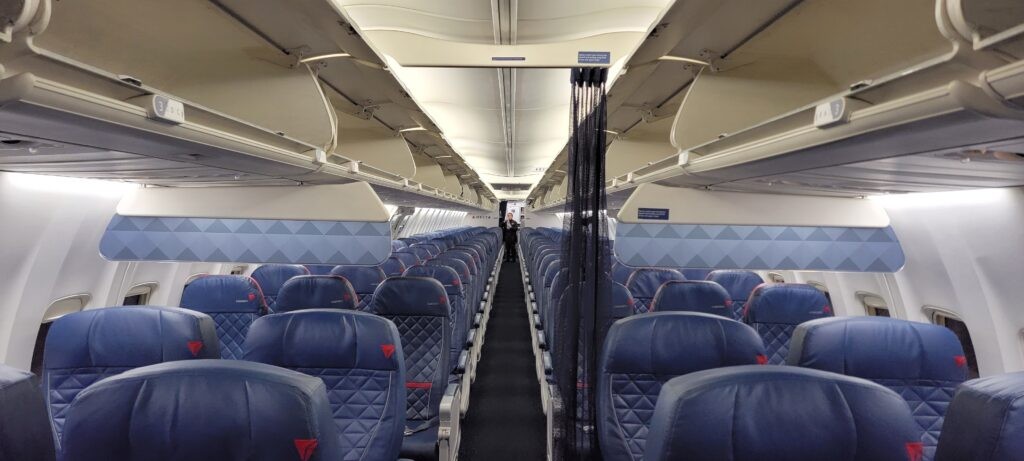
A recent passenger report detailed a chaotic scene aboard a Delta flight, triggered by a man who had reportedly spent 11 hours drinking at an airport bar before boarding. Rather than settling into his seat, the passenger became a source of significant disruption:
- Harassment: He reportedly smacked a sleeping passenger on the head and yelled, “This is the party flight!” to force others to wake up.
- Boundary Violations: He forced a selfie upon a fellow passenger without consent and forcibly removed another traveler’s headphones to “ensure they could join the party.”
- Failed Revolt: When flight attendants intervened to remove him, the man attempted to incite a passenger revolt, encouraging others to boycott the flight and return to the bar with him.
The attempt failed, and the crew maintained control. The interaction highlighted a clear boundary in premium service: while passengers may be unruly, the airline maintains a zero-tolerance policy for behavior that compromises the safety and comfort of others.
The Spirit Experience: A Different Kind of “Party”
In a complete reversal of the Delta incident, a passenger on Spirit Airlines shared a story that suggests a much more relaxed—and rule-bending—environment. On this ultra-low-cost carrier, the “entertainment” wasn’t a disruptive individual, but rather a communal exchange of contraband.
According to the passenger, a man sitting in the exit row began distributing Tito’s vodka shooters from a large Ziploc bag. The exchange became a symbiotic transaction:
1. The man provided the alcohol.
2. The passenger purchased sodas for him (since Spirit does not provide complimentary beverages).
3. The passenger noted that the alcohol complemented her original plan to use the flight as an opportunity to consume other substances.
Why This Matters: The Risk-Reward Calculation
These stories are more than just anecdotes about “bad passengers”; they reflect the differing social ecosystems of the aviation industry.
1. The Service Standard
On legacy carriers like Delta, the expectation is order and professional service. Disruption is met with immediate removal because the “product” being sold is a predictable, safe environment. On budget airlines like Spirit, where the cost of entry is much lower, the passenger demographic and the “unbundled” service model (where everything from water to seat selection costs extra) create a different social contract.
2. The Legal Gray Area
The Spirit story touches on a fascinating trend regarding how travelers navigate federal laws. While TSA regulations allow for small amounts of alcohol in Ziploc bags, bringing drugs through security remains a high-risk federal offense.
The fact that passengers are openly discussing “getting high” or sharing alcohol on a budget flight suggests a unique risk-reward calculation. In the high-stakes environment of major hubs, travelers tend to follow the rules to avoid police intervention. However, in the more casual, low-cost atmosphere of budget travel, passengers seem more willing to bend the rules to maximize the value of their inexpensive ticket.
The contrast is clear: on one airline, disruptive behavior leads to an immediate ban; on the other, rule-breaking becomes a way for passengers to create their own “in-flight entertainment.”
Conclusion: These incidents demonstrate that an airline’s brand is defined not just by its ticket price, but by the social boundaries and behavioral norms established within its cabins.