State labor laws are messy. They say employees need meal breaks. Breaks where they can actually step away. Get off duty.
California thinks it can mandate this for flight attendants. So do Colorado, Connecticut, Delaware, and a dozen other states including Illinois, Washington, and New York. The logic seems sound. Everyone gets tired. You want people fed and rested.
But here’s the friction.
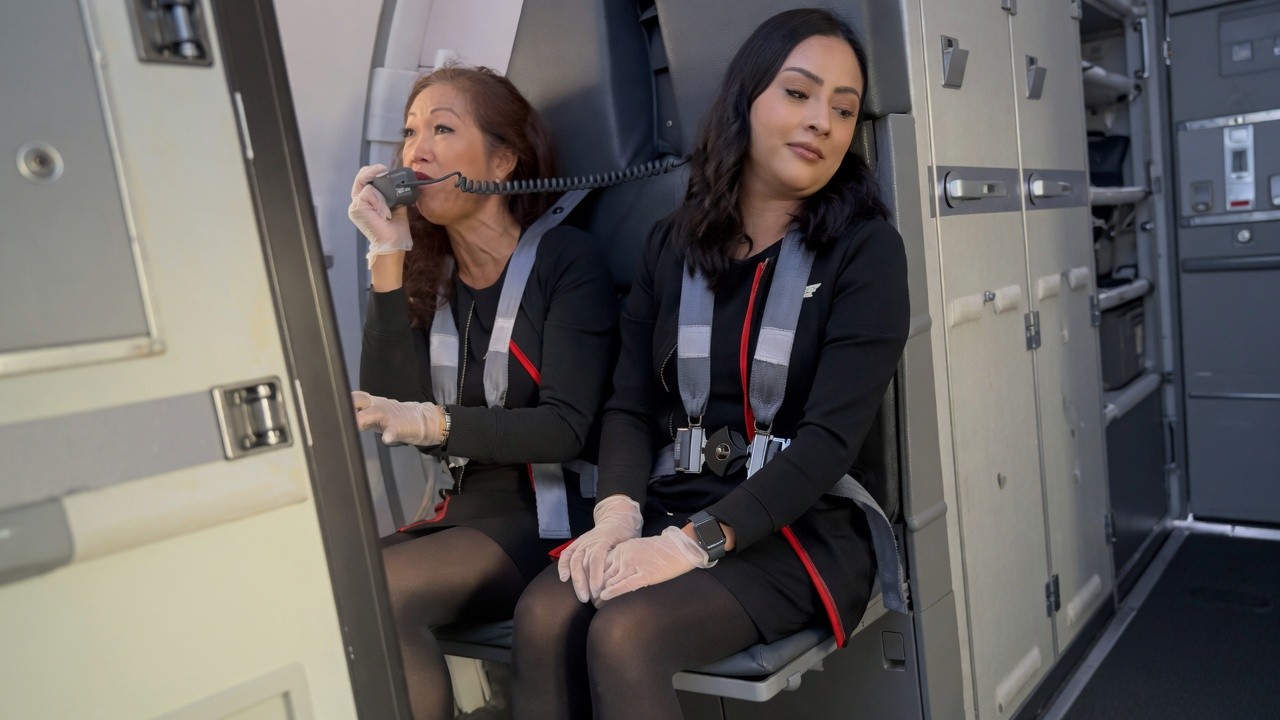
Airlines aren’t retail stores. You can’t just send a crew member to a back room for thirty minutes while a plane is mid-air or parked at the gate with a safety emergency brewing. If the crew is “off duty,” who answers the call if things go south?
So you’d have to hire relief attendants for cross-country flights. Block out seats for staff who don’t count as revenue passengers. Or worse.
Just cancel the route.
The legal mess
You might think states can’t do this. There’s the Airline Deregulation Act. The big national framework meant to keep one set of rules for a transportation system that doesn’t stop at border crossings.
Preemption should be the answer. One country, one sky, one rulebook.
Courts weren’t buying it, though.
The Act only preempts regulations on prices, schedules, and service. Saying crew need to rest? Courts called that basic labor regulation. Background stuff. They said higher compliance costs aren’t enough to knock out a state law. The conflict was implied, sure. But not statutory.
The shift
The Department of Transport wants to draw a line. A thick, sharp line.
A new proposed rule from the FAA claims it occupies the field for crew duty and rest. Totally. Exclusively.
The argument is straightforward: state law demands duty-free rest breaks. FAA regulations demand crew be available for safety. That isn’t a difference of opinion. It’s a direct collision.
If you collide, you break something.
By defining this conflict as affecting prices, routes, and services, the FAA turns a labor dispute into a federal preemption battle. States used to have wiggle room. Not so much if this passes.
It doesn’t happen overnight, obviously. Public comments pile up. DOT reads them (or ignores them, depending on the mood). Maybe they issue a final rule. Maybe they don’t.
Courts still decide the fate of the law.
“The FAA regulates inflight rest for safety… states shouldn’t interfere with their own general rules.”
This feels right. It should be one rule. Not forty-nine.
The union twist
The politics of it are weird. Five years ago, a California court upheld state rules. The Flight Attendant Association (AFA-CWA) actually fought to keep them.
Why? Leverage.
They could sign contracts that waived state requirements in exchange for specific meal and rest deals built into their agreements. It kept their bases open in California. Closing those hubs would have crushed the members already living there.
It was a win for unions.
It was a loss for non-union shops. Delta. SkyWest. The rules hurt their flexibility. Now, by removing the state rules, the FAA is indirectly handing back ground to the non-union carriers.
Why this matters
This is just one proposal. The FAA also looked at full fare pricing recently. Lots of rulemaking action at DOT lately.
Most of this administration’s heavy lifting happened through Executive Orders. Flashy. Fast. Temporary. The moment the party flips, the orders vanish. Poof.
DOT seems to be doing the harder work. Using the Administrative Procedure Act. Writing actual regulations. Things that stick.
That’s unusual. Most agencies prefer the shortcut.
What’s interesting, then? The silence of the other side? The noise? Or just the fact that rest is becoming a weapon?
Maybe. Or maybe planes are just getting busier.