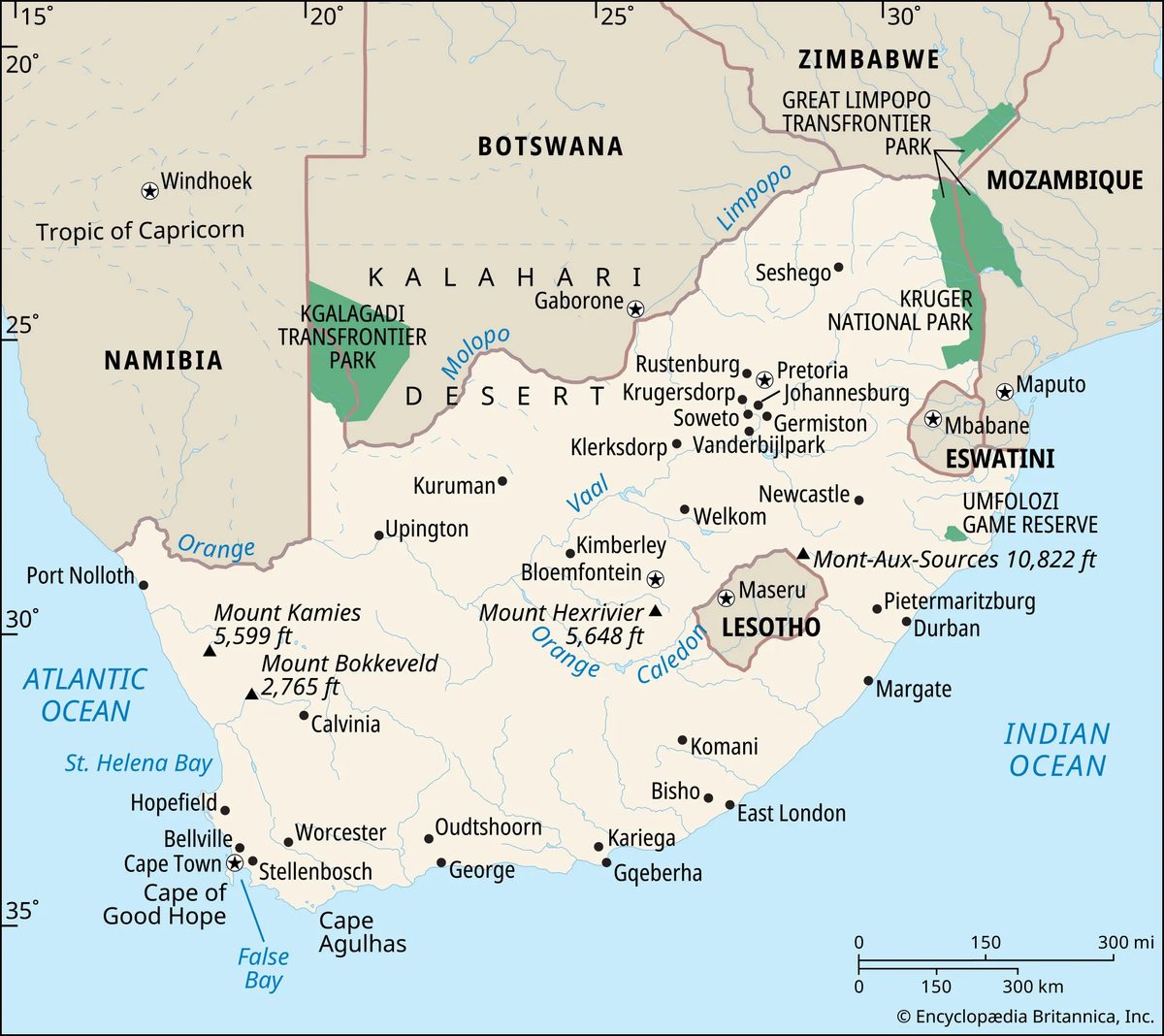
South Africa. It is the southernmost country on the African continent, a place where three capitals hold power and history feels heavy in the air. If you are planning a trip, know this: the Republic of South Africa is massive. We are talking 471,358 square miles of terrain that shifts from coastal plains to high plateaus. The population sits around 63.4 million people as of the 2026 estimates. You are not just visiting a country. You are navigating a complex mosaic of cultures, languages, and landscapes.
The geography alone demands attention. South Africa has three major zones. There is the broad interior plateau. Then there is the surrounding mountainous Great Escarpment. Finally, a narrow belt of coastal plain hugs the edges. The climate is temperate and subtropical. It is not a uniform heat. It varies wildly depending on where you stand.
Understanding the Landscape and Cost
Most travelers fly into Johannesburg or Cape Town. But the reality of moving around is different. The land is vast. You need to plan your logistics early. The currency is the rand. Budget accordingly. It is one of the world’s major producers of gold, coal, diamonds, platinum, and vanadium. That economic weight shows up in the infrastructure. Roads are generally good between major hubs. Train travel exists but is slow. Domestic flights are efficient for long hops.
Pretoria/Tshwane handles the executive branch. Cape Town hosts the legislature. Bloemfontein/Mangaung is the judicial seat. Three capitals. One country. It is a logistical puzzle that mirrors its history.
The Human Tapestry
Three-fourths of the population are black Africans. This includes the Zulu, Xhosa, Sotho, and Tswana. The remainder are mostly of European or mixed or South Asian descent. You will hear eleven official languages. Afrikaans. English. Ndebele. Pedi. Sotho. South African Sign Language. Swati. Tsonga. Tswana. Venda. Xhosa. Zulu.
English is the primary language of business and tourism. It is widely spoken in urban centers. But the cultural fabric is woven from many threads. Christianity dominates, including Protestant and Roman Catholic traditions, alongside independent Christian churches. Traditional beliefs hold strong in rural areas. Hinduism and Islam also have significant followings.
The San and Khoekhoe roamed the area as hunters and gatherers in the Stone Age. By the time of European contact, the latter had developed a pastoralist culture. It is a deep history. It predates everything else.
A Brief History You Can’t Ignore
You cannot see the sights without understanding the weight behind them. In the 14th century, peoples speaking Bantu languages had settled in the area. They developed gold and copper mining and traded with East Africa. That trade route still echoes in the market stalls of modern cities.
In 1652, the Dutch established a colony at the Cape of Good Hope. The Dutch settlers became known as Boers. Later, they were called Afrikaners for their Afrikaans language. In 1795, British forces captured the cape. The tension between these two groups defined the next two centuries.
In 1836, Dutch settlers seeking new land made the Great Trek northward. They established the independent Boer republics of Orange Free State and the South African Republic. The British annexed them as colonies by 1902 following the South African War. It was a brutal process. The scars remain.
In 1910, the British colonies of Cape Colony, Transvaal, Natal, and Orange River were unified into the new Union of South Africa. It became independent and withdrew from the Commonwealth in 1961.
Apartheid and Freedom
Throughout the 20th century, South African politics were dominated by the question of maintaining white European supremacy over the country’s black majority. In 1948, South Africa formally instituted apartheid. It was a system of institutionalized racial segregation and discrimination.
It changed the landscape physically. Townships were built far from city centers. Resources were hoarded. The world watched.
Faced by increasing worldwide condemnation, it began dismantling the apartheid laws in 1990. In free elections in 1994, Nelson Mandela became the country’s first black president. A permanent nonracial constitution was approved in 1996 and promulgated in 1997. It is a story of resilience. You will see