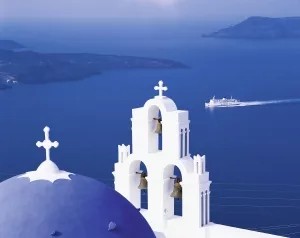
The blue water hasn’t changed. The ancient ruins are still there, standing stubbornly against the wind. For years, Greece was the go-to destination for German travelers seeking sun, sea, and history. But something shifted.
Over the past three years of the Euro crisis, the flow of tourists from Germany has slowed significantly. Many have turned away, wary of economic instability or simply choosing safer, more predictable destinations. It’s a understandable reaction. Uncertainty makes people pull back.
But here’s the thing: Greece needs you.
The country is facing a financial squeeze. Tourism is one of its few reliable lifelines. Every hotel booked, every meal eaten, every taxi ride taken keeps the economy moving. Without those arrivals, the impact is felt immediately. In a place where hospitality is woven into the fabric of daily life, empty restaurants and closed shops send a clear message. The crisis isn’t just numbers on a screen. It’s people.
So why are so many Germans hesitating? Fear is a big part of it. News cycles often focus on debt, austerity, and strikes. They don’t highlight the fact that the islands are still warm. The food is still fresh. The history is still waiting.
Visiting now isn’t about risking your safety. It’s about recognizing a moment where your presence matters more than it might in boom times. You’re not just a tourist. You’re a contributor. You’re helping sustain a culture that has survived empires, wars, and economic collapses before.
How do you navigate this shift? It starts with understanding what’s actually happening on the ground. The crisis has had effects, yes. But it hasn’t erased Greece. It has, in some ways, made it more resilient. More resourceful. More welcoming to those who show up.
The question isn’t whether you should go. It’s how you choose to go. With respect. With awareness. With an eye for the details that make Greece unique, not just the postcard views.
Because the truth is, the Greece you see in headlines is not the Greece you experience. One is abstract. The other is real. And it’s waiting for you to arrive.
The water shifts from turquoise near the shore to a deeper, darker blue just a few hundred meters out. It’s a sharp contrast against the cloudless, bright sky above. A thin, white line of fine sand hugs the coast of Kassandra, occasionally broken by steep cliffs. This peninsula is one of three “fingers” jutting into the Mediterranean from the Chalkidiki peninsula in northern Greece. Kassandra itself is narrow—only about ten kilometers wide—but stretches fifty kilometers long.
Inside the pine forests lining the beach, crickets chirp in swarms. A gentle breeze cuts through the heavy Greek heat, offering a small mercy. It is hard to imagine people living here daily feeling anything but lucky. Yet, the debt crisis gripping Greece has reached even these picturesque coastal villages. The tourism industry is shifting, and travelers need to know how to navigate it.
Why Kassandra Matters Right Now
This region is often overlooked by international tourists who flock to the more famous Sithonia finger or the mainland-accessible Mount Athos area. But Kassandra offers something different. It is accessible. You can drive or take a bus from Thessaloniki without needing a ferry. For travelers asking “where to go in Greece if I want easy logistics and beaches,” this is the answer.
The economic situation has changed the vibe. It is no longer just a party destination for loud, budget-conscious youth. There is still nightlife, yes. But the older hotels are struggling. Some have closed. Others are looking for new life. This creates an opportunity for savvy visitors. Prices have softened in places that used to be fixed at premium rates. You can find better value if you know where to look.
When to Go
Summer is hot. Very hot. July and August bring crowds and high prices. If you want the crystal water without the crush, aim for June or September. The sea is warm enough by June to swim. By September, the air cools slightly, but the sun stays strong. May is still a bit chilly for swimming but perfect for hiking the pine trails.
What Is Actually Worth Seeing
Most people come for the beach. That is fine. But Kassandra has depth.
The North Coast: The beaches here face north. They are calmer. Better for families. The sand is fine and white. The water is clear. Posidi and Kallithea are popular spots. They have amenities. Restaurants. Loungers. If you want convenience, start here.
The South Coast: This side faces the open Aegean. It is wilder. The waves are bigger. The scenery is more dramatic. Cliffs drop into the sea. Fewer facilities. More solitude. If you prefer nature over convenience, drive south.
Mount Kyllini: Inland, you will find olive groves and small villages. This is where the locals live. The tourism is quieter here. You can buy honey. Cheese. Olives. It is a reminder that this is a working landscape, not just a resort.
Logistics and Costs
Getting there is easy. From Thessaloniki airport, buses run regularly. The ride takes about an hour and a half. It is cheap. Taxis are available but cost more. Renting a car gives you freedom. It is worth it
The air in Afitos smells of salt and old stone. It is a quiet rhythm, broken only by the clatter of cutlery from the terrace. Kostas Filipidis wipes his hands on his apron and smiles. He is thirty-one. Beside him, his sister Evgenia counts receipts. They run a small pension here, on the Kassandra peninsula, in a village that tourists used to love for its preserved Byzantine architecture.
“We are sold out,” Kostas says. “Lucky us.”
The logic is simple. Their guests are foreign. The Greeks who used to flock here from nearby Thessaloniki have stayed home. In the third summer of the crisis, the budget does not stretch. Eighty kilometers of driving. Gas prices that spike daily. Room rates that feel like a luxury. So the streets of Afitos echo with Russian, Bulgarian, and English. You rarely hear Greek anymore.
The German hesitation
There is another language fading from the resort towns. German.
It is not just about money. It is about fear. The financial turmoil in Greece has pushed many German travelers toward safer bets: Spain, Italy, Turkey. The anxiety is palpable. Fears of flight attendant strikes grounding planes. Empty ATMs. Hotels declaring bankruptcy mid-stay. These are the nightmares that drive tourists away.
Warnings from travel experts and lawyers fueled these fears in the spring. TUI, the massive tour operator, advised carrying cash in May. Why? Because if Greece left the Euro, there might be a shortage of Drachmas. They warned against booking ferries or flights with Greek companies too early. What if the company ceased operations? The German Foreign Office advised keeping a distance from crowds and protests.
But there was a deeper, uglier layer to the hesitation. Media reports had shifted the mood. German tourists feared they were unwelcome. They saw images of burning German flags at demonstrations. They saw photoshopped posters of Angela Merkel in Nazi uniforms. It looked like hostility. It looked like the austerity measures demanded by Berlin had turned the Greek people against their northern neighbors.
“It is nonsense”
Kostas shakes his head. He has no patience for the political narrative bleeding into his kitchen.
“This is nonsense,” he says. “We know the difference between politics and people.”
He remembers the Germans who used to come. The families. The regulars. He says there is no resentment. The hospitality remains. The crisis has changed the economy, but it has not changed the host.
The economic reality
Greece needs the tourists. It needs them desperately. Tourism accounts for 16.5% of the country’s gross domestic product. According to SETE, the Greek tourist association, it is the largest industry. Nearly 768,000 Greeks depend on it, directly or indirectly. That is 6.8% of the population.
Low bookings are a blow. The damage is uneven. The Cyclades, the Peloponnese, and Central Greece saw up to 40% fewer foreign bookings. Regions further from Athens fared better. Crete. The Dodecanese. Northern Greece. No region saw an increase. But the losses were smaller where the political pressure felt less acute.
Discounts and recovery
To fill rooms, prices dropped. German tour operators slashed rates by up to 30%. They wanted late bookers. They wanted bodies on the beach.
It worked. By mid-July, Thomas Cook announced a rise in Greek bookings. Peter Fankhauser, the head of Thomas Cook Germany, explained the pattern. Bad news? Bookings fall. Quiet? Bookings rise. The market responds to headlines, not just reality. The vote in June to stay in the Eurozone helped calm the nerves. The currency was safe. The hotels were open.
The oracle remains silent. But the sea is still blue. The stones are still warm. And somewhere in Afitos, a guest is checking in.
Walking Through the Echoes of Apollo
The ruins of the Oracle of Delphi cling to the high slopes of Mount Parnassus on the Greek mainland, rising above endless olive groves. If you walk among the ancient columns today, you might catch a few other travelers doing the same. You can feel the weight of history here. For two millennia, this sanctuary of Apollo was a place where people sought answers from the impossible.
Imagine if priestesses were still falling into trances, still speaking in riddles to answer urgent questions. Would they know when Greece’s economic troubles finally ease? Probably not. The oracle is silent now. But that silence doesn’t make the site less valuable. In fact, visiting Delphi feels more urgent than ever. It serves as a stark reminder that this small country, battered by crises, once held a different kind of power. A different era.
The Reality of Traveling in a Crisis-Torn Country
The debt crisis has changed the economic landscape, but it hasn’t stopped the sun. The Mediterranean remains a brilliant, indifferent blue. The heat falls on the land with the same intensity it did centuries ago. Watermelons are still juicy. They still taste sweet.
These sensory details matter. They ground the experience in the present. You are not just looking at dead stones. You are eating fruit under a warm sky. There are countless reasons to spend a few weeks in this historically rich land, despite the headlines. The contrast is striking. The beauty is real.
Why Visit Greece Now?
Travelers often ask if the economic turmoil affects the quality of a trip. It does, but not in the way you might fear. Infrastructure holds. Hospitality remains deep-rooted. The cost of entry has shifted, making some aspects more accessible while others require more planning.
The key is to look beyond the political headlines. Focus on the physical reality of the place. The air is clear. The light is sharp. The ancient sites stand as they always have. They do not care about stock markets. They only care about time.
When you stand in Delphi, you are standing in a place where the world used to turn. That perspective is hard to find elsewhere. It forces you to slow down. To look at the mountains. To taste the food. To accept that some things remain constant while others change.
Greece is still Greece. The sea is still blue. The sun still shines. The question is not whether to go, but whether you are ready to see it clearly. Without the filter of crisis. Just stone. And sea. And history.