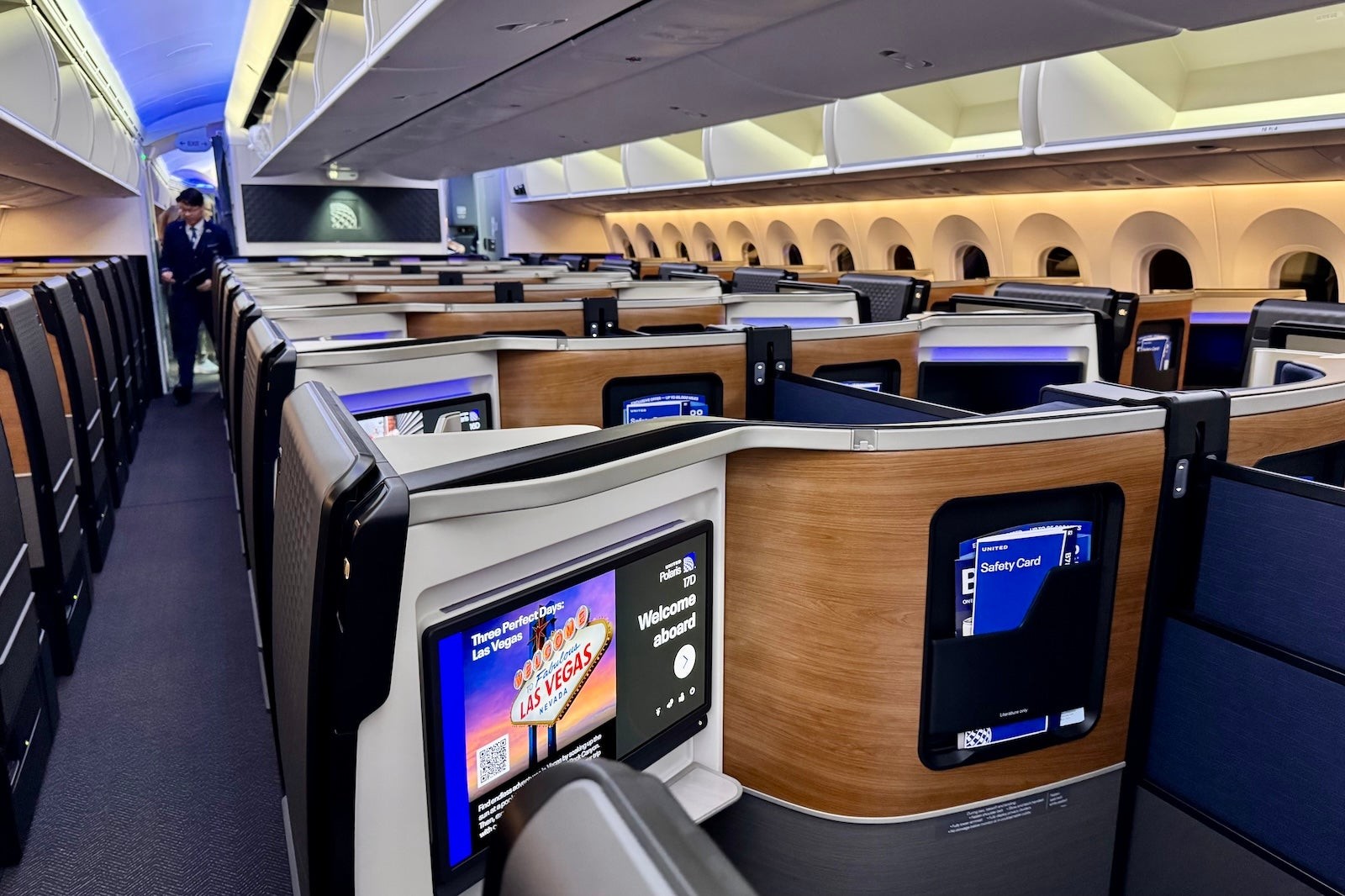
United Airlines has officially launched its most ambitious bet on the premium travel market. The airline’s new “Elevated” Boeing 787-9 Dreamliner recently completed its maiden transpacific voyage, flying from San Francisco (SFO) to Singapore (SIN), signaling a major shift in how the carrier intends to compete for high-spending international travelers.
This move is part of a broader industry trend: as long-haul travel rebounds, major carriers are moving away from mass-market density and toward high-margin, luxury-focused cabins to compete with rivals like Delta Air Lines.
A New Standard for Business Class: The Polaris Studio
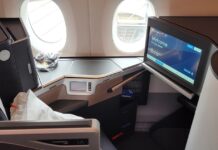
The centerpiece of the redesigned aircraft is the introduction of the Polaris Studio. While United has long offered Polaris business-class suites, these new “Studio” pods represent the pinnacle of the airline’s luxury offerings.
Key features of the Polaris Studio include:
– Enhanced Privacy: The suites feature sliding doors designed to create a private sanctuary (though currently held in the “open” position pending regulatory certification).
– Premium Tech: Each pod is equipped with a massive 24-inch 4K screen, Bluetooth-ready headphones, and ample charging ports.
– Luxury Amenities: Passengers receive Saks Fifth Avenue bedding, Perricone MD amenity kits, and high-end lounge wear.
– Flexible Seating: The configuration includes “buddy seats” for dining with a companion and middle suites that can be converted into a double bed for couples.
A Reimagined Cabin Hierarchy
The “Elevated” Dreamliner is not just about the front of the plane; it is a complete overhaul of the passenger experience. The aircraft’s layout is heavily skewed toward premium travelers, with 99 of its 222 seats dedicated to business class and premium economy.
The cabin breakdown is as follows:
– Polaris Studios: The ultra-luxe tier for maximum comfort.
– Next-Gen Polaris: Standard business-class suites featuring privacy doors.
– Premium Economy: An upgraded middle tier for travelers seeking more space than coach.
– Economy: Featuring the largest seatback screens currently available in a coach cabin on any airline.
To further enhance the premium experience, United has introduced an on-board snack bar available to Polaris passengers, providing a convenient way to grab refreshments during ultra-long-haul flights.
The Dining Experience
United appears to be addressing years of criticism regarding its in-flight catering. On the inaugural flight, the service included:
– Gourmet Starters: Caviar paired with Laurent-Perrier Cuvee Rose.
– Exclusive Menus: Specialized dishes like ricotta gnudi, available only to Studio passengers.
– Customization: A “build-your-own” wine flight and on-demand midflight tapas.
Growing Pains: Connectivity and Certification
Despite the luxury upgrades, the inaugural flight highlighted two significant hurdles common to new aircraft rollouts:
- Connectivity Issues: The aircraft currently relies on older, unreliable Panasonic Wi-Fi. United is working to replace this with Starlink satellite service, which is expected to be rolled out across its twin-aisle fleet this summer.
- Regulatory Delays: While the new Polaris suites feature privacy doors, they are currently locked in the “open” position. This is a common bottleneck as airlines wait for safety certifications from aviation authorities—a challenge recently faced by American Airlines as well.
How to Fly the “Elevated” Experience
Travelers do not need to fly to Singapore to experience this new cabin. United is expanding the fleet rapidly, with plans to have 20 Dreamliners featuring the new layout by the end of the year. The aircraft is also set to debut on routes to London Heathrow (LHR) shortly.
For those looking to secure a Polaris Studio, the most effective strategy is to book a standard Polaris suite and then pay for the specific upgrade to the Studio pod.
Conclusion
With the launch of the “Elevated” Dreamliner, United is making a decisive move to reclaim its footing in the luxury long-haul market. While technical teething issues remain, the investment in high-end hardware and upgraded service marks a significant evolution in the airline’s global strategy.