


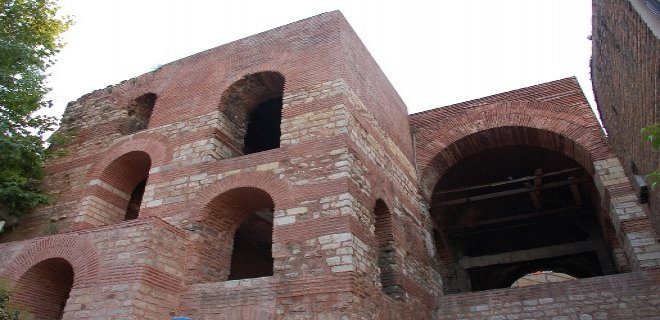
You are standing in the shadow of Byzantium, but you are not listening to history lessons. You are listening to a cello or a jazz quartet. Fildamı Sarnıcı sits quietly in Istanbul, a structural relic from the 5th and 6th centuries that has swapped its original job for a new one. It is not a grand stage. It is a underground space with acoustics that make sense.
The math on the timeline is simple. Built during the Byzantine era, specifically between the 5th and 6th centuries, this cistern sat dormant for centuries. It was not a museum. It was not a tourist trap. It was just… there. Then, in 1996, the city decided to use it. The transformation was not about renovation for sightseeing. It was about sound. Since 1996, Fildamı Sarnıcı has operated as a concert venue.
Why This Underground Venue Works for Live Music
The architecture does the heavy lifting. You do not need a sound engineer to tweak the reverb every night because the stone walls handle the resonance. This is a low-capacity room. The intimacy is the point. When a band plays here, the distance between the performer and your ear is minimal.
Think about the logistics for your trip. You are not queuing for hours. You are not fighting for a seat in a 20,000-person arena. This is a niche experience. If you want to see a local artist or a specific international act in a space that feels like a secret, this is the spot. The cistern itself is a historic artifact, but its current function is cultural.
Practical Details for Visiting the Site
You cannot just walk in and see it. Access is tied to ticketed events. The venue has hosted numerous artists since its conversion in 1996. The specific lineup changes, so you need to check current event listings rather than assuming a permanent exhibition.
- Timing : Check for evening concerts. This is a night-time venue.
- Location : Istanbul. It is accessible, but do not drive if you can avoid it. Public transport is the smarter move.
- Cost : Ticket prices vary by artist. Do not budget for a museum entry fee. Budget for a live performance ticket.
The contrast is stark. A 1,500-year-old water reservoir hosting modern music. It is not a seamless blend. It is a juxtaposition that works. The stone is old. The sound is new. That is the experience you are buying into.
The acoustics of Fildamı Sarnıcı are not designed for a symphony hall. They are designed for the stone to sing back.
Is the space small? Yes. Is it perfect for a massive rock festival? No. But for a singer-songwriter, a chamber orchestra, or an indie band, the environment is ideal. You are not just attending a show. You are standing in the footprint of the Byzantine Empire while the music plays. That context adds a layer to the performance that a modern theater cannot replicate.
Do not expect a gift shop. Do not expect a guided tour with
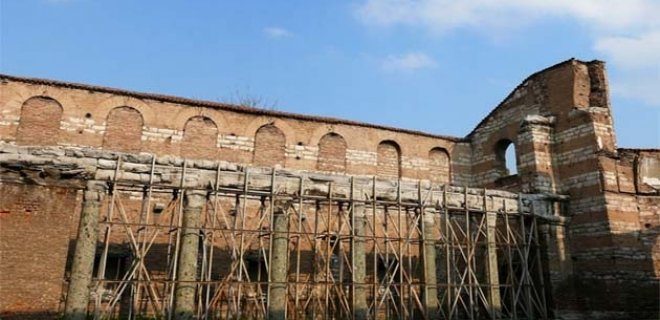
The Magnaura Palace: Where the Senate and University Took Over
Stop for a second. Look at the building next to the Hagia Sophia. Most tourists walk right past it. They’re hunting for the dome. They’re snapping pics of the crenellations. But that massive, imposing block of stone is the Magnaura Palace.
It wasn’t always a school. It wasn’t always a government office. For centuries, it was the administrative heart of the Byzantine Empire. The scale is brutal. It’s one of the largest secular structures left standing in Istanbul. When you see it, you realize “palace” is a bit of an understatement. It’s a fortress dressed in stone.
What Happened to the Palace Walls?
The building changed roles. That’s the key.
- Byzantine Era: The Magnaura was the center of imperial administration. Emperors held court. Senators met. It was the nerve center.
- Ottoman Era: The function shifted. The building became part of the topographic and military infrastructure.
- Modern Era: It transformed again. Today, it houses parts of Istanbul University and the Turkish Grand National Assembly (Senate).
You’re literally walking past a building where students study next to where politicians work, all within the walls that once hosted Byzantine emperors.
Why the Magnaura Matters for Your Itinerary
If you’re in the Sultanahmet district, you’re already near it. But do you know what you’re looking at?
- Location: Right on the edge of the Hippodrome, near the Hagia Sophia.
- Cost: Free to look at. You don’t need a ticket to stand outside and feel the weight of the history.
- Best Time to Visit: Early morning. The light hits the stone blocks differently. The crowds are thin. You can actually read the inscriptions.
How to Spot It
It’s easy to miss if you’re distracted by the Blue Mosque or the Basilica Cistern.
- Walk north from the Hagia Sophia main entrance.
- Keep the Hippodrome obelisks on your left.
- The massive, rectangular structure with the flat roof and minimal ornamentation compared to the mosques? That’s it.
It looks stark. It looks institutional. It doesn’t look like a “tourist spot.” That’s exactly why you should stand there.
The Senate vs. The University
Which part is open?
Currently, the Senate (Grand National Assembly) uses a significant portion of the complex. Access is restricted. You’re looking at the exterior.
Istanbul University uses other sections of the building. If you’re planning a trip during the academic year, you might see students in the courtyards. It’s a living building. It’s not a museum. It’s working infrastructure.
This is the difference between a ruin and a relic. The Magnaura isn’t rotting. It’s serving a purpose. The stone is still bearing weight.
Comparison: Magnaura vs. Hagia Sophia
People ask if the Magnaura is worth visiting compared to the Hagia Sophia.
- Hagia Sophia: Interior is stunning. Religious history. Architectural

Navigating the Istanbul Air Force Museum
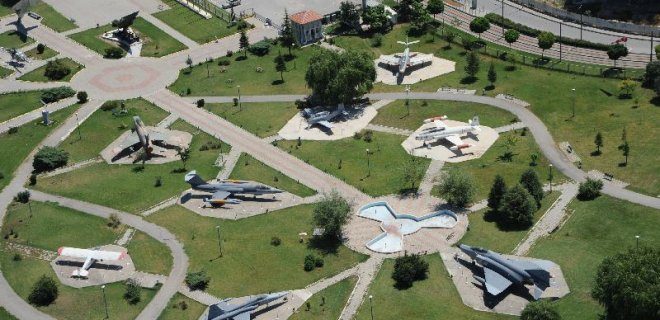
The Istanbul Air Force Museum isn’t the first stop for most tourists, but it holds a specific kind of weight for aviation history buffs. Opened in 1985, it sits quietly, offering a direct look at military aviation without the glossy polish of commercial air shows. You walk in, you see the steel, the rivets, the history.
The collection centers on aircraft and helicopters. These aren’t just static props. They represent decades of Turkish aerial strategy and engineering. The physical presence of the machines is the main draw. You can see the scale, the wear, the mechanical complexity up close.
What’s Inside the Memory Hall
The Anılar Salonu, or Memory Hall, is where the narrative deepens. This section displays artifacts and weaponry that left marks on aviation history. It’s not just about planes here. It’s about the context. The tools, the instruments, the defensive systems.
Visitors looking for specific details will find this area distinct from the main hangar. The items on display tell the story of how these machines were operated and maintained. It’s a quieter, more reflective part of the visit.
For travelers planning a trip to Istanbul who want more than just Hagia Sophia and the Bosphorus, this museum offers a different angle. It’s a place to understand the technological and strategic layers of the city’s past. The cost is minimal, the logistics are straightforward, and the experience is grounded in fact.
Does it replace a day at the Galata Tower? No. But it fills a gap in the itinerary for those who appreciate machinery, military history, and the specific timeline of Turkish air power. The museum doesn’t shout. It simply presents what it has. And for the right visitor, that’s enough.
Yeşilköy Feneri: The 1856 French Lighthouse You Miss on the Marmara Side
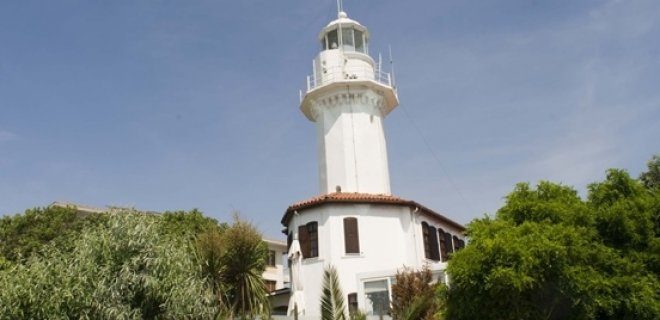
You’ve probably driven past it a hundred times without noticing. The Yeşilköy Feneri sits quietly on the coastline, a 23-meter tower built by French engineers back in 1856. It’s not the massive, modern structures you see in ports today. This is stone, weathered, and distinctly old-school.
How to Identify the Historical Yeşilköy Lighthouse
If you’re heading to the Marmara side of Istanbul, specifically the Yeşilköy neighborhood, look for the structure that locals still call Ayastafonos. That’s its historical name, derived from its original function and location near the Saint Stephen church. The shift from Ayastafonos to Yeşilköy Feneri is a good example of how place names evolve as neighborhoods develop, but the tower itself hasn’t changed much since the mid-19th century.
Why does the French origin matter? Because the engineering behind it. 1856 was a specific era for lighthouse construction, favoring durability over ornate decoration. The result is a stark, vertical presence that contrasts sharply with the low-lying terrain around Yeşilköy.
What Makes the Architecture Stand Out
It’s 23 meters high. That’s significant when you consider the scale of the surrounding area. The design is functional first, but the masonry work holds up well against the sea wind. When you walk up close, you can see the texture of the stone, the way the light hits the upper galleries. It’s a reminder that coastal infrastructure in Istanbul wasn’t always just about traffic management; it was about guiding ships into a complex, shallow waterway where visibility could drop fast in fog.
Where to Find It and What to Expect
You’ll find it in the Yeşilköy district, part of the broader Marmara coast. Getting there is straightforward: take the Marmara Ring Road and look for the coastal access points near the lighthouse entrance. There’s no grand museum, no ticket booth. It’s a public space, often used by locals for walks and fishing.
Is it worth a detour? If you’re looking for a quiet spot away from the tourist crush of the Bosphorus, yes. The view from the top (if accessible) or even just from the base gives you a clear line of sight across the Marmara Sea. The light itself isn’t as dramatic as the modern electronic beacons, but there’s a certain authenticity to it.
Comparing Yeşilköy Feneri to Other Istanbul Lighthouses
Most people know the Maiden’s Tower (Kız Kulesi) or the lighthouse at the Golden Horn entrance. Those are heavily touristed, often crowded, and tied to specific historical narratives that can feel distant. Yeşilköy Feneri is different. It’s not a postcard. It’s a working piece of infrastructure that has aged into the landscape.
| Feature | Yeşilköy Feneri | Kız Kulesi |
|---|---|---|
| Build Year | 1856 | 1832 (current |
Florya Atatürk Deniz Köşkü: Why this seaside villa matters
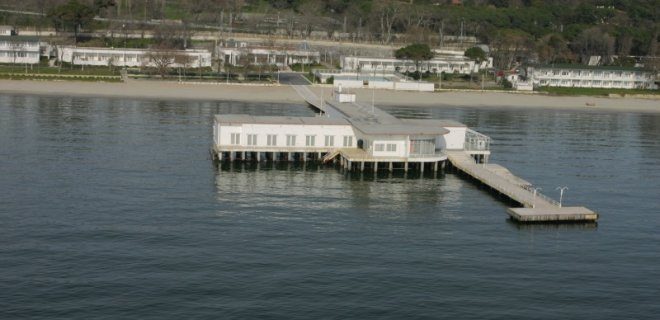
You’re in Bakırköy, specifically Florya, where the Bosphorus wind cuts through the summer heat. Florya Atatürk Deniz Köşkü sits right on the water’s edge. It’s not the biggest museum you’ll visit in Istanbul, but it hits different.
Atatürk loved this spot. He used it as his summer retreat. The local mayor at the time built the structure and gifted it to him directly. That personal connection is why the building holds such weight. It wasn’t just a state property; it was his home away from home.
In 1988, the doors opened to the public. Now it’s a museum. The layout preserves the original feel of a private residence. You walk through rooms that held his life away from Ankara.
How to see it:
The location is accessible from Bakırköy. It’s a quick stop. The interior shows personal items and the architectural style of the early 20th century. Because it was a gift, the provenance is clear. No ambiguity about ownership or purpose. It was his.
Why does a traveler care? Because it strips away the monumental scale of other Atatürk sites. This is intimate. It’s about where he relaxed, where he watched the water. The building stands where the sea meets the land in Florya.
Timing is flexible. It’s a small venue. You don’t need half a day. Twenty minutes is enough to absorb the vibe. Pair it with a walk along the Florya coast.
“Atatürk loved the Florya neighborhood, so he used it as a summer residence.”
The gift from the mayor anchors the history. 1988 marks the transition to a public museum. The details are sparse in some sources, but the core remains: a private gift, turned public memory.
Is it worth the trip from central Istanbul? If you’re already in Bakırköy, yes. It’s a quiet counterpoint to the bustle. The sea is right there. The architecture is modest but significant. You’re not just looking at a building. You’re looking at a specific moment in time, preserved in wood and stone.
Check local opening hours before you go. Small museums can close unexpectedly. But when it’s open, the silence inside contrasts with the waves outside. That’s the real draw. Not the crowds. The quiet.
Where to find the Surp Stepanos Armenian Church
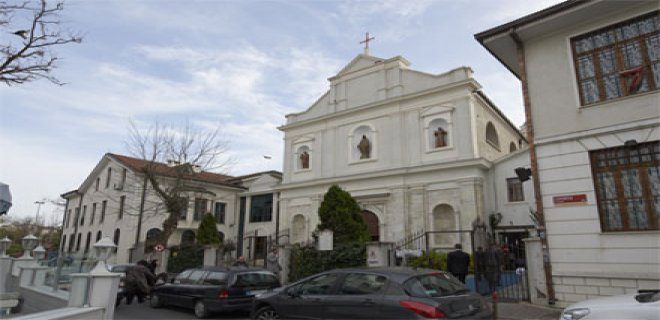
You won’t stumble onto this place by accident. It sits tucked inside Yeşilköy, a neighborhood in the Bakırköy district. If you are asking how to get to Surp Stepanos Armenian Church, start by navigating to Yeşilköy. It is not on the main tourist circuit, which is exactly why it works. The silence there contrasts sharply with the noise of the city center.
This structure has stood since 1826. That is a long time to keep a roof over a congregation. The stone has weathered, but the intent remains clear.
Why this spot matters for foreign travelers
Why do people make the effort to go here? The answer is atmosphere. It is a quiet anchor in a shifting city. Surp Stepanos Armenian Church serves as a rare window into the historical religious fabric of Istanbul that doesn’t require a guidebook.
- Location : Yeşilköy, Bakırköy
- Construction Date : 1826
- Status : Active site for foreign visitors seeking off-beat history
The architecture is understated. It does not shout for attention like the major domes near the Bosphorus. It just exists. That is its strength. You can walk around the perimeter, absorb the quiet, and understand a piece of the city’s layered past without the crowds.
If you are planning your route through Bakırköy, do not skip this. It is the kind of place that rewards the slow traveler. The logistics are simple: get to Yeşilköy, find the church, stand there for a moment. The history is heavy, but the experience is light.
Practical details for your visit
There are no strict rules about timing, but early morning or late afternoon light hits the stone best. The area is walkable. You do not need a car, though parking can be tricky if you are driving from the center.
Is it worth the trip? Yes, if you are looking for depth over spectacle. It is not a monument. It is a memory made of stone. And in a city that never stops moving, that kind of stillness is rare.
Where to Find Vintage Camera History in Bakırköy
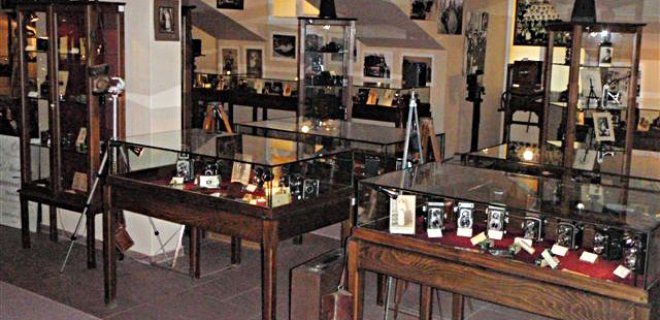
You will find the Hilmi Nakipoğlu Fotoğraf Makineleri Müzesi tucked away on Osmaniye Caddesi in the Bakırköy district. It is a small stop. Do not let the modest exterior fool you. Inside, the collection covers a wide span of photographic technology. The oldest machines on display date back to 1896. These early models sit alongside other distinct camera types. The museum focuses specifically on the evolution of photographic equipment.
If you are traveling with a group of photography enthusiasts, this is a niche but rewarding experience. The space allows for a focused look at the history of the medium without the distraction of broader art. You can wander through the exhibits at your own pace. The lighting is suitable for viewing delicate mechanical parts.
Visitor Hours and Practical Details
The museum operates on a straightforward schedule. It welcomes visitors every weekday from 09:00 to 17:00. There are no weekend hours listed. Plan your visit accordingly if your trip involves Monday through Friday travel.
- Location: Osmaniye Caddesi, Bakırköy
- Focus: 1896-era machines and various camera types
- Hours: Weekdays only, 09:00–17:00
The location is accessible if you are already exploring the Bakırköy area. It fits well into a morning routine. You can visit early to avoid potential crowding, though the museum tends to be quiet. Bring a camera yourself if you want to take photos of the old cameras. The contrast between modern lenses and 19th-century shutters is striking.
Who Should Visit This Camera Museum?
This is not a destination for casual tourists seeking grand vistas. It is for those with a specific interest. Photographers, historians, and tech enthusiasts will find genuine value here. The collection provides concrete examples of how image capture changed over time. You see the physical weight of early devices. You observe the intricate mechanics that powered them.
Is it worth detouring your itinerary? If you love photography, yes. The depth is surprising for a local museum. It connects to the broader story of visual documentation. You leave with a better understanding of the tools that shaped how we see the world. The experience is intimate. The staff knows the collection. Ask questions. The answers often lead to unexpected details about the machines’ origins.
The museum closes at 17:00. Arrive by 16:00 to give yourself adequate time. The visit is short. It fits easily into a half-day plan in Bakırköy. Combine it with a walk along the nearby streets. The area has character. The museum adds a layer of historical context to your day.
The final stretch: packing up and leaving
You’re done. The last meal is digested, the last street corner explored. Now comes the part nobody plans for well: getting out.
Check the hotel checkout time. 11:00 AM is the standard, but some boutique places in older quarters might say 12:00. Ask. If you’re tight on time, drop your bags at the front desk. They’ll hold them. No charge. Don’t argue about it. Just ask.
How to handle luggage without losing your mind
Don’t carry a giant suitcase through a narrow old town. It’s a nightmare. Use a daypack for essentials. If you must roll a bag, use a trolley. But seriously, consider checking your main bag at the hotel and going light for your final walk. You’ll move faster. You’ll breathe easier.
Where do you leave the extras? The hotel lobby. Always. If you’re in a transit-heavy city, maybe the train station has a left-luggage service. Fees range from €5 to €10 per day. Cash only, usually. Keep your receipt. You’ll need it to claim your bag later.
Where to go next: from the station to the world
Your transport ticket is ready. If it’s a train, you’re likely heading to the main central station. Allow 20-30 minutes to walk there if you’re not adjacent. Check the platform number. European trains change platforms. Watch the displays. Don’t trust your initial ticket if the board says otherwise.
Flights? Allow two hours minimum for domestic, three for international. Security lines can be brutal. Wear slip-on shoes. Keep liquids in a clear bag. Know where the toilets are before you line up.
Why you should book your next destination before you leave
Here’s a trick. While you’re still in the city, while the WiFi is strong, book your next lodging. Even if it’s just a hostel in the next town. You’ll have a place to crash if your travel falls through. It’s insurance. It’s peace of mind. Prices for last-minute bookings spike. A €60 room tonight becomes €120 tomorrow. Don’t be that person.
The reality of the journey home
You’re not just going back to work. You’re carrying a different version of yourself. The one who navigated without a map. The one who ate the weird thing at the counter. That person is real. Don’t let them fade before you get back to your apartment.
Take one photo. Just one. Of the street. Of the light. Of the specific spot where you stood and felt something shift. Save it. Put it on your phone’s home screen. Let it be there when you’re scrolling through emails next week.
The trip ends. The city doesn’t. It stays in the folds of your clothes, the salt on your skin, the slight ache in your legs. You leave with more than you brought. You always do.


