


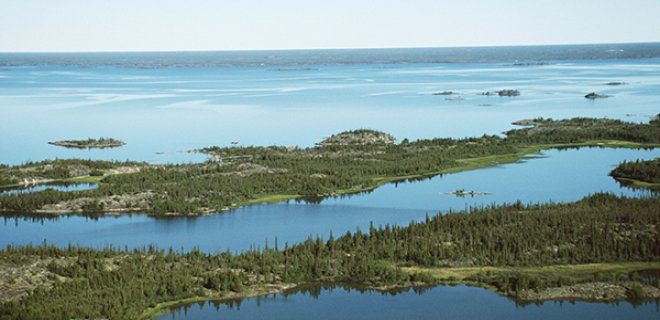
Tucked in the northwest corner of Canada, the Great Slave Lake is not just another body of water. It is massive, intimidating, and absolutely stunning. Covering 28,750 square kilometers, this saline lake dwarfs most lakes you’ve ever seen. And it is not shallow. In some places, the depth plunges past 600 meters. That is deeper than the Grand Canyon is wide in spots.
The water eventually feeds into the Mackenzie River, creating a complex ecosystem. Strange as it sounds for such cold, salty water, a few fish species do survive here. But the real draw isn’t the fish. It’s the islands.
Scattered across the surface are countless small islands. These rocky outcrops have transformed Yellowknife into one of Canada’s top tourist destinations. You cannot visit the region without seeing them. The landscape feels otherworldly. Ancient rock formations meet deep blue water. It is raw nature.
Why Great Slave Lake Belongs on Your Itinerary
If you are planning a trip to the Northwest Territories, this lake should be central to your plans. It offers a chance to see a wilderness that feels untouched. The scale alone is enough to humble you.
Travelers often ask where to start. Yellowknife is the gateway. From there, you can take boat tours to the islands. The views are breathtaking. The silence is heavy. It is a perfect backdrop for photographers and hikers alike.
What to Expect When Visiting
The sheer size of the lake means logistics matter. You need to plan your transit carefully. Ferries and small planes connect many of the islands to the mainland. The cost can vary depending on the season and the tour operator. Generally, expect to pay for guided excursions if you want to reach the most remote spots.
Timing is everything. Summer brings long days and mild temperatures. Winter turns the lake into a frozen expanse, perfect for ice fishing and snowmobiling. But the islands are less accessible then. Most visitors prefer the warmer months.
The Unique Geography of the Region
The lake’s geography is complex. It is not a simple basin. The shorelines are jagged. The islands create a maze of channels. This complexity makes navigation tricky. It also makes the scenery incredibly varied. One moment you are looking at open water. The next, you are surrounded by towering cliffs.
The connection to the Mackenzie River is vital for the ecosystem. It brings nutrients. It affects the water chemistry. The salinity levels fluctuate. This creates unique habitats for the few fish species that call this place home.
How to Make the Most of Your Trip
Don’t just look from the shore. Get on the water. The perspective changes everything. The islands look different from a boat. The light hits the water differently. The sounds of nature become more pronounced.
Guided tours are available through Yellowknife. They offer safety and context. You learn about the geology. You hear stories about the indigenous history of the area. This adds depth to the visual experience.
Booking in advance is wise. The tourist season is short. Demand can spike. If you miss the window, you might have to wait a full year.
Is Great Slave Lake Worth the Detour?
Absolutely. It is not a typical vacation spot. It requires effort
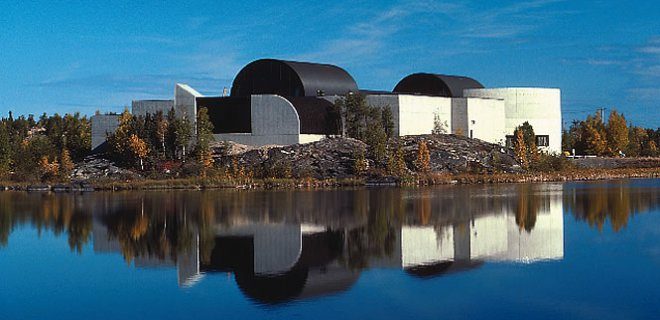

The Prince’s Palace of Northern Wales Heritage Centre isn’t just a dusty archive. It’s a high-tech hub where the region’s fragmented history gets stitched back together. If you’re digging into the roots of the northwest lands, this is the place to start.
The concept was hatched in the early 1950s. Construction didn’t follow through until 1963. That gap tells you something about the region’s priorities then—slow to build, but thorough once started. Today, the center covers the culture and history of the northwest territories with a modern twist.
You won’t be staring at static plaques. The facility uses high-tech displays to give you context for almost everything that happened in the area’s past. It’s immersive. You walk in, you get oriented, and then you start seeing how the pieces fit.
What to expect inside
The exhibits focus heavily on the northwest territories. If that’s your target zone, the general historical overview here is essential. It fills in the blanks before you hit the actual ruins or towns.
The technology isn’t just flashy. It’s functional. You get different experiences based on how you interact with the displays. It’s not passive. You have to engage. That’s where the value lies. You walk away with a clearer picture of who lived here and why it matters.
Wildcat Cafe
Right next to the heritage site, or nearby enough to matter, is the Wildcat Cafe. You’ll need fuel after processing all that history. It’s a practical stop. Not a gourmet destination, but a solid refuel point for travelers moving between sites.
Grab a coffee. Sit for ten minutes. Let the facts from the museum settle in before you drive to the next ruin. The northwest is vast. You need to pace yourself.
Why visit?
Most travelers skip the northwest. They stick to the coast or the big cities. But the heritage center changes the game. It gives you the “why” behind the “where.” Without it, you’re just looking at old stones. With it, you’re seeing a lived-in past.
The high-tech aspect makes it accessible for all ages. You don’t need a PhD in local history to get it. The displays guide you.
Logistics
It’s a single afternoon stop. Maybe two if you’re really digging into the archives. Don’t rush. The tech works best when you take your time. Pair it with a visit to the nearby ruins for maximum impact.
The Wildcat Cafe is your pre- or post-visit pit stop. Keep it simple. Eat. Rest. Plan the next leg.
The takeaway
The center bridges the gap between raw history and modern understanding. It’s not just for academics. It’s for anyone who wants to know what they’re looking at when they stand in the northwest fields.
Go in curious. Stay for the details. Leave with a story that actually makes sense.
The rest of the region is waiting. You’ll recognize it better now.
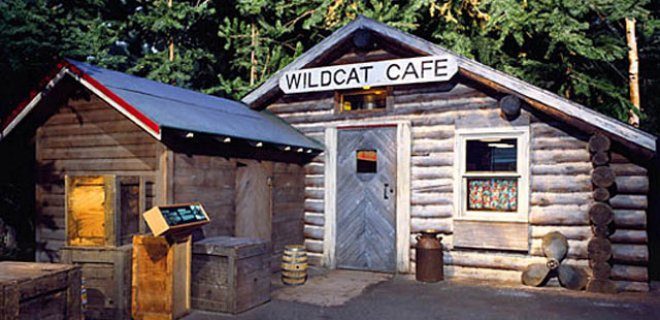
Yellowknife’ın kalbinde duran Wildcat Kafe, sadece bir yemek yeri değil. 1937 yılında açılan bu mekan, Kanada’daki en eski kafelerden biri olarak kabul ediliyor. Maden kampı estetiğiyle tasarlanmış iç mekan, sizi yıllar önceki o sert ama samimi atmosfere geri götürüyor. Tabelasıyla kolayca bulunabilen mekan, şehrin en merkezi noktasında yer alıyor.
Kafe, sahipliğini birkaç kez değiştirmiş ancak köklerine sadık kalmış. 1979 yılında restoran olarak yeniden hizmete açıldığında, bölgenin turistik noktalarından biri haline gelmiş. Zaten yerel halkın da yoğun ilgi gösterdiği bu mekan, Yellowknife gezinizin vazgeçilmez duraklarından biri olmalı.
Wildcat Kafe’yi Ziyaret Etmenin Nedeni
Peki neden bu kadar eski bir kafe? Cevap basit. Tarih.
Wildcat Kafe, Yellowknife’in altın madenciliği döneminden günümüze kadar uzanan hikayesini yaşatan nadir mekanlardan biri. İçerisindeki ahşap detaylar, eski fotoğraflar ve madenci ruhunu yansıtan dekorasyon, modern zincir restoranlarda bulamayacağınız bir samimiyet sunuyor.
Mekanın önündeki tabelası, şehrin merkezinde olduğu için kolayca fark ediliyor. Ancak dikkat etmeniz gereken bir detay var: Mekanın tam konumu ve işletme saatleri değişebiliyor. Gezi planınızı yaparken güncel bilgileri kontrol etmek akıllıca olacaktır.
Nehir Kenarında Gezinme
Yellowknife Nehri, şehrin en büyük doğal çekiciliği. Kıyı şeridi boyunca yürüyüş yapmak, gün batımını izlemek veya sadece sessizliğe kaçmak için ideal bir nokta.
Nehir, yerel halkın dinlenme alanı olarak da kullanılıyor. Yaz aylarında güneşlenmek, balık tutmak veya tekneyle dolaşmak popüler aktiviteler arasında. Kışin ise buz pateni yapmak ve donmuş yüzeyde yürümek alternatif oluyor.
Nehir kenarındaki parklar, şehir manzarasını en iyi izleyebileceğiniz noktalar. Özellikle gün batımında gökyüzünün renkleri, su yüzeyinde yansıtıldığında inanılmaz bir manzara yaratıyor.
Logistika ve Pratik Bilgiler
- Ulaşım: Wildcat Kafe, şehir merkezinde olduğu için yürüyerek ulaşabilirsiniz. Park yeri sınırlı olabilir, bu yüzden toplu taşıma veya taksi kullanmak daha pratik olabilir.
- Tarih: Mekan 1937’de açıldı. 1979’da restoran olarak yeniden açıldı.
- Atmosfer: Maden kampı tarzı. Samimi. Tarih dolu.
- Nehir: Yaz aylarında yürüyüş, balık tutma. Kışın buz yür
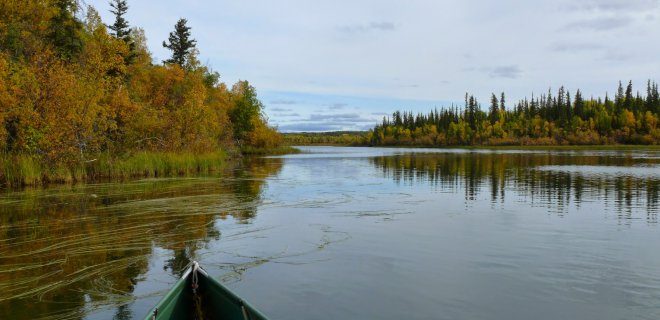
The river is twenty-five kilometers long. Yes, twenty-five. Small by global standards, but for Yellowknife, it’s everything. It flows north to south, cutting through the heart of the town like a vein.
It’s not just scenery. The Yellowknife River provides the city’s drinking water. Every glass you fill comes from this current. That makes the water heavy with responsibility. It carries trout and other species through a corridor of dense, perfect vegetation. The trees don’t just line the banks; they seem to hug the water.
For a traveler, this isn’t just a backdrop. It’s the town’s identity. The modest settlement has let this natural asset become its symbol. Nature lovers flock here specifically because the river is so central to life in the Northwest Territories. You can walk the banks. You can see where the water comes from.
North Culture and Arts Centre
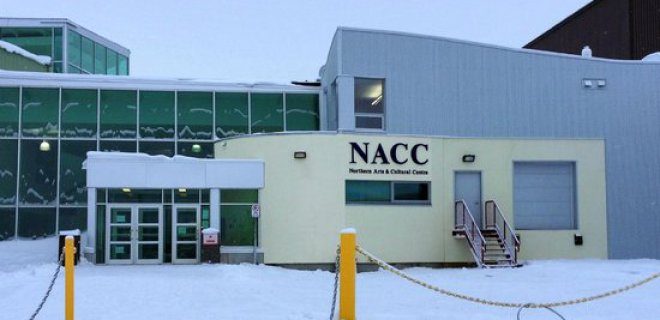
It’s not just a building. It’s a stage. In Ottawa, the NACC Arts Centre stands as a dedicated hub for applied performing arts. You aren’t walking into a sterile hall. You’re stepping into a community project. The 313-seat center has been open since 1984. That’s nearly forty years of programming.
Funding didn’t just appear. It was built by the government, foundations, businessmen, and individual donors. The goal was specific from day one: to encourage local cultural traditions. To give space to performing arts that might otherwise be overlooked. Today, it is a significant platform for both domestic and international artists.
Managed by the NACC volunteer board, the venue hosts theater, concerts, and festivals. If you are planning a trip to the National Capital Region, this is a stop you should make. It’s not on every generic itinerary, but it offers a genuine look into how the city consumes culture.
Why This Venue Matters for Travelers
Most guidebooks skip the small, volunteer-run venues. They push the big museums or the Parliament Hill tours. But the NACC Arts Centre offers something different. It is intimate. The 313 capacity means you are close to the action. There is no awkward distance. You hear the breath of the actor. You feel the vibration of the cello.
The center focuses on developing local performing arts. This isn’t about importing Hollywood blockbusters. It is about nurturing homegrown talent. For a traveler, this means supporting the local economy while experiencing authentic Canadian culture. It is a practical way to engage with the city beyond the tourist traps.
How to Plan Your Visit
The venue is located in Ottawa, Ontario. This places it in the heart of the National Capital Region. You can combine a visit with other cultural stops. But do not treat it as a quick checkbox.
Check the schedule for theater productions, concerts, or festivals. The programming changes. Some performances are free or low-cost, thanks to the volunteer structure and diverse funding. Others may require tickets. Always verify the current lineup before you travel.
Consider timing. Many local arts centers thrive in the evening. But matinees exist, too. If you are exploring Ottawa on a rainy day, this is a perfect shelter. And it is enriching. You are not just killing time. You are participating in the city’s cultural pulse.
The Volunteer Factor
NACC operates under the control of its volunteer management unit. This structure is vital. It keeps costs down. It keeps the mission pure. It also means the atmosphere is different. Less corporate. More passionate.
When you buy a ticket, you are often supporting the volunteers themselves. You are contributing to the ecosystem that keeps the lights on. It is a tangible connection between the audience and the art. This level of engagement is rare in large-scale venues.
What to Expect Inside
You will see theater. You will hear concerts. You will catch festivals. The multipurpose nature of the center allows for flexibility. A space might host a drama in the morning and a musical performance in the evening.
The acoustics and sightlines are designed for intimacy. With only 313 seats, the experience is personal. You are not a number in the crowd. You are part of the room.


