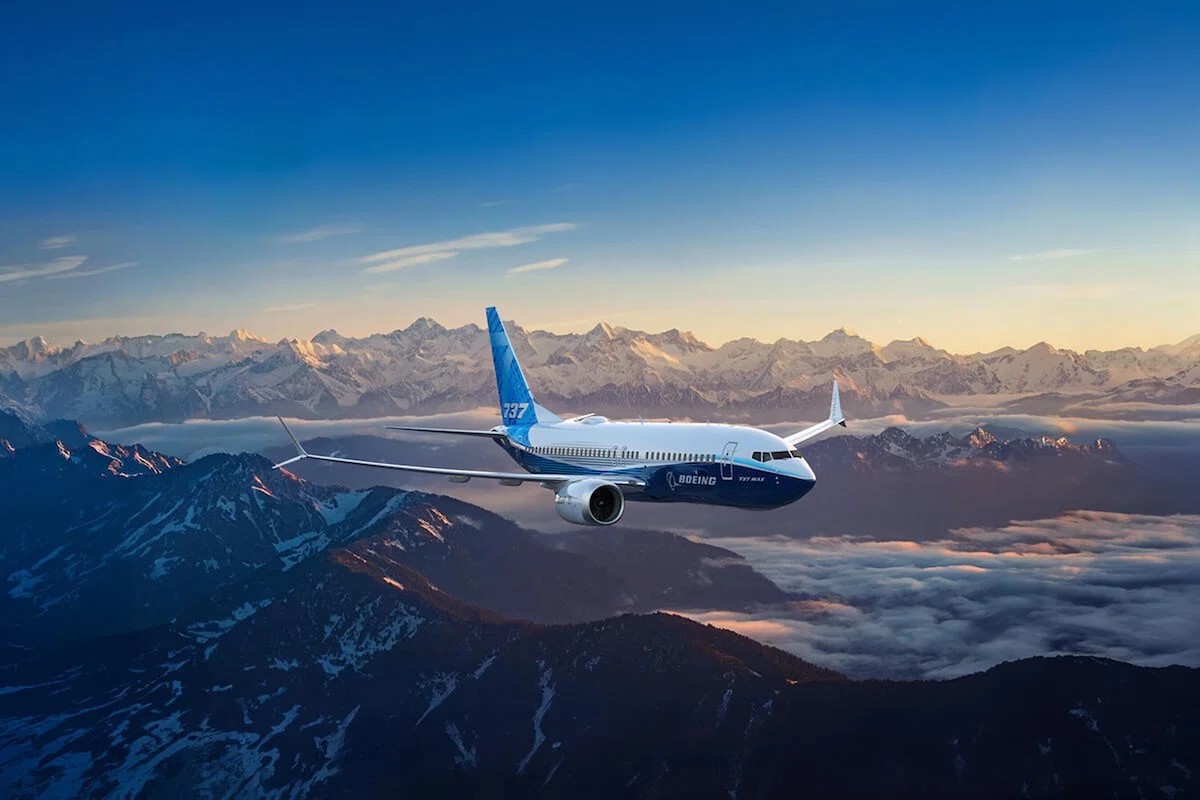
The United States Federal Aviation Administration gave the green light. The Boeing 737 MAX 7 can finally fly passengers. It is the smallest plane in the MAX family. Or at least, it is supposed to be. For Southwest Airlines, this news is everything. For every other carrier on the planet? It is background noise.
The FAA issued an amended type certificate. They also updated the Production Limitation Record. This approval was originally slated for 2019. Now? We are seven years late. That is the timeline.
How the FAA cleared the 737 MAX 7 for flight
The approval did not come easily. The agency spent years untangling complex technical knots. They reviewed safety analyses. They scrutinized design changes. The FAA’s own description highlights the grind:
“The approval reflects years of sustained work… involving flight controls, system safety assessments… and other novel, complex, or safety- critical areas.”
It wasn’t just a rubber stamp. Boeing had to make real changes. They updated the flight-control software. They fixed the flightcrew alerting system. They even redesigned the engine anti-ice system. Why? To prevent engine inlets from overheating. Overheating weakens the structure. That is bad for flying. These fixes give pilots better data. Clearer warnings. That matters when you are trying not to crash.
This is a win for Boeing. A genuine one. The company has been struggling with new aircraft certification for a while. The MAX 8 and MAX 9 got the nod years ago. The MAX 10 is waiting in the wings, likely getting approved soon. But the MAX 7? That was the holdup.
The specs behind the 737 MAX 7 range
Let’s look at what you actually get. The MAX 7 is the shortest fuselage. It is also the longest-range variant. It holds 135 to 160 passengers. You can fly 3,800 nautical Miles on a tank of gas. That is a lot of range for a small plane.
Boeing can start deliveries soon. There is one catch. There is only one buyer who actually wants the plane. Southwest has ordered 269 of them. Each jet will have 150 seats. This has been their strategy for years. The MAX 7 replaces the 737-708. Southwest owns 288 of the older models. They are doing a straight swap. One for one. They might even order more. Who knows.
Why Southwest needs the 737 MAX 7
Southwest is an odd bird. They fly all Boeing 737s. But only the small ones. No 737-900s. No MAX 9s. No MAX 10s. They ignore the big planes. The large variants add capacity. They cut range. The math works because operating costs for extra seats are so low. You load them up. You fill them. You make money.
But can you fill them? That is the question. Flying empty seats is a money loser. Southwest sees the MAX 7 as the solution for smaller markets. Less demand. Thinner routes. They don’t need the big jet. They need something that can still fly far.
Is this smart? It works for them. But it looks odd from the outside. Why no interest in the bigger jets? You’d think some routes could handle more volume. The economics might just tip over.
Other airlines disagree with Southwest. Not one other carrier has ordered a substantial fleet of MAX 7s. The market for small jets is dead. Other airlines are chasing the larger MAX variants. For routes that need medium capacity, they are buying the Airbus A220-3. That is the real competitor to the MAX 8 size plane. The MAX 7 is a ghost ship. Or, like the A380 and Emirates. A plane for one airline.
The bottom line on the MAX 7 certification
Boeing survived the certification delay. The plane is approved. The makers are happy. It is a niche product. Smallest size. Longest range. A specific tool for a specific job.
But is there a job market? Only Southwest sees the value. They have hundreds of orders. The rest of the industry shrugs. They are waiting for the next big thing. The MAX 7 sits in the hangar of history. Unique. Undersold. Maybe it finds its moment. Maybe it doesn’t. The sky is big enough for both.