You know the word.
Ebola.
It sits heavy on the tongue. For many, it evokes immediate, primal dread. And frankly? That’s reasonable. This isn’t just a cold. It isn’t a lingering flu that keeps you in bed for a week with tea and soup. When this hits, it kills. Fast. Horribly. Painfully.
But before you lock your doors, let’s separate the horror stories from the biology. The panic is often disproportionate to the actual risk.
Threads of Death
Technically speaking, there is no single “Ebola.” It is a genus. Ebolavirus.
A family of relatives. Most people use the term as shorthand for Zaire ebolavirus. The bad one. The deadliest member of the club.
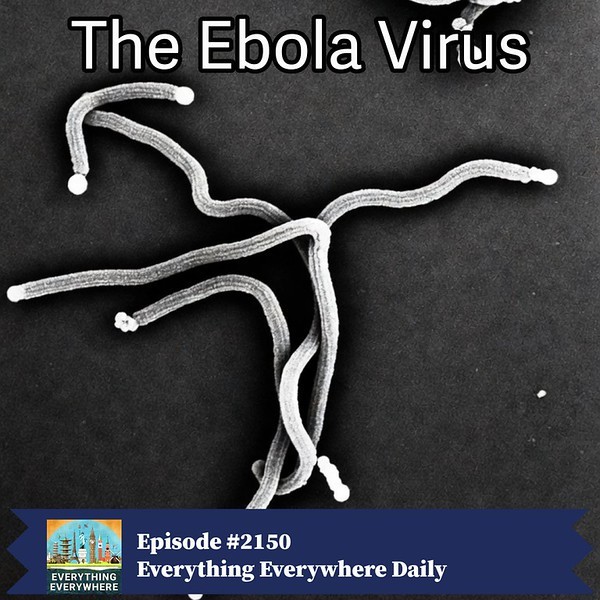
Look at these viruses under a powerful electron microscope. What do they look like? Like threads. That’s why they are filoviruses. Long. Thin. Creepy strands.
Where do they hide? We’re still not 100% sure. But the leading suspects are fruit bats. The reservoir is quiet, mostly animal-to-animal transmission for centuries, maybe thousands of years. Humans? We’re an accident. A spillover. A handshake with nature that went wrong.
Not Airborne. Mostly.
This is the critical distinction. The part that matters most for your morning coffee routine.
Ebola doesn’t float on the air like measles or flu.
Measles? Terrifying. Highly contagious. Breathing in the same air is enough to hand it off.
Ebola? Not even close.
It needs direct contact. Blood. Vomiting. Diarrhea. Sweat. Bodily fluids from someone who is very sick. Or someone who just died. It can cling to needles. To bedding. To hospital equipment that wasn’t cleaned.
It devastates families because they care for the sick. It tears down health workers who hold the hands of the dying. But in a supermarket line? On the bus? The risk is essentially zero.
The incubation is 2 to 21 days. Then it starts.
Dry symptoms first. Fever. Aches. That tired, hollow fatigue. Then the wet stuff. The vomiting. The bleeding.
That last part. The “hemorrhagic fever.”
It makes for good headlines. Bad reality. Not everyone bleeds out. But many do. From the gums. The eyes. Injection sites. Internally. It’s messy. But the killer isn’t just the blood loss. It’s the shock. The immune system going haywire. The organs failing. Kidney. Liver. The whole system collapsing.
The average fatality rate? Around 50%.
Depending on the strain. The care available. The luck of the draw. Past outbreaks have swung from 25% to 90%. It’s worse than smallpox on average. Better than rabies.
Wait, rabies is 100% fatal? Yes. If the virus touches the brain. But rabies has a post-exposure cure. Time matters. Ebola? Treatment is hard.
The Map and the Name
- Sudan. Zaire (now the Democratic Republic of Congo).
Two places. One disease. Emerging at the same time.
It spread through Yambuku Mission Hospital in Zaire. Needles weren’t sterilized. Staff died. People fled. They ran back to villages, seeking traditional healers, spreading the contagion. 318 cases. 280 dead.
They needed a name.
The scientists considered calling it the “Yambuku Virus.”
Good idea? Maybe. But they remembered Lassa Fever. Named after a Nigerian town. That name became a stigma. A label that hurt the community. Karl Johnson and Joel Breman objected.
Let’s go with a river. Neutral. Geographic.
They looked at the wall map. Saw a river near Yambuku. Called it Ebola.
Irony? Thick.
“Ebola” isn’t the local name. The Belgian cartographers wrote “l’Ebola.” But the Ngbandi people call it “Legbala.” White water. Pure water.
Funny, right? A virus of death named for purity.
And even funnier? Dr. Peter Piot admitted later that the map was wrong. Ebola wasn’t the closest river. But the name stuck. Like a bad rumor. Or a genetic mutation.
There are five types. Zaire. Sudan. Bundibugyo. Tai Forest. Reston. Reston? Found in monkeys. Doesn’t hurt humans. Good. The other four? The killers.
The Outbreaks
History repeats itself. With slightly different body counts.
-
Kikwit. Charcoal makers in the forest. 315 cases. 250 dead. Hospitals finally wised up. Gloves. Masks. Gowns. It stopped.
-
Uganda. Sudan strain. Hit the young. Almost 15% under age five. 224 dead.
-
The Big One.
West Africa. Guinea. Then Liberia. Sierra Leone.
It didn’t stop at the villages. It hit the capitals. Cities. Millions of people. The WHO declared an emergency in 2014. It spread to the US. Spain. The UK. Travelers carried it out, briefly scaring the world.
Total damage: 28,600+ cases. 11,300 deaths.
Then the DRC struck again. 2018-2020. Active conflict zones. Hard to control. 3,000+ cases.
2025? Another one in Kasai Province. 53 cases. 45 deaths. Contained.
Now 2026. The Bundibugyo strain. Eastern DRC and Uganda. Fast moving. Over 800 suspected cases. Over 100 deaths.
So, how worried should you be?
The Vaccine
Short answer? Don’t.
If you live in central or west Africa, you have real reason for concern.
If you are here? Elsewhere? The risk is infinitesimal.
There is a strange protection in lethality. If a disease kills its host in four days, the host can’t travel far. Can’t attend meetings. Can’t go to concerts. They die quickly. Or they isolate. This natural brake prevents Ebola from becoming a global airborne plague. It doesn’t fit the mechanics.
Some fear it might mutate. Become airborne. Like measles.
Unlikely. Very unlikely.
To become airborne, the virus would have to rewrite its code. It needs to replicate in the lungs, not just the gut. Shed particles that survive in air droplets. Infect a new lung upon inhalation.
That isn’t a tweak. That is an overhaul. It would stop being Ebola. It would be a new monster entirely. Evolution doesn’t usually give pathogens that kind of plot armor.
Here is the good news. The news we want.
The 2013 epidemic broke the dam. Private sector. Public agencies. Canada. Merck. Everyone rushed to build a shield.
They took an animal virus. Vesicular stomatitis. Mostly harmless to humans. Stabbed an Ebola gene into it. A genetic decoy.
Train the immune system. Make it recognize the threat before the threat arrives.
Trials in Guinea used a “ring” strategy. Vaccinate the sick person’s contacts. And the contacts’ contacts. Create a barrier.
Result? Zero cases in the vaccinated group.
Ervebo.
Approved by Europe in late 2019. US shortly after. WHO prequalified it in 48 hours. Record time.
Caveat.
It works for Zaire strain. The bad guy. It does nothing for the other strains. Sudan. Bundibugyo? You are on your own with Ervebo.
Still. It is a miracle. A tool. A chance to stop the bleeding.
The Future
Ebola is horrific. I don’t sugarcoat that. It is cruel. It turns families into funerals. It breaks hospitals.
But for the global population? It remains contained. By geography. By transmission rules. And increasingly, by science.
Will it disappear?
Maybe. If the vaccine pipeline keeps flowing. If we can catch the next strain before it catches us.
Until then, it waits in the bats. In the forests. A thread of potential doom, mostly coiled, mostly quiet.
We watch. We prepare. And we breathe a little easier than we did ten years ago.
For now, that’s enough.