


The leaves are falling. Slowly. There’s a heaviness in the air that feels like sadness, but also like relief. You can feel it. If you want to embrace that mood without losing your happiness, you need to look at the landscape. Winter belongs to Uludağ’s ski slopes. Summer belongs to hot, crowded beaches. But autumn? Autumn belongs to the trees and the lakes.
We left the suffocating heat of August behind. Now is the time to step into nature. If you want a short break that rests your soul, you need a place for hiking, photography, and silence. Here are the spots that actually deliver on that promise.
Why Gökçeada is the best autumn getaway
Gökçeada isn’t just an island. It’s a mood. When the wind picks up from the Aegean, the whole place changes. The heat breaks. The light gets softer, golden, perfect for taking photos that don’t look like they were taken at noon.
This is where you go to walk. The paths are lined with chestnut trees and olives. The colors shift from green to a deep, rusty red. You don’t need a packed itinerary. You just need to show up.
The silence here is heavy, but it’s the good kind. The kind that lets you hear your own thoughts.
It’s not about luxury hotels. It’s about renting a car, driving to the northern tip, and watching the sun dip below the water while the air turns crisp. You breathe in. You breathe out. The stress of the city doesn’t follow you here.
Which island offers the best balance of solitude and scenery in the fall? Gökçeada does. It’s rugged. It’s real. And right now, it’s empty enough for you to have the whole horizon to yourself.

Gökçeada: Where the Sun Sets Last in Turkey
If you want to chase the sunset, skip the usual spots. Gökçeada is technically the last place in Turkey where the sun dips below the horizon. It’s a specific kind of magic. You don’t need a grand plan for autumn here. The island shifts. The air gets crisp. The light turns golden and heavy.
You’ll find yourself sitting with a cup of Türk kahvesi, watching the sky burn out while traditional Turkish music plays softly in the background. Fresh fish is on the menu. It’s not just dinner. It’s an experience. Autumn brings a certain melancholy, a hüzün that settles in your chest. Gökçeada leans into that. It’s quiet. It’s historic. The old hotels have character, not just clean sheets. You breathe in the nature. You exhale the city noise.
Getting there requires a bit of legwork, but it’s doable for a weekend trip.
Start in Istanbul or head west through Tekirdağ and the Gelibolu peninsula. Don’t drive all the way to Eceabat. Stop at the Kabatepe Liman junction, about 4 km before Eceabat. That’s your portal. From Kabatepe, you board a ferry.
The ride takes about 1 hour and 30 minutes. Since it’s an island, there are no bridges. No ferries mean no entry. Check the schedule. The sea can be tricky in late autumn, but the view from the deck is worth the wait. Once you’re off the boat, you’re in another world. Slow time. Real silence.
Narlıkuyu / Silifke / Mersin: The Mediterranean Counterpoint
Need a different vibe? Head south.
Narlıkuyu sits right on the Aegean coast, close to Mersin. It’s quieter than the main hubs. Silifke, inland but connected via Mersin, offers a mix of history and heat. These spots work if you want sea access without the crush of Bodrum or Antalya.
Mersin acts as the gateway. It’s a major port, yes, but also a transit point for those who want to escape the tourist trails. Narlıkuyu has beaches that feel less manicured, more natural. Silifke has ancient ruins and a slower pace. It’s not about the party. It’s about the landscape.
Compare the two routes. Gökçeada for the melancholic autumn sea and historic Ottoman charm. Narlıkuyu and Silifke for warmer climes and Mediterranean greenery. Both require a drive. Both reward you with solitude.
Which one fits your mood? The grey-blue of the Sea of Marmara or the deep azure of the Mediterranean? Pick your poison. Pack accordingly. Go.
Why Narlıkuyu is the smart autumn move in Mersin
Skip the summer crowds. Aim for Mersin in late October or early November. The heat breaks. The light softens. It turns into something else entirely.
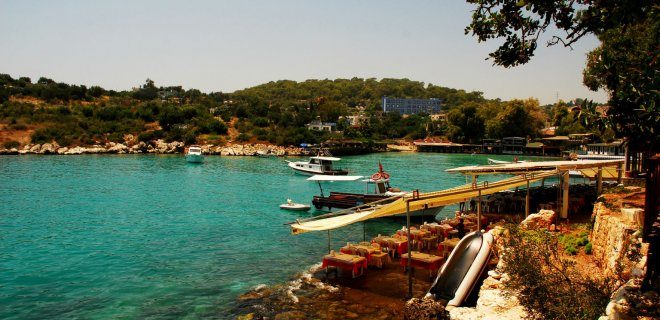
Start at Narlıkuyu. It’s tiny. A small bay tucked away. But the view? Kız Kalesi (Maiden’s Castle) sits right there across the water. Breakfast here isn’t just fuel. It’s the point. You sit. You watch the castle. You eat fresh bread and cheese. It sets the tone.
After you’re full, hit the sites. Don’t rush.
Visit Cennet Cehennem Mağaraları (Heaven-Hell Caves). The name says it all. Then go to Astım Dilek Mağarası. These aren’t just holes in the ground. They’re local legends. Whisper a wish. Maybe it works. Then stop by the Narlıkuyu Mozaik Müzesi. It’s quiet. The tiles tell old stories.
Hunger returns? Good. Eat at one of the fish restaurants in the bay. Fresh catch. Simple cooking. The view remains the main course.
History and scenery don’t shout here. They wait.
Getting there is straightforward. Fly into Mersin. Grab a car. Or take a local shuttle. The roads are decent. The drive isn’t the adventure. The destination is.
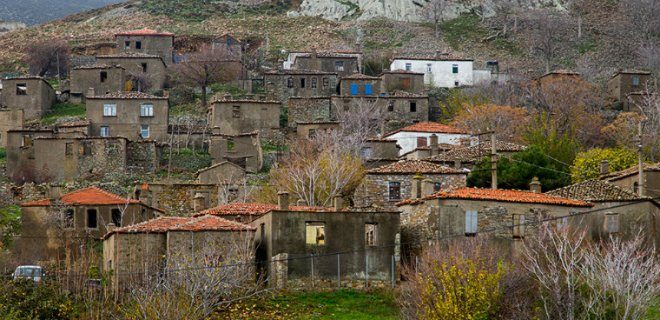
Kastro and Çamlıköy: Where Tekirdağ feels like another country
If Mersin is your coastal stop, Tekirdağ is your cultural pivot. Specifically, Kastro and Çamlıköy.
Kastro isn’t just a ruin. It’s a fortress perched high above the city. You climb up. The view of the Marmara Sea stretches out. It’s windy. It’s real. You feel the history without the museum label.
Then there’s Çamlıköy. A village that stopped time. Wooden houses. Pine trees. Silence. It feels removed from the rush of Istanbul or the bustle of Tekirdağ city center. You go here to breathe. To walk. To see how life looked before everything sped up.
Why go? Because most tourists skip it. They rush to Istanbul. They miss the texture of Thrace.
Logistics are easy. Tekirdağ is close to Istanbul. A short train ride or drive. Kastro is a steep walk up. Wear good shoes. Çamlıköy is accessible by car or taxi from the main road.
The food here is different too. Less sea, more land. Lamb. Bread. Olives. It’s hearty. It sticks with you.
Don’t plan every minute. Let the afternoon drag. Sit in Kastro. Watch the sunset. Walk the streets of Çamlıköy until the lamps come on.
It’s not a checklist. It’s a mood.
Why Kastro feels like a secret the coast is keeping
There is a moment on the Istranca foothills where green surrenders. It turns yellow. Then orange. Then it hits the sea. That specific shade of blue. Clean. Sharp. This is Kastro . Locals might call it Çamlıköy, but the vibe is entirely different from a standard village run-down. It holds you.
Proximity matters here. You are shockingly close to Istanbul. Not “long weekend away” close. Just “get in the car and go” close. Most people ignore it. They drive past. Don’t be most people.
How to stay in Kastro without breaking the bank?
You have choices. The obvious one is camping. You can rent a tent. Pitch it near the dunes. Sleep with the sound of the waves as your white noise. It’s cheap. It’s raw. But if dirt under your fingernails isn’t your idea of relaxation, there are other spots. Guesthouses exist. Small hotels. Nothing fancy. Nothing sterile. Just a bed and a view.
The best part isn’t the hotel. It’s the lack of a schedule.
You wake up. You look at the water. You decide what to do. That’s it.
The autumn spectacle inside Küre Mountains National Park
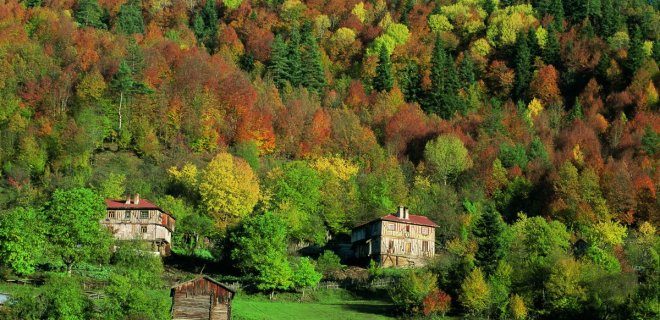
Leave the coast. Go inland. Heading toward Kastamonu and Bartın takes you into the spine of the region. The Küre Mountains National Park doesn’t just change color in autumn. It explodes.
Yellow. Red. Gold. A sensory overload.
If you’ve never seen the Black Sea region in late fall, you’re missing the headline act. The foliage here is dense. Old trees. Moss-covered trunks. Light filtering through a canopy that looks like stained glass. It’s not a subtle shift. It’s a takeover.
People expect summer beaches. They leave in September. Big mistake. The air gets crisp. The light gets better. The crowds vanish.
Where exactly is this park?
It sits right between those two provinces. It’s not a hidden gem anymore, but it’s still under-visited compared to the Alps or even domestic favorites like Kaçkar. The drive is part of the deal. Winding roads. Sharp turns. Views that open up suddenly when you least expect them.
You stop. You take a photo. You realize your phone can’t capture the scale.
It’s quiet. Too quiet for some. Perfect for others.
Don’t wait until the leaves fall. Go while they’re burning.
Yedigöller: Bolu’nun Sessiz ve Mavi Sırısı
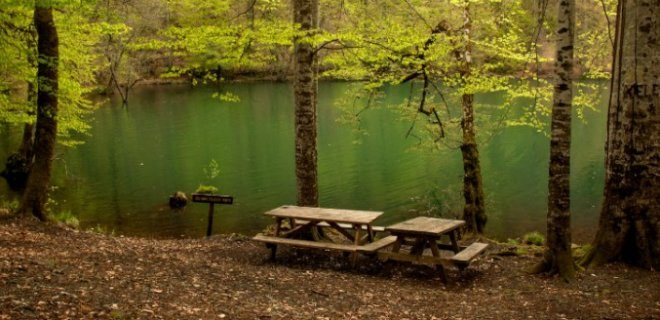
Bolu’ya vardığınızda ilk nefesiniz zaten bir tedavidir. Ama iş Yedigöller’e gelindiğinde, bu huzur somutlaşır. Yedi göl yan yana dizilmiş, sanki bir ressamın tuvaline dökülmüş mavi lekeler gibidir. Doğa fotoğrafçısı gibi düşünenler için hayal kurdurma noktasıdır.
Yürüyüş yolları temiz. Hava burnunuza değince ferahlatır. Ağaçlar arasından süzülen ışık, göllerin üzerindeki sisli sabahlara adeta bir çerçeve çeker. Burada zaman yavaşlar. Telefonunuzu yanınıza alırsanız bile, muhtemelen sadece fotoğraf çekmek için çıkarıp tekrar cebinize sokarsınız.
Neden Yedigöller?
Çünkü kalabalıktan kaçmak istiyorsunuz. Çünkü doğanın sesini duyuyor olmak, şehrdeki gürültüyü silmek istiyorsunuz. Yedigöller, Bolu’nun en ikonik ama en sakin duran yerlerinden biridir. Göl kenarında kurulan küçük çadırlar, yürüyüş parkurlarının kenarında dökülen yapraklar, hatta rüzgarın ağaç dallarında yarattığı o ince hışırtı bile bir meditasyon gibi hissettirir.
“Doğa, en iyi dinlenilen yerdir.”
Pratik Bilgiler
– Konum: Bolu merkeze yakındır, ulaşım kolaydır.
– En İyi Zaman: Ilık bahar ayları veya sonbaharın renklerinin zirve yaptığı dönem.
– Aktivite: Hafif yürüyüş, piknik, fotoğraf çekimi.
– Gidiş: Kendi aracınızla veya Bolu merkezden kalkan servislerle ulaşabilirsiniz.
Yedigöller, sadece bir göl grubu değil; bir duygu halidir. Oraya gittiğinizde, içinizdeki o ağır yükün bir kısmının aktığını hissedeceksiniz. Ve belki de, hiçbir şey yapmadan sadece oturup izlemek en büyük maceradır.
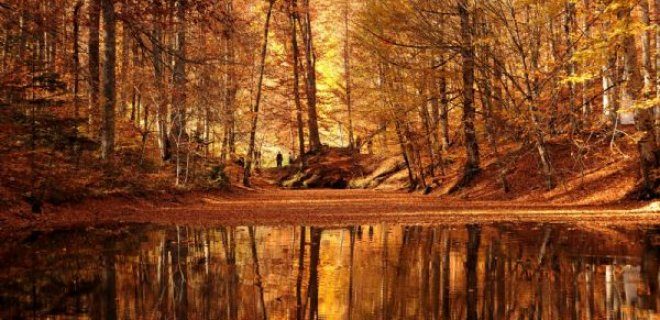
Why Yedigöler is the definitive autumn destination in Turkey
When the leaves start to drop, one name dominates every travel conversation in Turkey. Yedigöler. It’s not just a name. It’s a destination that practically demands your camera lens.
Why? Because the contrast is unreal. The deep greens of the forest floor meet the fiery reds and golds of the canopy. Photographers don’t just visit. They invade. Every weekend in late October and November, you’ll see crowds of people with long lenses and tripods, trying to capture the perfect reflection on the water.
And they aren’t wrong. The atmosphere here shifts. It gets quieter. Colder. The air smells like damp earth and pine. It’s the kind of place that makes you understand why people romanticize fall. If you’re asking where to see the best autumn foliage in the region, the answer is almost always Yedigöler.
What to do beyond just looking at the lakes
You don’t just sit there. The park has infrastructure. You can stay overnight. There are hotels and guesthouses nearby that let you wake up to mist rising off the water. No rush. Just you and the birds.
Want movement? Rent a motorized bicycle. Yes, that’s a thing here. They’re small, electric-assisted bikes that let you cruise along the paths or near the shore without exhausting yourself. It’s a relaxed way to cover ground. You get close to the water, you see the ripples, you feel the breeze. It’s practical tourism, not just passive observation.
Is it crowded? Yes, during peak weekends. But the spread of the park helps. You can find corners where it’s just you. The key is timing. Go early. Or go on a weekday if you can. The magic doesn’t disappear with a few extra people. It just waits for you to look up from your phone.


