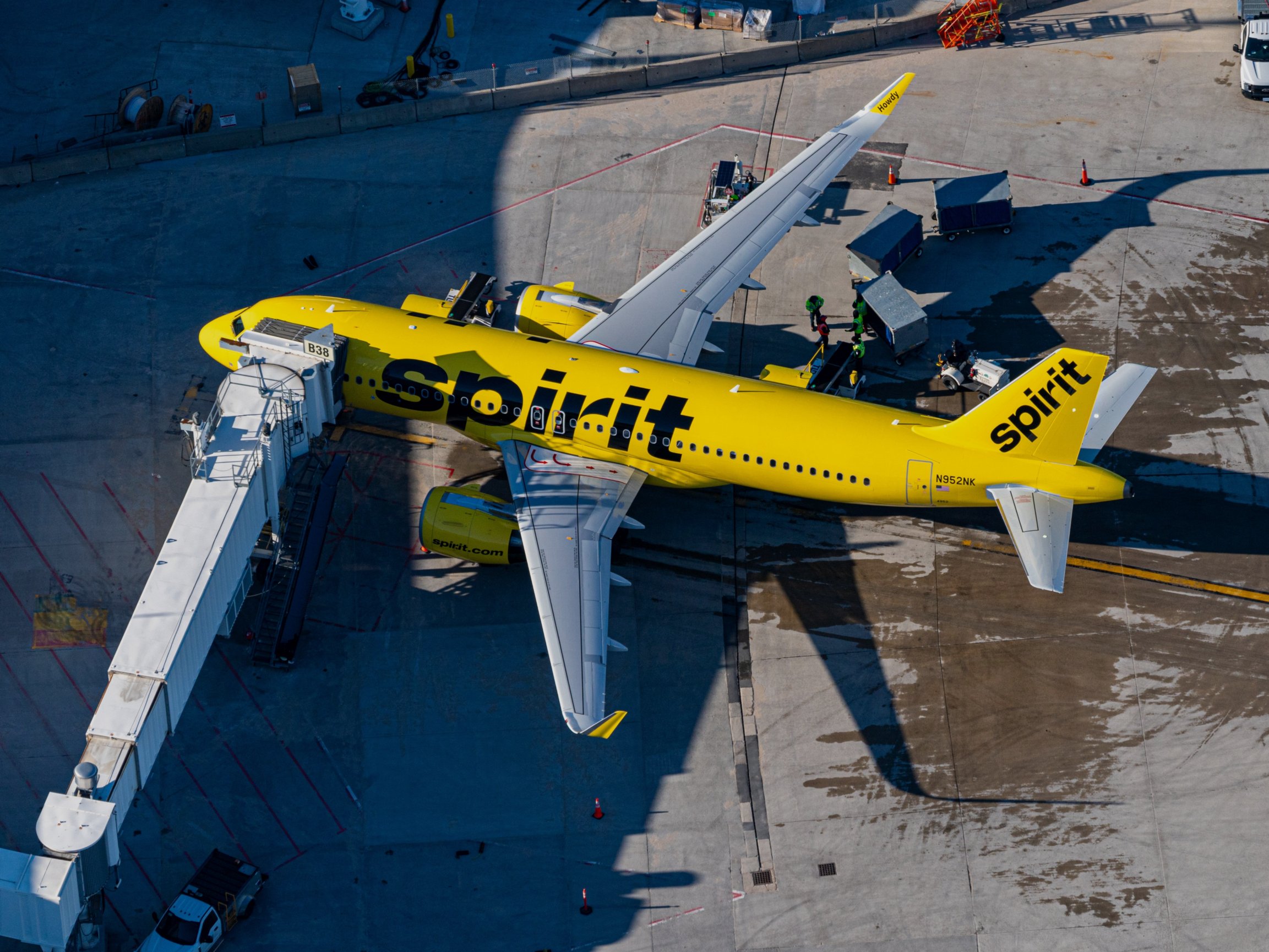
Spirit Airlines is facing a critical turning point in its struggle for survival. According to recent reports, the budget carrier is considering a drastic proposal: offering the U.S. government an equity stake in exchange for emergency financial aid to prevent imminent liquidation.
The Crisis at a Glance
The airline is currently caught in a tightening vice of rising operational costs and mounting debt. The primary driver of this instability is a massive surge in jet fuel prices, triggered by geopolitical tensions following the initial U.S. strikes on Iran.
For a low-cost carrier like Spirit, this is an existential threat. Unlike full-service airlines, budget models operate on razor-thin margins where fuel typically accounts for nearly one-third of all operating expenses.
The current economic pressure includes:
– Soaring Fuel Costs: According to the Argus U.S. Jet Fuel Index, prices jumped from $2.50 per gallon in late February to an average of $3.79 per gallon by mid-April.
– Bankruptcy Struggles: Spirit has filed for bankruptcy twice since late 2024, most recently in August.
– Failed Consolidation: A previously proposed merger with JetBlue—which Spirit viewed as a necessary lifeline—was blocked by a federal judge in 2024 following an antitrust lawsuit by the Biden administration.
Why Low-Cost Carriers are Vulnerable
While many airlines have responded to rising costs by reducing flight schedules, grounding aircraft, or adding fuel surcharges, low-cost carriers have much less flexibility. Their business model is built on high volume and low prices; significant surcharges risk alienating their core customer base, while shrinking schedules may not generate enough revenue to cover fixed costs.
To combat this, the Association of Value Airlines —representing Spirit, Frontier, and others—has approached Congress. They are requesting a waiver of certain taxes and fees to provide temporary relief, warning that without such intervention, passengers will inevitably face higher ticket prices.
Seeking Federal Intervention
The airline’s potential offer of equity to the government marks a move toward a “bailout” scenario similar to those seen during the COVID-19 pandemic. Spirit and other budget carriers are expected to meet with Transportation Secretary Sean Duffy this week to discuss the industry’s stability.
The Department of Transportation has confirmed it is “monitoring” the situation, but it remains to be seen if the government is willing to become a shareholder in a struggling private airline.
Looking Ahead
The immediate future for Spirit depends on two factors: whether creditors will extend enough cash to bridge the gap caused by fuel prices, and whether the U.S. government views the collapse of a major domestic carrier as a risk to national transportation infrastructure.
Conclusion: Spirit Airlines is fighting for survival against a backdrop of geopolitical instability and rising energy costs. The outcome of their negotiations with the government and creditors will determine whether the airline undergoes a restructuring or faces total liquidation.