“We don’t have fuel and cannot go around.”
Just like that. The door shuts on the discussion.
It was roughly 9:20 PM on May 20, 2026. EL AL Flight 19, a Boeing 777-20 ER bearing the code 4X-ECF, was rolling into New York JFK. Coming in hot from Tel Aviv.
The approach seemed routine enough at first. 170 knots. Then a reduction to 160. Hand-off to the tower.
Everyone knows the tower guy. Let’s call him The Professional Jerk. He’s brilliant. He’s efficient. He has the patience of a saint and the attitude of a traffic wicket. No one questions his competence. Just his temperament.
He saw the Israeli jet creeping down in the sequence. They were third in line. Too slow.
“EL AL 19 heavy.”
“Increase your airspeed.”
“I do not know why you’re slowing down.”
“I’ll take you off for the resequence.”
“Increase your airspeed now.”
Standard ATC bluster. Keep the metal moving.
The pilot’s response?
“Increasing… uh… speed. We don’t have fuel.”
“And cannot go around.”
Pause.
Did I hear that right? The plane wasn’t just low. It was empty. And the decision to broadcast this fact came after the controller demanded they speed up or get pushed back in line?
“Okay.”
“Then increase your airspeed.”
“You’re doing 120 knots across the ground. Eight miles out.”
“Are you declaring minimum fuel?”
“That’s affirm. Minimum fuel. We are increasing.”
They landed. No drama. Taxied in. Silence.
So. What happened here?
Aviation runs on caution. You have less gas than planned? You talk. Now. There is a vocabulary for this. Two main phrases exist for a reason.
-
Minimum fuel.
> “Upon reaching the destination, it can accept little or no delay. Not an emergency yet, but one is possible if delays occur.” -
Emergency fuel.
> “Pilot-in-command judgment says go straight in. Priority handling by ATC required and expected.”
Notice something missing from that radio transmission?
The words minimum or emergency.
Not until the tower demanded it.
Why wait until the final eight miles? Why not scream “Low fuel!” when you entered holding? Why treat JFK —the airport where missed approaches happen on a Tuesday—as if the ground were lava?
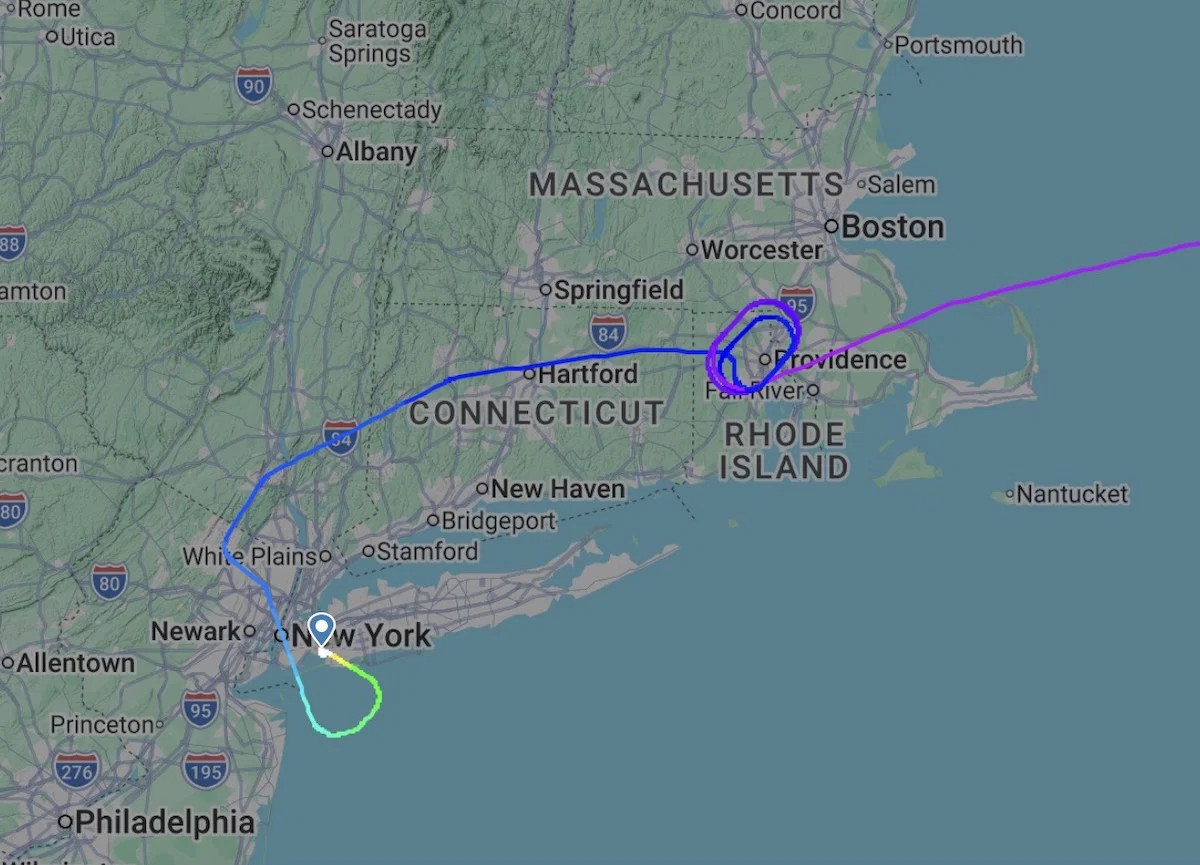
Perhaps the math failed. The Tel Aviv to JFK leg usually takes 11.5 hours. This one took 12.5. 30 minutes of holding over Rhode Island. Flow control. A roundabout entry.
Reserves burned. Reality bit back.
But holding pattern fatigue isn’t an excuse for radio silence. If you are dragging your wings through the mud at 120 knots, you don’t hide it. You lead with it.
“Number 3? Better make me Number 1.”
Instead, they waited for a rebuke. They used fuel starvation as a shield against resequencing. It felt transactional. Cold.
Reckless? Maybe. Or maybe just poorly trained.
The tower controller stayed professional. Remarkable restraint from a man who usually yells at people for minor inconveniences. One wonders if he’s still awake. One wonders if he ever sleeps.
The flight arrived. The doors opened.
But the question lingers in the cockpit logbook.
Was it a genuine emergency delayed by pride? Or was it a bluff?
The investigation begins tomorrow.