Most travelers head straight to Paris or the castles of the Loire Valley. They skip the central heartland. This is wrong. If you want to understand the real texture of French regional history, you need to look south-southeast of Paris. In particular, you need to look on Nevers.
It’s not flashy. It doesn’t scream for your attention. But it offers something even more valuable: depth. Nevers is located on the high banks of the Loire River in the department of Nièvre in the Bourgogne-Franche-Comté region. This is the confluence of Nièvre River and the main stream. The geographical location forced the city to be at a crossroads. it has been exactly that for centuries.
The Ceramic Heritage of Gonzaga
Why is a small town in central France so important to art history? Because of the Gonzaga family. In the 16th century, this powerful Mantuan dynasty rose to power. They didn’t just rule. They changed the local economy. They introduced pottery making to the area. This is more than just a hobby. It became an industry. It has shaped the town’s identity for centuries.
Visit today and see its history. Walking through Nevers, you can’t help but feel the weight of its industrial history. This is a manufacturing town. First the ceramics. Then rubber. Then there’s plastic. Next are electronic devices and auto parts. The changes are subtle, but they are there. The city was modernized. It does not remove the roots. It layered new industries on top of old ones.
Although Nevers is primarily a commercial and administrative center, its industrial spirit remains intact.
Buildings that survived the war
The architecture of Nevers tells a story of survival. Cathedral of Saint-Cyr-et-Sainte-Juliette are great examples. The construction works took place in the 10th and 16th centuries. This is a huge structure. It has stood the test of time. It withstood the bombings during World War II. The damage was serious. The repairs were very thorough. As you enter, you see wounds being healed by careful hands. This is a reminder that the city experienced conflict and decided to rebuild.
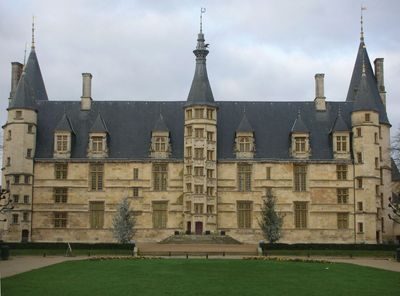
Next is the former palace of the Dukes of Nevers. This is a magnificent medieval building. This is currently the seat of justice. The contrast is impressive. Power used to mean nobility. Now that means justice. This building is an indication of the change in the social structure. It’s still impressive. It is still very beautiful. Still functional.
Saint-Gildard Connection
This is where the story gets personal. Most tourists do not know about the Chapel of the Saint-Gildard convent. You should. This is the resting place of Saint Bernadette Soubirous. Yes, that Bernadette. The visionary of Lourdes.
From 1860 to 1879 She lived in Nevers. She wasn’t a tourist here. She was a resident. She found peace in this quiet town. Her presence adds spiritual weight to the place. It’s not just about brick and mortar. It’s about people of people who lived, suffer and find solace here. If you are interested in the religious history, this is a place of pilgrimage