
Animals aren’t just animals. They are family. You buy them birthday presents. You set up cozy corners in your home specifically for their naps. When they die, you hold funerals. The data backs up the sentiment: in 2008 alone, Americans spent $43.4 billion on pet-related products. That is a lot of love, measured in dollars.
This obsession has birthed a new market. Pet travel is no longer a niche hobby; it’s a booming industry. You can find resorts built for dogs. Spas designed for cats. Countless gadgets to fit any furry companion in your car or suitcase. But dragging your pet across state lines isn’t as simple as tossing a leash in the trunk. It requires the same rigorous prep you’d apply to packing your own clothes. Weather? Check. Duration? Check. Canine comfort? Also check.
In the chaos of pre-trip packing, it’s easy to forget your toothbrush. Or your socks. Your pet’s essentials are even easier to overlook because they can’t text you a reminder that they need their food bowl. You have to be the one to remember. Here are ten items you need to pack to keep your companion safe and sane on the road.
10: Pet Passport
Before you even think about the leash, you need the paperwork. A pet passport (or equivalent travel health certificate) is non-negotiable for many trips.
If you are crossing international borders, this document is your ticket. It proves your animal is vaccinated, healthy, and up-to-date on rabies shots. Without it, you could be stuck at customs with a scared dog and a lot of angry officials.
Even for domestic travel, some airlines and hotels require proof of vaccination. Don’t assume your vet’s record book is enough. Print it. Laminating it helps. Keep a digital copy on your phone, just in case the physical paper gets lost in the glove box.
“Just like you have to plan ahead and pack clothes and necessities appropriate for the weather, location and duration of your trip, you must do the same for your pet.”
The cost of a pet passport varies. Expect to pay for a vet visit and the certificate fee. It’s cheap compared to the hassle of being denied boarding. Why risk it? Check the specific entry requirements for your destination well before you book your flight or drive. Some countries have strict quarantine rules. Others require microchip registration. Do the homework now.
Not all pets need a passport, but most need documentation. Check with your airline. Check with your hotel. Better to have it and not need it than to need it and not have it.
What happens if your pet gets sick abroad? That’s a problem for a different article. For now, focus on getting them across the threshold.
Next up: the basics. Food. Water. Bowls. You can’t fly on an empty stomach, and neither can your dog.
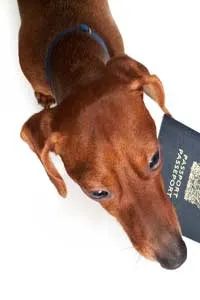
The Reality of Pet Passports
Forget the cute mug shots and paw-print signatures. A real pet passport is a bureaucratic necessity, not a keepsake. It is a formal certification from your veterinarian proving your animal is healthy and fully vaccinated. You can buy journal-style covers to keep the paperwork organized, but do yourself a favor: slip a current photo of your pet inside. If they wander off, that passport becomes their lifeline back to you.
You don’t need one for domestic road trips. But cross an international border? That changes everything. In places like the European Union, it is often a legal requirement. Governments don’t care about your pet’s cuteness; they care about biosecurity. Imagine taking a Pomeranian to England for a holiday. British officials are not interested in welcoming a carrier full of rabies or distemper. An outbreak would be catastrophic.
Rules vary wildly by destination. Some countries demand months of preparation. Others have strict quarantine protocols. Before you book a single ticket, check the import rules for your specific destination. The U.S. Embassy website for that country is the most reliable source for these shifting regulations. Do not guess. Get the paperwork right or leave the pet at home.
Pet Microchips
While the passport handles the medical records, the microchip handles the identity. This is no longer optional in many parts of the world. It is a tiny device, roughly the size of a grain of rice, implanted between the shoulder blades. Once scanned, it reveals a unique ID number linked to your contact information in a central database.
Why does this matter? Because paper gets lost. Dogs get spooked. Leashes break. If your pet crosses a border without a microchip, they might be turned around at customs. Or worse, they could be quarantined indefinitely while authorities try to figure out who they are. A chip ensures that when your pet is found, they can be identified immediately. It is the single most effective way to guarantee reunion.
Check if your destination country requires ISO-compliant chips. Not all readers are universal. Older systems still float around. If the chip format doesn’t match the country’s scanners, the data is useless. Ask your vet to verify the compatibility before you leave. It takes five minutes. It could save your pet’s life.
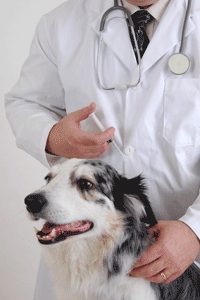
Why a Microchip is Non-Negotiable for Traveling Pets
Let’s get one thing straight: you aren’t packing a microchip. You’re implanting it. But before you cross that off your mental list as unnecessary bureaucratic overhead, consider the alternative. The biggest anxiety for most travelers isn’t the flight or the hotel booking; it’s the terrifying possibility of losing their furry companion in a foreign city. A microchip is your insurance policy against that nightmare.
These aren’t high-tech GPS trackers that ping your phone every time your dog steps off the sidewalk. They are passive devices. No battery. No signal. Just a tiny piece of hardware that wakes up only when scanned.
The tech relies on radio frequency identification (RFID). It’s simple, old-school, and effective. But here’s the catch: the standards change depending on where you are. If you’re traveling within the United States, the identification number inside the chip is typically nine digits long. Travel across the Atlantic, and you’re looking at fifteen digits for the European Union. This difference isn’t just about counting; it reflects the specific radio frequencies used in different regions. A scanner in Berlin won’t read a chip calibrated for Chicago without the right equipment, which is why international travelers need to be aware of this distinction.
How Registration Turns Plastic into a Phone Number
The chip itself is useless data until you give it context. It holds a unique ID, but that ID means nothing to the shelter worker unless it’s linked to your name and number. That’s where registration comes in.
When you register with an agency like the American Kennel Club or a dedicated microchip registry, you’re creating a bridge between that nine- or fifteen-digit number and your contact info. If your pet gets spooked by fireworks in Prague or escapes a gate in Paris and wanders into a local shelter, the staff will scan them. The scanner reads the number. They look up the number in the database. And just like that, they have your phone number.
It sounds simple because it is. But simplicity is what works when you’re stressed, abroad, and holding a trembling animal that just wants to go home.
The Cost and Logistics of Implants
You don’t need to schedule a special surgery for this. The microchip is roughly the size of a grain of rice. Most veterinarians implant it using a standard hypodermic needle, usually between the shoulder blades. It takes seconds. Your pet might feel a pinch, then forget it.
If you’re already getting your pet vaccinated or checked before a trip, ask your vet to do it then. It’s often bundled into the visit. If you’re doing it specifically for travel, expect to pay less than $50 for the procedure. Some animal shelters even offer low-cost or free microchipping as part of their adoption or community services, though availability varies.
The real cost isn’t the implant. It’s the registration fee, which can range from free to a few dollars annually, depending on the registry. Don’t skip the registration. A $50 chip with an unregistered number is just a piece of plastic in your dog.
Seat Covers
Moving on to the physical gear.
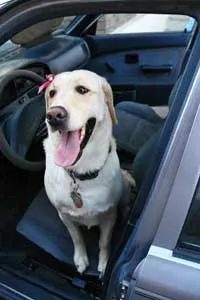
You already know dogs can wreck a car’s interior. Hair everywhere. Dander. The smell. But what about cats? They’re quieter, sure, until you’re three hours into a road trip and your feline friend decides the backseat isn’t the place for their business.
For safe car traveling, kitties belong in carriers. You don’t want them loose, and you definitely don’t want them investigating the glove box. But if you’re looking at a multi-hour drive, you need more than just a carrier. You need a plan for the seats.
Maybe you throw down some old towels. Or a blanket. It feels cheap. It feels easy. But here’s the problem: towels slide. When your cat shifts weight, or worse, when they paw at the fabric, everything moves. It’s not a solution for extended trips. It’s a stopgap.
If you’re planning long drives with pets, buying a dedicated pet-friendly car seat cover is the move that saves your upholstery and your sanity.
Why Generic Blankets Fail
Think about it. A towel has no grip. A blanket has no anchor. On a bumpy highway or during sudden braking, your protection shifts. You end up cleaning hair off the actual seat anyway. It’s a false economy. You save twenty bucks on a fleece throw only to spend an hour vacuuming your leather later.
Seat covers work differently. They encase the seat. Full coverage. Front to back. Side to side. You can find them for captain’s chairs in the front or the long bench in the back. They stay put. They catch the mess before it touches the fabric underneath.
Choosing the Right Material
Don’t let the word “cover” make you think of scratchy, noisy plastic. Manufacturers have stepped up. You can find options in a rainbow of colors and textures. Some are designed specifically to be eco-friendly. Others boast water-resistant coatings for those inevitable accidents or muddy paws.
Look for scratch-durable fabrics if you have claws that are a bit too enthusiastic. You want material that resists the daily grind of a cat pacing around their carrier or stretching out when you stop for gas.
How Much Should You Spend?
This is where the market gets interesting. The main decision when shopping for a seat cover is your budget. You can pick up a basic nylon cover for under $50. It does the job. It keeps the dirt off.
If you want something with better fit, non-slip backing, and materials that actually feel nice to touch, you’ll pay more. We’re talking hundreds of dollars for high-end, custom-fit options. Does it matter? Depends on your car. Depends on your pet.
If you’re driving a beat-up sedan you plan to sell in a year, the cheap option works. If you’re driving a new SUV that you love, invest in the cover that won’t slide around and actually protects the leather.
7: Portable Litter Boxes
When you’re stuck on the side of the highway, or stopped at a rest area with no facilities, your cat doesn’t care about your schedule. They need to go.
Carrying a full litter box is impractical. It’s bulky. It’s messy to transport. But you can’t just let them go in the car

The alternative is a disaster waiting to happen. You are miles from the nearest rest stop. The highway is empty. Your cat is stressed. You cannot stop on the shoulder to let them out; a frightened feline will bolt the moment a door opens. Dogs are easier. You can just pull over, get out, and let them stretch. Cats? They need containment. They need routine. And they definitely need privacy that a car interior simply cannot provide.
So you have two choices. Train your cat to walk on a leash in a moving vehicle environment—a task that requires months of patience and likely won’t work for a anxious indoor-only cat—or bring the bathroom with you. The latter is the only practical option for most travelers.
The Portable Litter Solution
You need a portable litter tray that folds flat. It should fit in your glove box or under the seat. When you stop for fuel, food, or just to stretch your legs, you set it up in the back seat or on a clean patch of hotel carpet. You fill it with a small amount of their usual litter. Let them use it. Dispose of the waste in a sealed bag. Flush or trash it properly depending on local regulations and the type of litter used.
This setup serves a dual purpose. It solves the immediate biological need during transit. It also acts as a bridge when you arrive at a destination. Many hotels or rentals do not allow pets, or if they do, they may have specific rules about waste. Having a self-contained unit means you aren’t relying on their facilities or risking a stain on unfamiliar floors. It keeps your cat’s scent contained. It keeps the car smell-free. It keeps you from arriving at a friend’s house with a stinky cargo hold.
Acclimation is Non-Negotiable
Cats are creatures of habit. They are also fiercely territorial. Changing their environment triggers stress. Stress triggers behavioral issues. One of those issues is inappropriate elimination. If you just buy a new, unknown litter box on the day of departure, your cat will likely refuse to use it. Or worse, they will use it incorrectly, creating a mess you have to clean up in a confined space.
You have weeks, not days, to prepare. Introduce the portable tray a month before your trip. Let your cat explore it. Put some of their regular litter in it. Maybe even place it in their favorite spot in the house for a few days. Let them get used to the texture. Let them get used to the smell. Let them get used to the fact that this object is part of their world.
When they are comfortable with the stationary version, start moving it around. Simulate the car environment. Drive around the block with the tray in the back. Reward them with treats when they use it in the new location. This conditioning is what prevents the backseat accident. It prevents the panic-induced escape attempt. It prevents the ruined upholstery.
6: Toys and Play Sets
Travel is boring for a cat. The car is a cage. The scenery is a blur. Boredom leads to anxiety. Anxiety leads to vocalization or aggression. You need to occupy their mind. Not with expensive gadgets, but with familiar distractions.

The Inevitable Itch of the Long Haul
Cars are prisons for the restless. You feel it in your legs, your neck, the way your mind starts to drift into a low-level hum of anxiety. Your pets feel it too. Sure, once the engine settles into a steady rhythm, the motion might lull a dog or cat into a sleep. But that nap is fragile. Without chemical help, the initial drowsiness fades. What replaces it? Boredom. Anxiety. That frantic energy that comes from being trapped in a box for hours.
You need a strategy. Not an expensive one. Just something to break the monotony and burn off the steam.
Think of it as pet entertainment on the road. It’s not about buying expensive gadgets. It’s about familiarity. A chew toy they know. A pillow that smells like the living room. The scent is an anchor. It tells their brain, we are still us, we are still home, even if the windows show passing trees.
For cats, this is non-negotiable. Toss their favorite stuffed animal into the carrier. If they have a blanket they burrow into, that goes in too. The texture, the smell—it’s a comfort object that keeps panic at bay.
Dogs are different. They have kinetic energy to dump. A stick from a rest stop. A ball for fetch in the parking lot. But if you’re stuck in traffic, you need portable distractions. Mini obstacle courses designed for travel. They encourage jumping, navigating, mental focus. It tires them out. A tired dog is a quiet dog. And a quiet dog means you can actually hear your own thoughts.
5: First Aid-Kit
But entertainment only gets you so far. Animals are unpredictable. They trip. They slip. They chew on something they shouldn’t. You are not a vet. You are a driver. Your job is stabilization and transport, not surgery.
That’s why the roadside pet first aid kit is not optional. It’s the difference between a minor scrap and a frantic, dangerous detour.
Pack it before you leave. Don’t wait until you’re three hours from help.
Here is what needs to be in there. No fluff. Just essentials.
- Gauze pads and self-adhering bandage (Vet Wrap). Cuts bleed. Badly. You need to stop the flow and keep the wound clean. Vet wrap sticks to itself, not fur. That’s critical. Trying to rip regular tape off a matted coat is a nightmare for everyone involved.
- Sterile saline solution. For eyes. For flushing dirt out of paws. For cleaning minor wounds. Don’t use tap water from a gas station. It might have bacteria you don’t want in an open cut.
- Hydrogen peroxide (3% solution). Only if you know how to induce vomiting and have confirmed with a vet (via phone) that what they ate is toxic. Do not use this blindly. Some things are worse when made to come back up.
- Digital thermometer. Animal fevers spike fast. A rectal thermometer is the standard. Keep it in a protective sleeve. Lubricate it with petroleum jelly before use. It’s invasive. They won’t like it. But you need to know if they’re running a fever.
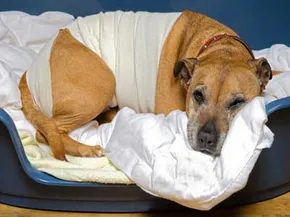
You wouldn’t think twice about packing ibuprofen and bandages for the family. But your dog has different biology. Different risks. Different needs.
Relying on a human first aid kit is a mistake. Canine skin is thinner. Their tolerance for certain antiseptics is lower. Hydrogen peroxide, for instance, is a staple in human kits but can be dangerous if ingested by a pet in large quantities. That’s why a dedicated pet travel first aid kit isn’t just a nice-to-have—it’s a necessity.
Building Your Own Pet First Aid Kit
Buying a pre-made kit is convenient, but they’re often light on basics or heavy on gimmicks. A DIY approach lets you tailor the supplies to your specific pet and destination. The American Red Cross outlines a solid baseline for what actually matters when things go sideways.
Start with the basics you’ll likely use for minor cuts or scrapes:
* Gauze pads, rolls, and bandages: Essential for wrapping wounds.
* Cotton swabs: For cleaning debris from ears or eyes without causing damage.
* Instant cold pack: Swelling happens fast. A cold pack can calm inflammation before you reach a vet.
* Tweezers: Tick removal is the most obvious use, but they’re also vital for pulling out burrs or splinters.
* Thermometer: Rectal thermometers are the standard for pets. Know your pet’s normal baseline temperature beforehand so you know when something is actually wrong.
* Antibiotic ointment: Ensure it’s safe for pets. Some human ointments contain ingredients toxic if licked.
Beyond these core items, consider adding plastic gloves for hygiene, sharp scissors for cutting bandages, and an eyedropper. If your pet is prone to car sickness or anxiety, mild sedatives might be on your radar—but never administer medication without explicit veterinary guidance, especially while traveling. Bottled water is non-negotiable, not just for drinking, but for flushing eyes or wounds in a pinch.
When to DIY and When to Call a Pro
There is a line between home care and emergency response. If your pet is bleeding heavily, having a seizure, or showing signs of severe pain, stop. Do not attempt to treat a major injury on your own. You risk making it worse.
Instead, use your kit to stabilize. Apply pressure with gauze. Keep them calm. Then, locate the nearest veterinary clinic. It helps to have a list of emergency vets at your destination saved in your phone before you leave home.
4: Travel Water Dispenser
Hydration is the silent killer of road trips. Dogs cool down by panting, which means they lose moisture rapidly. In the car, especially with windows up or air conditioning blasting, they can dehydrate faster than you realize.
A standard bowl is messy. It spills. It attracts dirt. And if you’re stopping at a rest area, finding clean water for a refill is often a gamble. This is where a portable pet water dispenser changes the game.
Look for a design that combines a water reservoir with an integrated bowl. Many modern models are leak-proof, durable, and easy to one-hand operate. You press a button, water

3: Seat Belt Harnesses
You’ve got the hydration covered. Now, let’s talk about the physics of a sudden stop.
A loose pet in a moving vehicle is not a passenger. It is a projectile. In a crash at just 30 mph, a 10-pound dog becomes a 300-pound impactor. That isn’t hyperbole. That’s Newton’s third law of motion, and it doesn’t care if your cat is wearing a cute sweater.
So, why do so many people still strap their dogs in with a simple leash clipped to the seatbelt buckle? Because it’s easy. Because it looks like they’re doing something. But a standard leash gives zero crash protection. In a collision, the force can snap the leash. Or worse, the tension can choke the animal. Neck injuries are common. Spine injuries are commoner.
The answer is a seat belt harness for pets.
Not the cheap nylon webbing you find in the impulse-buy rack at the gas station. Those break. Look for a harness that is crash-tested. Look for the words “certified” or “tested” on the packaging. Ideally, it should meet the standards set by the Center for Pet Safety (CPS).
Here is how you actually use it. And yes, the instructions matter.
- Clip the harness to the car’s seat belt. Most systems have a specific tether that plugs into the buckle. Do not just loop the seatbelt through the harness D-ring. That creates slack. Slack is death.
- Adjust the fit. You should be able to fit only two fingers under the strap. If it’s loose, the dog will slide out of the harness. If it’s too tight, it restricts breathing when panicked.
- Position matters. Front-facing is generally safer for dogs than rear-facing. It keeps them from hitting the dashboard or the front seats.
For cats? A hard-sided carrier buckled into the seat is usually better than a harness. Cats panic differently. They can slip out of even well-fitted harnesses more easily than dogs. A carrier keeps them contained.
Is this overkill? Maybe. Until you need it.
The cost is the other variable. A good harness runs anywhere from $20 to $60. Compare that to the cost of a vet bill for a broken leg or internal bleeding. The math is simple. The logistics are trivial.
Some drivers argue it makes the pet anxious. Maybe. But an anxious, alive pet is better than a calm, deceased one. Acclimate them to the harness at home first. Let them nap in it. Feed them in it. By the time you hit the highway, it’s just another part of the routine.
And if you’re driving a large breed? Check the weight limit on the harness. A 100-pound Great Dane needs a heavy-duty harness. The lightweight nylon stuff is for Chihuahuas. Don’t make that mistake.
You can track down a reliable, certified harness for under $50 if you shop around. Avoid the “no-brand” items on third-party marketplaces. Read the reviews. Look for mentions of actual crashes or near-misses. If the reviews are all generic “cute dog!” photos, keep scrolling.
The goal isn’t just comfort. It’s containment
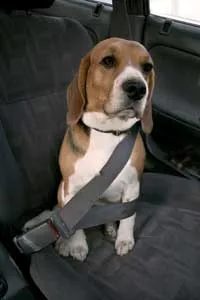
State laws on seat belts vary wildly. In roughly half the states, you can get cited just for skipping yours. The other half only enforce it if you’re already stopped for something else. Regardless of where you are, buckle up. And don’t just do it for yourself.
Your pets need restraint too. It’s not just about comfort. It’s about physics. An unrestrained cat or dog becomes a projectile in a crash. Or at least a serious distraction if you’re swerving to avoid them on a normal drive.
Crating for Cats
Cats are tricky. They panic in motion. So they belong in a carrier. Not on your lap. Not under the seat where they might try to escape. A sturdy, comfortable crate is the only safe option.
But here’s the mistake most owners make: they toss the carrier in the backseat and call it a day. The carrier needs to be secured. Use the seat belt system to strap it down. Or use ratchet straps anchored to the floor or ceiling. If the car stops abruptly, that carrier shouldn’t slide into the dashboard. It stays put.
Restraints for Dogs
You can’t just clip a collar to a seat belt. That’s dangerous. If the dog lunges, the pressure is on the neck. You risk severe injury.
Most commercial pet seat belts solve this with a harness. It goes around the dog’s torso. A tether connects the harness to the seat belt buckle. Simple. Effective. Most of these setups let the dog sit or stand. They don’t let the dog wander. That’s the point.
There are other options. Some look like short leashes. One end clips to the seat belt. The other to the harness. These offer more mobility. You can adjust the length. Keep the dog from jumping into your lap. But be careful. Too much length turns into a tangling hazard.
Smaller breeds might fit into specialized pet car seats. These are basically elevated buckets with their own tethers. They hook into your car’s seat belt inserts. They keep the dog contained. And visible. Which helps you keep an eye on them.
The Second Line of Defense: ID Tags
Restraints prevent accidents. They don’t prevent escape. If a door opens at a rest stop. If a gate is left ajar. You need a plan B.
Pet ID tags are your best bet. Not just the ones attached to collars. But a permanent backup.
Make sure your tag has:
– Your current phone number
– Your pet’s name
– Any critical medical info
Update it. A change in your number renders the tag useless. And don’t forget a microchip. It’s not a GPS tracker. You can’t track a chip in real time. But if someone finds your pet, the scanner reads the chip. It links to your profile. It’s the most reliable way to reunite. If you live in an area with high wildlife activity, consider adding a note about allergies or aggression. Shelter workers need to know how to handle your pet safely.
Where to Buy and What to Check
You can find these systems at big-box pet stores. Or online. Amazon is full of options. But don’t just buy the cheapest one.
Check

You know the drill. No one leaves the house without a leash or a harness, but the collar? That’s the non-negotiable. It’s the first line of defense if your furry friend bolts.
Most pet owners already have a basic setup. A collar. A tag with their name and your local address. Standard stuff. But when you’re miles from home, that standard kit isn’t enough. You need layers. Specifically, you need tags that account for the chaos of travel.
Why Standard Tags Fail on the Road
Microchips are great. They’re permanent. They’re reliable. But they have a fatal flaw on the road: they require a scanner.
If your dog wanders off in a strange city and a local finds them, that person isn’t going to run to a vet clinic to scan for a chip. They’re going to look at the collar. If there’s no number to call, that pet is just a stray.
Think of detailed identification tags as a form of pet travel insurance.
You need a specific tag for rabies compliance. Hotels, parks, and airlines often check for this proof. Leave it at home, and you might be locked out of your accommodation or banned from a trailhead.
But the most critical addition is a travel contact tag. This isn’t your home number. This is a number where you can actually be reached while you’re in transit. A mobile number. A temporary local number. Something that rings.
Make sure the collar itself is secure. An old, frayed strap breaks easily. A loose collar is a lost pet waiting to happen. Replace it before you pack your bag.
The Logistics of Pet Carriers
Once you’ve secured the ID, you have to move the pet.
Pet carriers are not just for airplanes. They are the universal container for animal transport. Whether you’re hopping in a rental car or catching a train, you need a way to contain your pet safely.
Choosing the Right Container
The type of carrier depends entirely on your mode of transport and your pet’s size.
- Hard-sided crates are mandatory for airline cargo holds. They are durable, ventilated, and meet IATA standards. If you’re flying, check your airline’s specific dimensions. A bag that fits in the seat pocket under the plane is usually considered “carry-on” for small pets.
- Soft-sided bags offer more flexibility. They squish into tight spaces in car trunks and are lighter to carry. They work well for cats and small dogs in the cabin, but they offer less structural protection in a crash.
- Wire crates are best for road trips. They allow for maximum airflow and are easy to clean. They don’t fit in overhead bins, so they stay in the car.
Size Matters
Get a carrier that is too small, and your pet is stressed. Get one that is too big, and they’ll slide around during braking.
The rule of thumb is simple: your pet must be able to stand up, turn around, and lie down comfortably. Measure your pet from nose to tail base and shoulder to floor. Add a few inches to the height for breathing room.
Acclimation is Key
A screaming pet in a confined space ruins trips. Start training days before
Why Your Pet’s Carrier Might Be a Flight Hazard
Let’s be honest. You probably bought that soft-sided carrier during the pandemic, convinced your dog would just nap through a trip to the vet. But now? You’re looking at a cross-country flight. Or a road trip that spans multiple states. Suddenly, that flimsy fabric looks less like a cozy cocoon and more like a liability.
It starts with the door. Check it. Really check it.
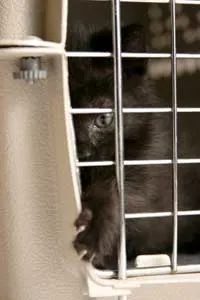
Does your pet chew it? Scratch it? If the answer is yes, you are playing roulette with your animal’s safety. Plastic doors are a gamble. Determined teeth will eventually find a weak point. Grated metal is the only real option for security. It’s chew-proof. It’s tough.
But security isn’t just about keeping them in. It’s about keeping them alive.
Ventilation matters. Look at the air openings. Are they large enough for a breeze but small enough to prevent a shimmy? If your cat can squeeze its spine through the gaps to escape, you have a problem. A escaped pet in a busy terminal or a moving car is a nightmare no one wants to manage.
The Truth About “Airline-Approved” Carriers
Here is where things get tricky. You’ll see kennels advertised as “airline-approved.” Ignore the hype.
The U.S. Department of Agriculture (USDA) explicitly warns against trusting these labels. Why? Because there is no single pre-approved type of carrier for air travel. The label is marketing, not a safety standard.
Most airlines have strict rules against wheeled carriers on board. They take up space. They complicate the aisle. If you plan to fly with your pet, assume wheeled is a no-go unless you verify the specific policy for your airline.
This is where the “how” becomes critical. Pet travel rules differ among airlines. Some require rigid crates. Others allow soft-sided ones under the seat. Some have weight limits that include the carrier itself. You cannot guess. You must contact them individually for their specifications.
Just opt for the strongest and most comfortable one for your pet. Comfort reduces stress. Stress kills.
Logistics for the Road and the Sky
If you are driving, the stakes are different but the preparation isn’t.
A first aid kit is non-negotiable. Not the tiny plastic case with two band-aids. A real kit. With supplies for emergencies. The American Red Cross and Paw Rescue both emphasize this. You are responsible for your pet’s health when you are miles from a vet.
Consider the risks. Driving with a pet introduces variables that flying does not. Longer exposure. More stops. Potential for heatstroke if the car isn’t climate-controlled. Jet lag is real for pets too, especially if you are crossing time zones by air. Their circadian rhythms don’t adjust like ours do.
Where should you look for guidance?
- USDA Pet Travel : For international and interstate regulations.
- Humane Society : For general care tips and stress reduction.
- American Association of Veterinary Medicine : For health and safety protocols.
Don’t just buy a carrier. Evaluate it. Does it withstand the bite? Does it breathe? Does it fit the specific airline’s rules?
Your pet doesn’t care about the brand. They care about safety. And comfort. And knowing you didn’t cut corners because it was easier.
The itinerary includes flying. That means the carrier is the only thing between your pet and a chaotic cargo hold or a cramped cabin floor. Make sure it holds.