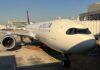
Delta Air Lines has long positioned itself as the premier choice among major U.S. carriers. Through strategic hub placement and a highly successful credit card partnership, the airline has built a brand reputation that suggests a level of luxury and reliability that is increasingly difficult to find in the modern aviation landscape.
However, a growing gap is emerging between Delta’s marketing promises and the actual passenger experience. While the brand remains strong, several operational and service-related trends suggest that Delta may be losing its competitive edge to rivals like United and American Airlines.
The Erosion of Reliability and Service
For years, Delta held a distinct advantage in operational reliability over its primary competitors. While it remains slightly more dependable than United or American, that margin has narrowed significantly since the pandemic. The airline itself has acknowledged these struggles, citing complexities such as new pilot contracts as contributing factors to operational friction.
Beyond the schedule, the “human element” of the Delta experience is also shifting:
– Staffing and Culture: While flight attendants are often cited as being friendlier than those at other major carriers, the quality of service has not returned to pre-pandemic levels, likely due to high industry-wide turnover.
– In-flight Amenities: Once a leader in passenger comfort, Delta has seen a reduction in small but meaningful gestures. The airline has cut complimentary earphones on domestic coach flights and moved away from providing amenity kits and welcome drinks on long-haul economy flights—features that were standard in 2019.
A Disconnect in the Premium Experience
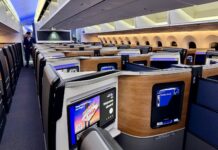
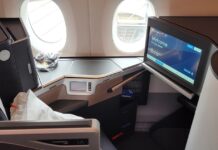
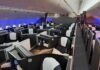
The most significant concern lies in the “Delta One” and First Class offerings, where the product often fails to meet the “premium” label.
The Catering Gap
A recurring issue is the inconsistency of onboard dining. Delta frequently advertises meals for First Class passengers on flights exceeding 900 miles. Yet, in practice, many of these flights—particularly those departing from secondary cities—fail to provide the promised service.
This often stems from catering logistics; for example, on routes like Spokane to Minneapolis, the airline may fail to “double cater” (loading extra meals at a hub to cover return legs). This results in a passenger purchasing a premium ticket under the impression that a meal is included, only to find the itinerary becomes non-committal regarding food once they are on board.
Product Lag and Infrastructure
While Delta maintains high-quality lounges, they face growing criticism regarding their utility and content:
– Lounge Issues: Major hubs, such as JFK, suffer from overcrowding, and the beverage selection has been described as underwhelming.
– Technology and WiFi: United Airlines has taken a decisive lead in the digital space, offering superior free WiFi and a more intuitive mobile app, leaving Delta’s digital experience feeling outdated.
– Fleet Limitations: Delta continues to operate older Boeing 767 aircraft that feature business class products inferior to those offered by its competitors.
The Value Proposition: SkyMiles vs. The Competition
Even the core loyalty program, SkyMiles, is facing scrutiny. While Delta’s strategic positioning in major coastal markets drives high spending and fuels its lucrative credit card ecosystem, the actual value of the miles earned is increasingly viewed as less competitive than programs like American’s AAdvantage or United’s MileagePlus.
Strategic Leadership Shifts
The decline in Delta’s “operational guru” status may be linked to a vacuum in leadership. The departure of the COO at the start of the pandemic, followed by the recent retirement of the President who drove the airline’s core strategy, has left the company at a crossroads. Without the architects of its previous success, the airline’s ability to maintain its premium status is being tested.
The Bottom Line: Delta is currently navigating a period of brand dissonance, where its marketing promises a premium experience that its evolving operations and aging fleet struggle to deliver.
Conclusion: To maintain its status as a top-tier carrier, Delta must bridge the gap between its high-end brand image and the practical realities of its inflight service, technology, and catering consistency.