


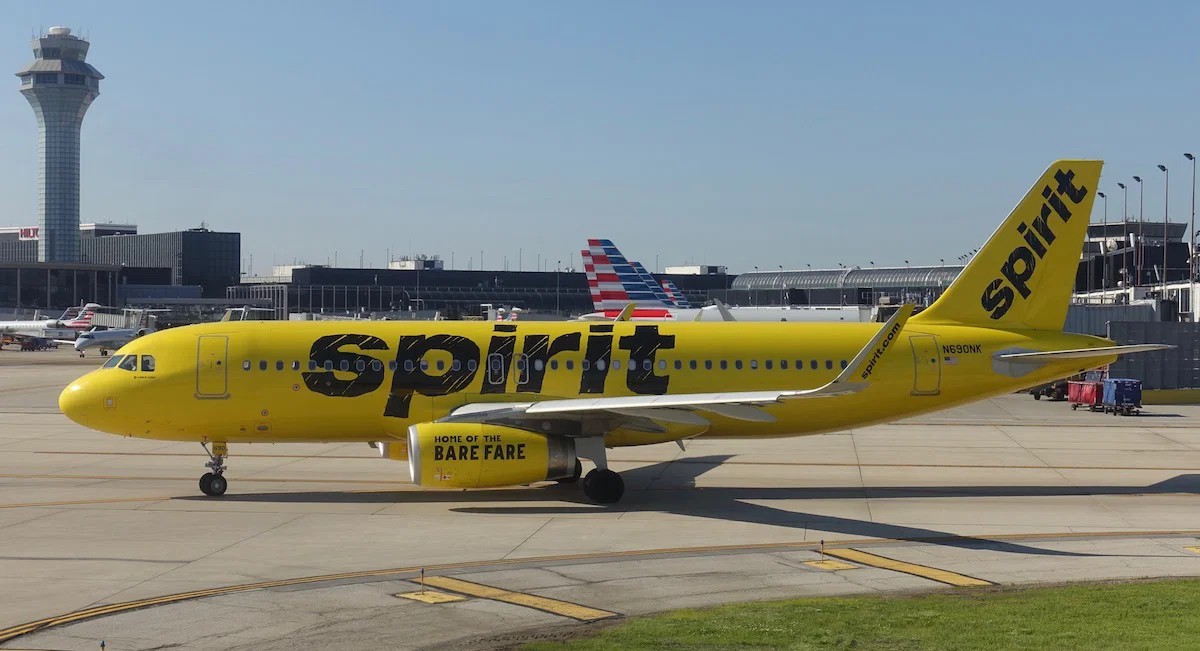
The Trump administration is reportedly nearing a deal to provide a massive financial lifeline to Spirit Airlines, a move that could signal a significant shift in how the federal government interacts with the struggling aviation industry.
The Proposed Rescue Deal
According to reports from The Wall Street Journal, the administration is considering a deal that would provide Spirit Airlines with up to $500 million in loans. In exchange for this capital, the federal government would reportedly receive warrants, potentially granting it a significant ownership stake in the carrier.
This development follows recent comments from President Trump, who expressed openness to airline mergers and suggested that the federal government might “help out” Spirit. These discussions come at a critical time for the carrier, which is currently navigating its second Chapter 11 bankruptcy filing in just two years.
A Pattern of Financial Instability
Spirit’s current predicament is not a sudden development but the result of long-standing structural issues. While the airline’s first bankruptcy attempt focused on restructuring debt, it failed to address the core problem: unprofitability.
- Weak Margins: Spirit has struggled to turn an operating profit since before the pandemic, currently maintaining some of the worst margins in the industry.
- The “Shrink to Profit” Strategy: Spirit’s current turnaround plan relies on downsizing its operations to reach profitability—a strategy that faces immense pressure from rising jet fuel prices.
- Regulatory Hurdles: The airline’s path to stability was complicated when the Biden administration blocked JetBlue’s attempted takeover of Spirit on antitrust grounds, leaving the carrier without a clear exit strategy.
Why This Matters: Precedents and Risks
If this deal moves forward, it raises several critical questions regarding economic policy and market fairness:
- The Precedent of Selective Support: If the government rescues Spirit, what happens to other struggling carriers like Frontier or JetBlue? Providing aid to one specific player creates an uneven playing field.
- Conflicts of Interest: Should the federal government hold equity in a private airline? Such an arrangement could create inherent conflicts of interest when the government must regulate the very industry in which it holds a financial stake.
- Delaying the Inevitable: Critics argue that a $500 million injection may only delay liquidation rather than solve it, as the underlying issue—an unsustainable operating model—remains unaddressed.
Shifting Regulatory Winds
Beyond the immediate financial implications, this potential bailout may signal a broader change in antitrust enforcement. If the administration is willing to facilitate a government-backed rescue, it suggests that future mergers involving airlines outside of the “Big Four” (American, Delta, United, and Southwest) may face significantly less regulatory scrutiny than they have in recent years.
The proposed deal represents a high-stakes gamble: an attempt to save a “value” airline from liquidation through direct government intervention, potentially altering the competitive landscape of U.S. aviation.
Conclusion
The reported $500 million lifeline for Spirit Airlines represents a controversial approach to managing corporate insolvency. Whether this stabilizes the carrier or merely postpones an inevitable collapse remains to be seen, but the move could fundamentally change the relationship between the U.S. government and the airline industry.


