The Asian travel market is experiencing a period of intense growth, but this expansion is far from uniform. While aggregate numbers suggest a surging industry, the reality on the ground is a complex patchwork of shifting consumer behaviors and localized demands.
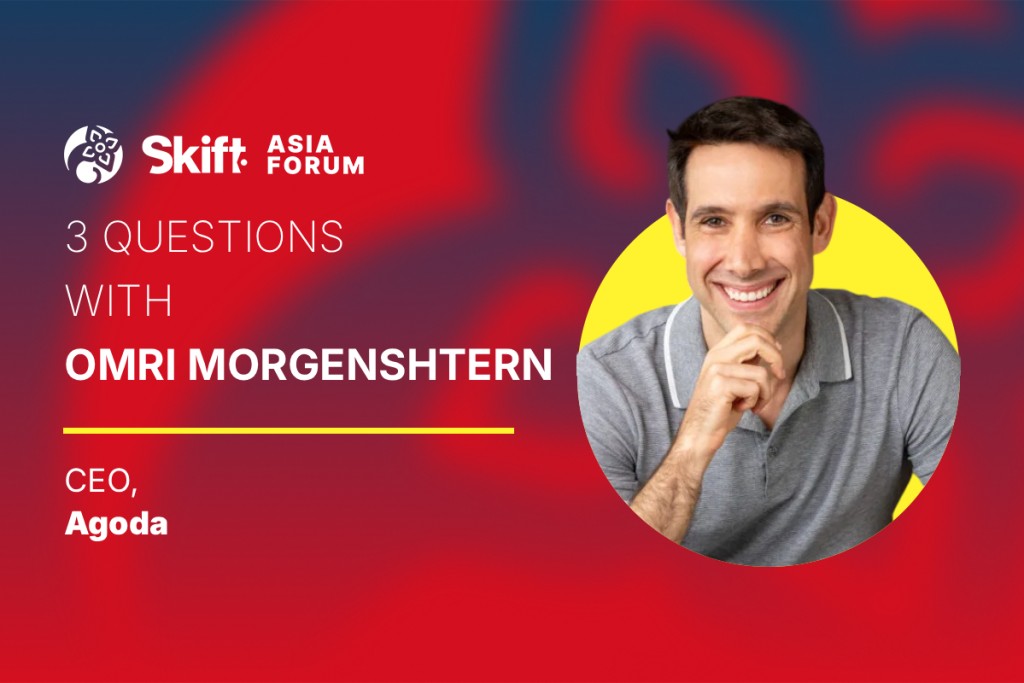
At the upcoming Skift Asia Forum 2026, Agoda CEO Omri Morgenshtern will address the core challenge facing modern travel operators: how to scale across a region that is simultaneously booming and deeply divided by local nuances.
The Three Engines of Growth
According to Morgenshtern, the next evolutionary phase of Asian travel is being propelled by three distinct, interconnected forces:
- A Rising Middle Class: Increased disposable income is turning travel from an occasional luxury into a regular lifestyle component.
- Improved Connectivity: Enhanced infrastructure is breaking down the barriers of traditional “gateway” cities, allowing travelers to access secondary destinations more easily.
- Technological Innovation: The integration of AI and smarter data is shifting the industry from a model of high-volume bookings to one of high-frequency, highly personalized experiences.
This shift means the industry is moving away from simply facilitating “more trips” toward managing a more complex ecosystem of frequent, diverse, and tailored journeys.
The Myth of the “Asian Traveler”
One of the most critical takeaways from Morgenshtern’s strategy is the rejection of a monolithic view of the region. A common pitfall for global companies is treating Asia as a single market, but Agoda’s experience suggests this approach leads to failure.
Localization must go deeper than mere translation. To succeed, companies must understand the granular details of local consumer psychology, including:
* Search Behaviors: How different cultures navigate digital platforms.
* Booking Patterns: Variations in how far in advance travelers commit to trips.
* Value Drivers: What specific assurances (such as safety or specific payment methods) are required to build trust in different territories.
Morgenshtern emphasizes that the winning formula is a “hybrid” model: maintaining a common technological and data backbone for efficiency, while empowering local teams to provide the cultural authenticity required to convert customers.
From Sightseeing to Immersion
The definition of a “successful trip” is also evolving. Data from Agoda’s 2026 Travel Outlook Report indicates a significant pivot in traveler priorities. The era of simply “ticking off” major landmarks is giving way to a demand for cultural immersion.
Modern travelers are increasingly seeking:
* Authentic local culinary experiences.
* Exploration of residential neighborhoods rather than just tourist hubs.
* Meaningful connections to local traditions and communities.
“Localization is not just about language; it’s about understanding how people search, what they value, and what assurances they need to feel comfortable.”
Conclusion
The Asian travel market is moving toward a future defined by fragmentation and personalization. To stay competitive, industry players must move past outdated, broad-stroke strategies and embrace a localized, tech-driven approach that respects the unique cultural drivers of every market.