The Long Way Home
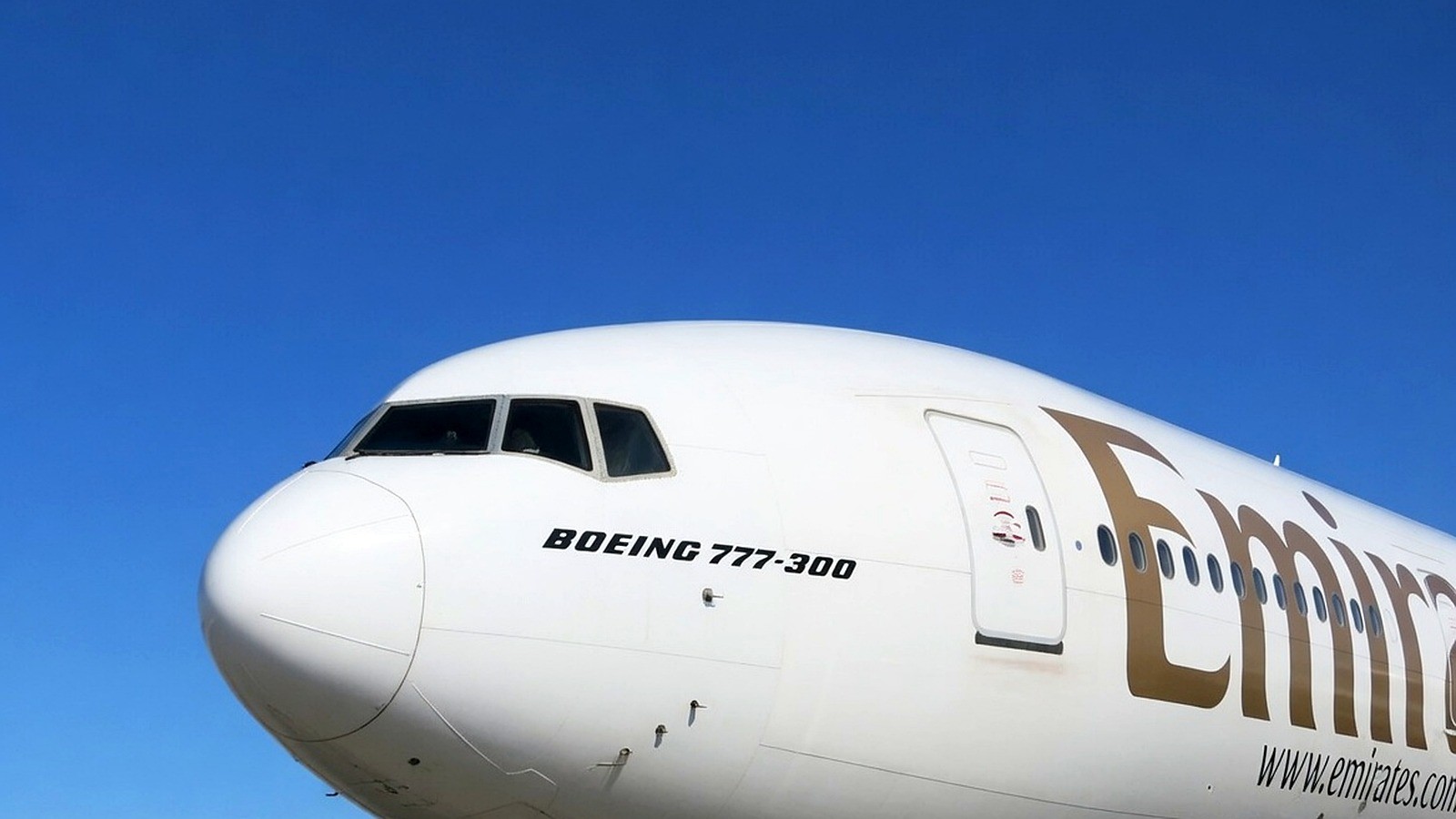
Seventeen hours in the air. That’s not a typo. The scheduled run from Dubai to Miami is usually 15 hours and 47 minutes, give or take a minute or two. Saturday’s flight, Emirates 213, added 20 whole minutes to the clock. Just flying.
Weather didn’t help.
Miami was dumping rain. Not a shower, a deluge. Heavy, horizontal, and violent enough to spawn windshear clouds. The kind of atmospheric mess that makes pilots sweat through their flight suits.
Runway 9 was the plan. The Boeing 777 descended toward it, wheels down, flaps extended. Then they pulled up. Aborted the landing. Low visibility, gusting winds, the works.
“We’re minimum fuel,” the crew told air traffic control after the first go-around.
Not an emergency. Yet. It was a polite warning. We can land, but only if you give us a clear shot right now. Do not make us wait. Do not send us in circles. If you delay us, we burn the reserve we’re supposed to save for exactly this moment.
Control suggested Runway 12. Closer to the calm side of the storm, maybe. The crew agreed. They were committed now.
The Second Time’s Not A Charm
They lined up for Runway 12. The runway wasn’t empty. Another aircraft hadn’t vacated yet. The tower looked at the approaching giant jet and ordered a second go-around.
Right as they were pulling up.
That was it. The margin evaporated. One go-around pushes you to minimum fuel. Two turns it into a red alert. The pilots declared Mayday. Low fuel. Now.
Priority handling engaged. Air traffic moved the pattern-clearers out of the way. On the third try, Emirates 213 touched down on Runway 12 at Miami.
Defining ‘Mayday’
Let’s get one thing straight. A fuel Mayday does not mean the engines are coughing smoke and flame. It doesn’t mean the planes are gliding.
It means the fuel left upon landing will be less than the final reserve. Usually, that reserve is 30 minutes of flight time at holding altitude (1,500 feet) above the destination. Some places want 45. This fuel is strictly for contingency. If you burn it to get there, you’ve breached the buffer.
So did they have enough to go to Fort Lauderdale?
Unlikely. When they first missed the landing at Runway 9, Fort Lauderdale might have been viable. But once they accepted the runway change and declared minimum fuel? The door was closing. By the second go-around, switching fields would mean burning even more fuel in new holding patterns, facing unknown weather, and fighting traffic delays at a different airport. It wasn’t an option anymore. It was survival.
Where It Broke Down
Fault is hard to pin. No one messed up the fuel load calculations. Long sector, bad weather, two go-arounds? That burns buffer fuel fast. Carrying extra fuel for exactly this nightmare is what airlines do for a living. They probably had a little bit of cushion left, technically speaking. But the timing was brutal.
The crew did the right things. Go around for the storm? Smart. Check on diversion? Protocol. Declare minimum fuel when the first option died? Necessary. Declare Mayday when the second delay pushed them off a cliff? The only move left.
So where’s the crack in the foundation?
Runway protection. After a pilot says “we are minimum fuel,” the system needs to grease the chute. A plane sitting on the runway ahead of them created the exact delay that turns tight fuel into emergency status. The tower was correct to order the go-around. Safety first. Always.
But it’s the collision of procedure and physics. The tower can’t leave a blocked runway open. The plane can’t hover on empty. And so, for those few heart-stopping seconds between the second missed approach and the Mayday call, a billion-dollar airliner was dancing on the edge of the unknown.
Nobody knows if a little more extra fuel would have smoothed the landing. Probably yes. Probably not. But we are here, the plane landed, and the next flight books anyway. ✈️