The landscape of social drinking is shifting. What was once a choice between alcohol or a trip to a specialized cannabis dispensary is rapidly evolving into a third option: hemp-derived THC beverages. From convenience stores and gas stations to major retailers like Target and Total Wine, these “hemptails” are moving out of the fringes and into the mainstream.
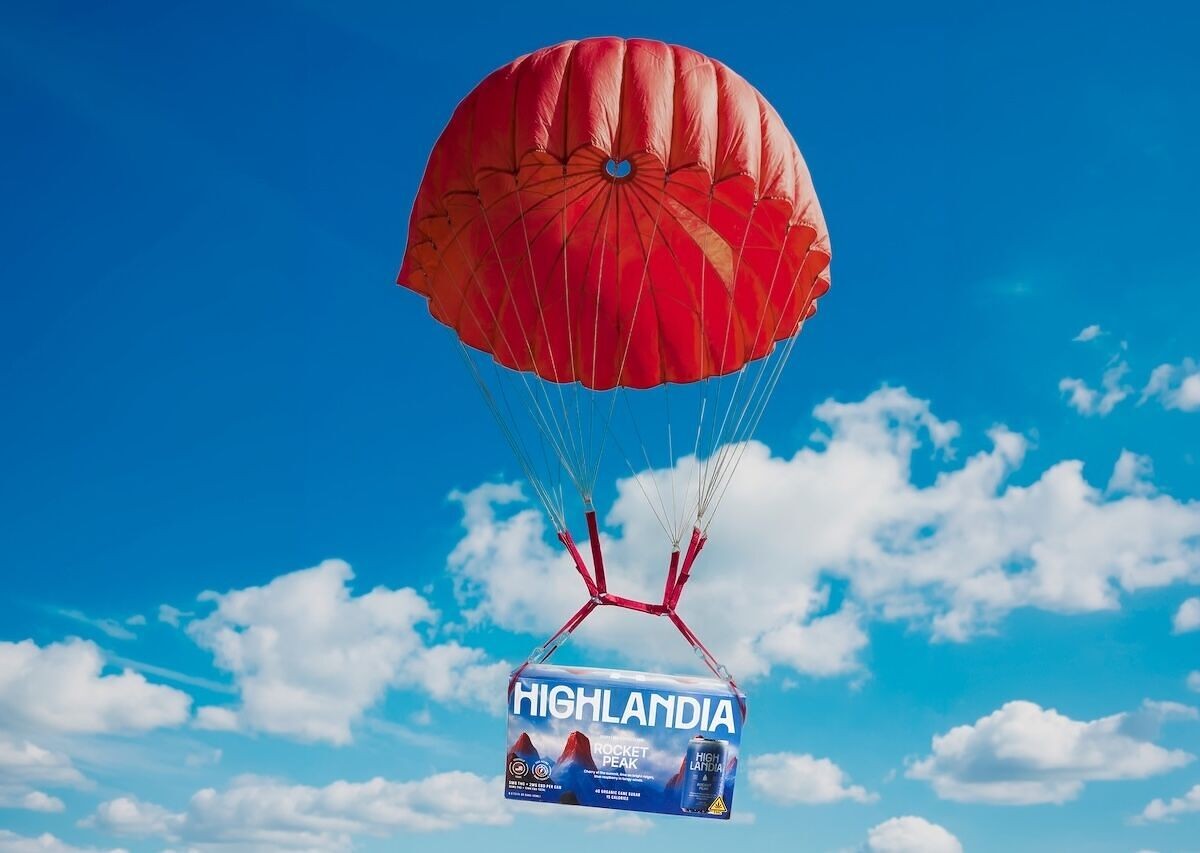
Leading this charge is Highlandia, a brand that isn’t just selling a beverage, but a concept of “mental escape.”
The Rise of the “Everyday” THC Drink
Unlike traditional cannabis products, which often require navigating complex dispensary networks, hemp-derived THC drinks have leveraged a regulatory loophole created by the 2018 Farm Bill. This has allowed them to pop up in unexpected, high-traffic locations:
- Retail Giants: Target carries hemp-derived drinks in Minnesota; Total Wine has dedicated “hemptail” sections.
- Entertainment Venues: The United Chicago sells THC beverages during concerts.
- On-the-Go Access: Circle K has announced plans to sell these products in up to 3,000 stores nationwide by 2026.
This accessibility is transforming THC from a niche “festival” product into a normalized social option. As industry experts note, while Los Angeles and NYC remain cultural hubs, states like Minnesota and Wisconsin are becoming the new frontiers for everyday hemp-derived consumption.
Highlandia: Selling a Destination, Not Just a Can
Highlandia’s branding strategy taps into the psychology of the modern consumer. Rather than focusing purely on the science of cannabis, the brand markets a sense of place.
“Highlandia was born from the idea that cannabis isn’t just a product, it’s a place you go,” says Warrender, a key figure behind the brand.
The brand describes its vibe as a “desert oasis meets a futuristic retreat”—a grounding yet surreal experience. By offering different dosages (from 5mg “sessionable” cans to 50mg options) and utilizing nano-emulsification technology, Highlandia ensures the effects kick in as quickly as a standard cocktail. This makes the product a seamless fit for travelers looking for a way to unwind without the heavy impact of alcohol.
The Regulatory Cliff: A Looming Deadline
Despite the rapid growth and massive market projections—with the hemp THC market estimated to reach $28.4 billion by 2025 —the industry is standing on shaky ground.
A significant regulatory shift is approaching: November 2026. At that time, a federal ban on hemp-derived products containing more than 0.4mg of THC is set to be enforced. If this happens, the current “Wild West” of easy, widespread access could vanish overnight, leaving the market fragmented and heavily dependent on individual state laws.
The Industry Response: Seeking Guardrails
Rather than fighting regulation, innovators like Highlandia are actually calling for it. The goal is to move away from the “loophole” era and toward a legitimate, standardized industry. By implementing rigorous quality and dosing tests that exceed current market standards, brands are attempting to prove they are professional players capable of surviving a regulated future.
Summary
The THC beverage market is currently enjoying a period of unprecedented accessibility and rapid growth, driven by clever branding and regulatory loopholes. However, the industry faces a critical turning point in 2026 that will determine whether these “escapes” remain a casual travel staple or become a strictly regulated, state-by-state commodity.