Air travel has become a strange arena for moral posturing. Usually, the headlines skew the other way. A father claims first class. The mother and kids are shoved into economy. Critics scream. Defenders whisper about upgrades or business necessities.
This time? It’s reversed.
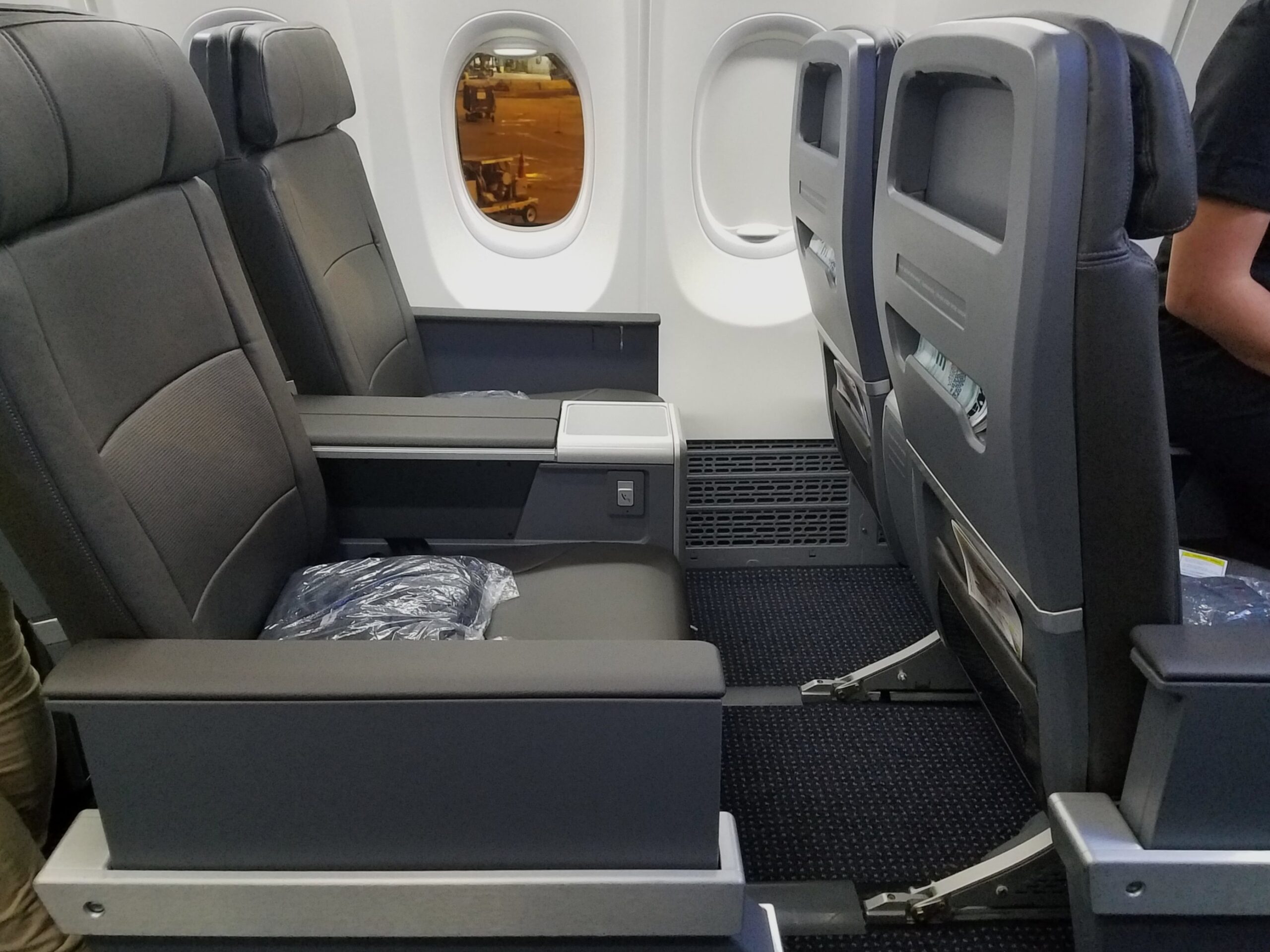
A dad sat in coach while his daughters enjoyed first class. Naturally, he then tried to switch with a stranger already seated in first. His offer: he keeps his coach chair so he can keep an eye on his offspring in premium seats. A stranger must stay put. He can move to the back.
The logic here doesn’t just stumble; it falls through a crack in the floorboards.
The Economics of the Cheap Move
Let’s look at the mechanics of this decision. He paid for nothing. He bought a ticket for one. Then he gambled on the mercy of a fellow passenger. It’s a classic sucker punch.
He likely hoped for a passenger willing to swap just to be near the children.
Is this a life lesson? Or just a failure to manage resources? If he truly believed his girls should sit in first, why not pay for it? If cost was the only barrier, why separate the unit entirely? The alternative was simple. Offer his paid coach seat to the passengers next to him. Everyone sits together. The price tag remains zero.
He didn’t choose that path.
Raising “Hard” Kids or Spoiling Them?
Some argue this split is intentional. They call it forging character. Let the children fly premium while parents slog it out in the back row? The narrative suggests it prevents entitlement. That kids need to suffer in the rear so they don’t get too comfortable in the front.
I disagree.
We have spent decades worrying that we give our kids too much. That comfort makes them lazy. We look back at the stories of childhood hardship. The camping trips with no facilities. The long drives without snacks. We think these build grit.
But being apart from your family for six hours isn’t grit. It’s separation anxiety waiting to happen.
Years ago, industry legends like Ace Greenberg at Bear Stearns looked for “P.S.D.s.” Poor, Smart, Desire. They believed poverty bred ambition. That if you gave them everything, you took away their hunger.
There is truth to the desire. You need kids who want to run their own lives. You don’t want them reliant on a paycheck to survive. Freedom to fail is essential. You want them bold.
But there’s a line between supporting freedom and creating emotional distance. Flying apart isn’t building that desire. It’s just awkward.
The Question of Memory
Imagine you are eighty years old. You’re sitting in your kitchen. Or perhaps in a nursing home. You look back.
Will you remember the specific fabric of the coach seats? No.
Will you remember the silence in the first class cabin while your children sat alone? Maybe.
Will you regret focusing on your work while they were bored, tired, and unhappy in a smaller cabin above your head? Or will you regret spending that time separated by metal and pressure differentials when you could have just been a father?
It’s hard to say for sure.
For young children, being separated isn’t a lesson in resilience. It’s just confusing. They see the shiny seats. They get snacks. They look up. Their parents aren’t there. The flight attendant looks down, polite but distant.
For teens? Maybe the back row is fine. They might appreciate the distance.
The Ultimate Hypocrisy
What baffles me most isn’t the split itself. It’s the attempt to have it both ways.
Parents want to send kids ahead because they believe it’s an upgrade. Or they want them ahead because it’s a reward. But they stay behind to “supervise.” Or worse, to “monitor.”
If they really believed the premium cabin was better for the children’s comfort, why endure the noise and indignity of coach?
If they believe coach is better for character building, why send the kids forward?
Maybe the parents assumed the flight attendants would essentially act as babysitters in the first class section. A smaller cabin. Fewer distractions. More attention per child. It’s an assumption, sure. But it’s also an admission of defeat. They didn’t buy the seat so they could watch them. They bought it to outsource the supervision to a professional they couldn’t afford, hoping for a free ride in terms of responsibility.
It’s messy. It’s unfair to the other passengers. And frankly, it misses the point of traveling together entirely.