You can find Shimodate tucked away in Ibaraki Prefecture on Honshu. It sits right on a tributary of the Kokai River. That water matters. It used to power the city’s cotton industry. During the Tokugawa era, Shimodate was a major textile center. Looms were busy. Cloth was shipped out. Then came the railways.
The Meiji era changed everything. Track lines connected Shimodate to Mito to the east. They linked it to Utsunomiya to the northwest. Transport improved. Trade grew. The city shifted from cotton to something else. Now it is a commercial hub. It produces electrical appliances. It is a transport center. The population has been shrinking though. In 2005 there were 112,581 people. By 2010 that number dropped to 108,521.
Why Visit Shimodate Today?
Most people drive through. They miss it. But the history is real. You can walk where textile workers walked. The old factories are gone. The spirit remains in the street layout. The railway connections still define the city’s shape. If you are planning a trip to Ibaraki, this is a stop worth making. Not for the big malls. For the quiet industry.
How to Get There and Where to Stay
Getting there is easy. The rail links from Mito and Utsunomiya are direct. You can hop on a train. It takes a few hours depending on your start point. Once you are in Shimodate, stay local. There are budget hotels near the station. Prices are lower than in Tokyo. You save money on lodging. Spend it on food instead.
What to See and Do
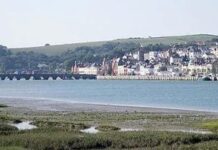
Don’t look for skyscrapers. Look for the river. Walk along the Kokai River tributary. It is peaceful. The water is still. You can see how the city grew around it. Then visit the electrical appliance shops. They are everywhere. You can buy high-quality electronics at reasonable prices. It is a different kind of shopping. Not trendy. Just practical.
When to Go
Spring is nice. The river banks bloom. Autumn is better. The leaves turn red. The air is crisp. You can walk further. You can see more. Summer is hot. The humidity is high. Winter is cold. But the streets are quiet. You can explore without crowds.
The Real Deal
Shimodate is not a tourist trap. It is a living city. People work there. They live there. They raise families. The population decline is visible. Stores close. Some buildings sit empty. But there is energy. It is in the factories. It is in the trains. It is in the river.
If you want a break from the neon lights of Tokyo, come here. Walk the streets. Buy some electronics. Eat local food. Watch the water. It is simple. It is real. And it is yours to discover.