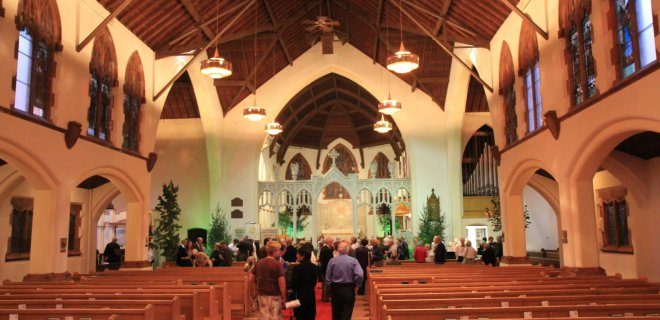
It dominates the horizon. This is the first thing you notice. A 44-meter tower made of stone and brick rises into the Saskatchewan sky. This is the Cathedral of St. John the Evangelist. It is more than just a church. A symbol of Saskatoon.
The construction took five years. Construction began in 1912 and was completed in 1917. The result was a massive Gothic Revival building. The length is 40 meters. The width is 14 meters. The height is 44 meters. It was majestic.
Once inside, the space expands. The cathedral can accommodate 800 people. It’s huge. If you’re looking for a spiritual sanctuary in Saskatoon, you’ve come to the right place. It is the seat of the archbishop. This creates weight. It gives it history.
“The cathedral is still the symbolic heart of the city, combining spiritual significance with architectural splendor.”
Why is this important to you as a tourist? It’s not a museum. This is a working church. When you walk through the nave, you get an idea of the scope of the work. Gothic style demands respect. The sharp arch and verticality push the eye upwards. Designed to feel small. That’s the point.
Visiting is easy. The history does not mention an admission fee, but donations are welcome. It functions as a community center. Service may be available. Maybe just sit quietly. In any case, it established the religious history of the city.
Saskatoon has changed since 1917, but this building has not. It is a reminder of the origins of this city. If you’re planning a trip to the Canadian Prairies, it’s a must-see. This is the most unique landmark you will find.
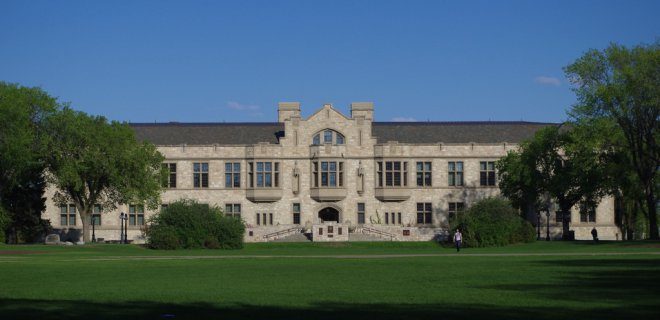
Why Elizabeth Tower is Saskatoon’s most iconic landmark
Saskatoon’s skyline has changed, but the Elizabeth Tower is still a pillar of the city. Locals call it the Peter McKinnon Building, but for those walking along the South Saskatchewan River, its shape is more important than its name.
There is no doubt about it. When viewed from above, the structure has a distinctive large “E” shape. This is not just an aesthetic choice. It is a functional clue to this history. Built in the impressive Neo-Gothic architectural style, this building was opened in 1913. It is one of the oldest and best known buildings on the University of Saskatchewan campus.
“This building is a National Historic Landmark and a legacy of early 20th century academic pursuits.”
The Peter McKinnon Building is more than just a photo opportunity for tourists. Its location on the river makes it a focal point for evening walks. The Gothic details – sharp arches and stonework – contrast with the modern city growing around it. This is a piece of history that will never fade, especially since it is one of Canada’s great educational heritage sites.
If you plan to go, plan your walk in the late afternoon. When the light hits the stone facade before sunset, it highlights the intricate masonry structure. It can be seen from various points along the riverside path, but as you approach the base, you can discover the scale of the E pattern. This is a reminder that universities are built to last for centuries, not just one semester.
The significance of the building goes beyond its appearance. It serves the various tasks of the university and is the center of its activities. But what impresses passengers the most is its appearance. It is a landmark that defines the university’s presence in the city.
Wanaskewin Heritage Park: More info
Just a short drive from the river bank, the scenery changes. The rocks of the city have replaced the vast open meadows of the prairie. This is the Wanaskiwin Heritage Park.
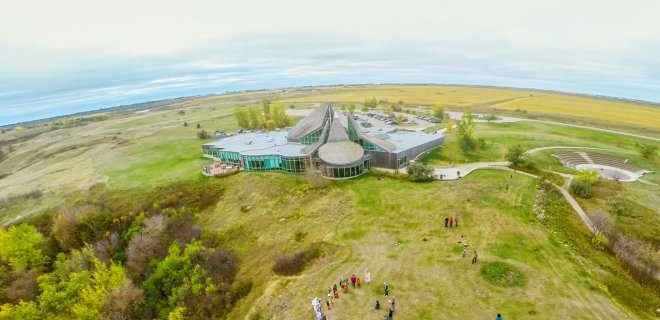
Wanuskwin Heritage Park is more than just a place on a map. This is a huge cross section of 240 hectares located on the west bank of the South Saskatchewan River. This National Historic Site tells the story of the people of the Northern Plains. Their history here goes back about 6000 years. Archaeological materials dating back thousands of years can be found. This is Saskatoon’s main historical attraction. Perhaps the most modest place in Canada.
Why go? Because landscapes tell stories that books often miss. The meadows here are not open spaces. They are living museums. You walk where your ancestors walked. You can see the bison jumping. These places are scattered around the landscape. You have to walk a little. Let’s see.
This park takes you deep into the northern plains.
How can I experience it correctly? Just don’t drive by. Take a guided tour. They filmed bison jumping. They will show you a tipi ring. The staff knows the area well. They bring works of art to life. Without these, you might just see dirt and grass. Stay with them and you’ll see civilization in action.
When is the best time to visit? The days are long in summer. The grass is green. But autumn brings color. The sky expands. The light hits the river in many different ways. It’s quiet in winter. The path is clear. But you need the right gear. The wind blew through.
Payment? There is an entrance fee. But they support retention. Worth every penny. The interpretation center adds context. Handicrafts are carefully displayed. Be aware of the tools you use. trade route. mental exercises. This is more than just history. This is identity.
Where is it? Near Saskatoon. About a 20-minute drive from the city center. You can rent a car. Alternatively, you can use local transport. There is plenty of parking space. The facilities are very modern. The bathroom is very clean. There is a gift shop. But the real treasure is outside.
What should I bring? Sunscreen. water. They are good shoes. The terrain may be uneven. There are insects in the summer. A hat helps. The same goes for cameras. The landscape is vast. The sky is wide. Take a photo of the horizon. I forget to look at the ground.
How does it compare to other parks? This is not a theme park. There is no ride. There were no crowds of screaming tourists. It’s peaceful. Reflective. Serious. You are here for history. You stay there and wait for silence. The bison herd is a highlight. Seeing them roam freely increases the sense of reality. A reminder of the power of ecosystems.
Why is it important? Because it protects the way of life. Northern Plains cultures were durable. It worked out. Today it is flourishing. The park respects this continuity. This is respect for our ancestors. Now it is taught. It inspires the future. You decide on a deeper understanding. A sense of connection.
Is it worth the detour? completely. If you’re in Saskatoon, don’t go to your average museum. Go here. Follow the path. Listen to the sound of the wind. Look at the river. Feel the weight of 6000 years. It’s more than just a park. This is a pilgrimage.
Delta Bessborough Hotel
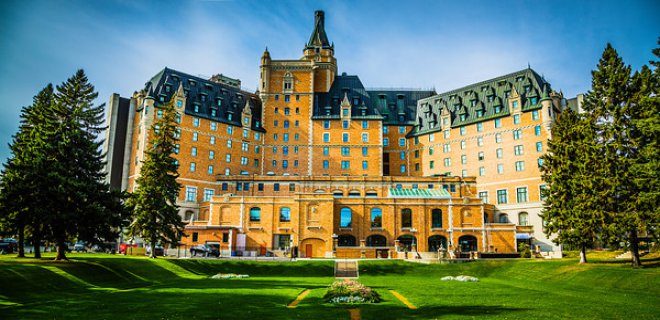
Delta Bessborough: history, altitude and hospitality
Built by Canadian National Railways in 1935, Delta Bessborough is more than just a place to park your car. This is a groundbreaking event. It is 10 stories tall and can be seen from almost anywhere in Saskatoon. The area of the building is 20,000 square meters. This footprint takes over the city center. It currently operates as a 225-room hotel. Tourists still flock to this historic place. Why? Because being here feels like stepping into the past.
Broadway Bridge
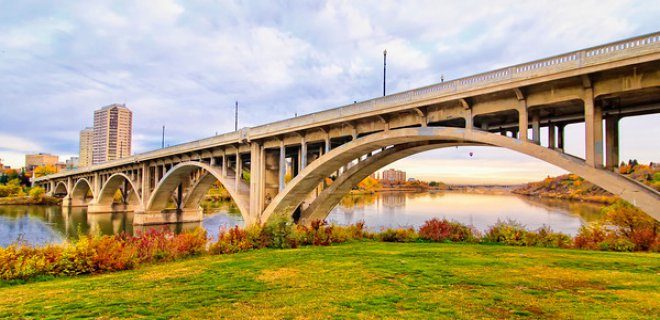
Aleksei bridge is more than just a crossing. That’s why Saskatoon has a skyline worth seeing.
You stand on the banks of the South Saskatchewan River and look up. The span of the steel arch is 355 meters. It is very long. It was built in 1931-1932. The deck is about 14 meters wide. cars, trucks, buses. In winter they all go through ice, and in summer they all go through ocean currents.
This is the Alexei Bridge Saskatoon landmark. Any postcard. Any scene in the movie.
If you are planning a trip, skip the typical trips. Go here.
Why this bridge is important to your journey
Most guides cover this as background. This is wrong. You can walk there. You can go there by car. However, you have to get the timing right.
This bridge connects the university side to the city center. One aspect is academic. Quiet. Brick building. It’s very busy there. restaurant. Hotel. noise.
As soon as you walk in there is a contrast.
“Bridges are a symbol of this city. Without them, Saskatoon would be just two cities across the river.”
When to find the best photos
Spring. autumn. winter.
It is very crowded in summer. The road was full of joggers. The light is even.
Spring brings thawing. The river has risen. The ice broke. This is dramatic. The water flows quickly. The bridge was in place.
Winter is harsh. But the light is sharp. There is snow on the tracks. The sun shines on the steel. blue sky. High contrast.
Autumn gives us color. The trees along the river are starting to change color. The body of the bridge is gold and red.
How to experience being a local
Just don’t drive by.
Follow the path. Both sides of the bridge have their own footpaths. It’s stoned. Clear.
Start from the city center side. Go east. You see the city moving away from you. The buildings are getting shorter and shorter. The trees took over.
Or Let’s start from the university side. Go west. You see the horizon approaching. The bridge looks big. Water is dripping below.
This will cost. Parking near the bridge is difficult. Street meters are strict.
Find a place in an alley. Please walk away. It takes 10 minutes. It’s worth it.
What attractions are nearby?
Besides that, it is the center of everything.
The Western Development Museum is nearby. history. train. Agricultural equipment. It fits well with the gritty feel of this bridge.
In summer, a riverside market is organized. fresh products. local honey. Craftsmanship. Located in the city center. You can eat while looking at the steel arch while shopping for groceries.
In winter, the river turns into a skating rink. Mewasin Valley Path follows the water. You’re skating under a bridge. The sound of the blade hitting will remain. I heard the sound of cars from above.
It’s a definite feeling. You are below the world. But that’s about it.
In which direction should I go?
If you have a rental car, please rent one. The bridge is wide enough. But you miss the details. The sound of the river. wind.
If you walk, wear layers of clothing. Jean Fengzhan. Even in summer. this is