


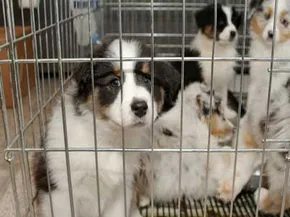
The moment the temperature drops, sickness moves through schools and daycares with terrifying speed. A single sneeze, a cough, and suddenly a mini-epidemic is underway. Dogs face the exact same threat. Kennels, grooming salons, and pet stores are ground zero. These confined spaces, packed with dogs and short on fresh air, are the perfect breeding ground for kennel cough, technically known as infectious tracheobronchitis.
It spreads fast. Like the human common cold, this bronchitis is highly contagious. Most dogs show mild symptoms: a hacking cough, maybe a slight drop in appetite, and a low-grade fever. Recovery usually takes just two weeks. But understanding how it jumps from dog to dog helps you protect your pet.
How Kennel Cough Spreads
The primary culprit is the bacteria Bordetella bronchiseptica. Canine adenoviruses Type 1 and 2 often tag along for the ride. These pathogens are airborne. When an infected dog coughs, it sprays microscopic droplets into the air. Dust, moisture, and mold catch these particles, turning them into invisible carriers. Another dog breathes them in.
Once inside the nose and throat, the bacteria attack the mucociliary escalator. This is the respiratory tract’s defense system: hair-like cilia coated in mucus that trap invaders before they reach the lungs. The bacteria irritate and damage these cells. The result? The body forces a cough to clear the irritation.
The Reality of Boarding
Bring your dog home from a vacation, and you might find them wheezing. It’s unsettling. You packed their favorite toys. You booked the best facility. And yet, they’ve picked up bronchitis.
Fortunately, kennel cough is rarely dangerous. Its reputation is worse than its actual impact. Most healthy dogs bounce back quickly with rest and time. The key is knowing when to intervene and how to keep the rest of your pack safe.
Treatment Options
Veterinarians typically approach treatment based on severity. For mild cases, rest and hydration are often enough. The body clears the infection on its own.
If symptoms are more persistent or if the dog is elderly or immunocompromised, antibiotics may be prescribed. Doxycycline or azithromycin are common choices to target the Bordetella bacteria. Cough suppressors are sometimes used to help the dog rest, though vets caution against suppressing a cough that helps clear the lungs.
Humidifiers can soothe irritated airways. Steam sessions in a bathroom can provide temporary relief. Keep your dog away from other pets until they are fully recovered. The airborne nature of the virus means even a healthy dog in your household could catch it.
Prevention Is Cheaper Than Cure
Vaccines exist. The Bordetella vaccine is often required for boarding facilities. It doesn’t guarantee immunity, but it significantly reduces the risk and severity of illness. Discuss vaccine schedules with your vet, especially if your dog frequents dog parks, daycares, or grooming services.
Good hygiene matters. Wash your hands after handling sick dogs. Disinfect bowls and toys. Keep your dog home if they show signs of illness. The convenience of dropping them off isn’t worth the spread of infection.
Kennel cough is a nuisance. It’s loud, it’s persistent, and it’s embarrassing. But it’s also common. Understanding the mechanics of the disease removes the fear. Your


Recognizing the Signs Later
You bring your dog home from the weekend stay, and they seem fine. Maybe they’re a bit tired. But a week or ten days later, the hacking starts. That’s the incubation period for kennel cough, caused by Bordetella bacteria. By the time you see it, the infection is already underway.
The sound is distinctive. Dry, harsh, persistent. It looks like they are trying to dislodge something stuck in their throat. Often, a small amount of whitish mucus comes up. It sounds agonizing. It isn’t. The cough is a mechanical response to clear the airways of the bacteria. Other than that noise, your dog usually acts completely normal. They eat. They play. They wag their tail.
Recovery takes about two weeks. In mild cases, time is the only medicine needed. Some vets might prescribe antibiotics or cough suppressants to keep your dog comfortable, but for a healthy adult, those aren’t always strictly necessary. Skip the vet if your dog is robust and young.
Do not skip the vet if you have a puppy. Or an older dog with heart issues. Their immune systems are less resilient. If the cough lingers or worsens, it can spiral into pneumonia. That is the danger zone. Watch for these red flags:
– Green or yellow nasal discharge
– High fever
– Refusal to eat
– Labored breathing
If you see these, call the vet immediately. Pneumonia requires serious medical intervention.
Why Some Breeds Struggle More
Not all dogs get sick the same way. Brachycephalic breeds—pugs, bulldogs, boxers—are at higher risk. Their anatomy works against them. These dogs have elongated palates. That extra soft tissue at the back of the mouth narrows the airway. When Bordetella hits, these dogs struggle to generate the force needed to cough up phlegm. The infection sticks around longer. It’s harder for them to heal.
Seniors fall into the same category. Age weakens the immune response. Puppies are vulnerable too, simply because their systems haven’t fully matured. If you own one of these breeds, extra caution at boarding facilities is mandatory.
Vaccination: Timing Matters
Can you prevent it? Yes. The Bordetella vaccine exists. But it is not a last-minute fix.
The vaccine works via injection or a nasal spray. It provides protection for 10 to 12 months. But here is the catch: immunity doesn’t kick in instantly. It takes roughly four days for the body to build an immune response.
Do not show up at the boarding facility with a dog you vaccinated yesterday. It won’t help. Schedule the shot at least a few days before travel.
Also, never vaccinate a dog that is already sick. If your dog already has kennel cough, the vaccine is useless. It will only stress their system further. Vaccinate only when they are healthy.
Choosing a Safe Boarding Facility
If you are anxious about your pet catching an infection, do your research. Don’t just pick the first place you find. Ask other dog owners where they leave their pets. Word of mouth is better than marketing.
When you visit a facility, look for:
– Cleanliness. Smells matter. But so does visual sanitation.
– Credential checks for staff. Are they trained in handling sick animals?
– Capacity. Smaller kennels that board fewer animals at once reduce exposure risk. Many reputable places require proof of Bordetella immunization before accepting a dog. This is a good sign. It means they take precautions seriously.
Grooming salons are also common transmission points. Dogs sit close together. Saliva and airborne particles spread quickly. If your dog has a compromised immune system, consider private grooming sessions instead.
It’s Rarely Fatal
Most cases of kennel cough are annoying, not dangerous. Think of it as a persistent cold. Monitor your dog. Watch their behavior. If they remain energetic and eat well, you can likely wait it out.
But if you are unsure, call the vet. Better to overreact than underreact.
A Warning for Other Pets and Humans
Bordetella doesn’t stop at dogs. Rabbits, guinea pigs, pigs, and cats can catch it too. Kittens and senior cats are especially prone. If you have multiple pets, isolate the sick one immediately.
Humans can catch it as well, though it is rare. It usually presents as a mild bronchitis. If you are immunocompromised—HIV patients, those on chemotherapy, or others with weakened defenses—be careful. Do not bring a pet with active kennel cough into your home if you are high-risk. The bacteria can linger. Wash hands. Disinfect surfaces. Protect your health.


