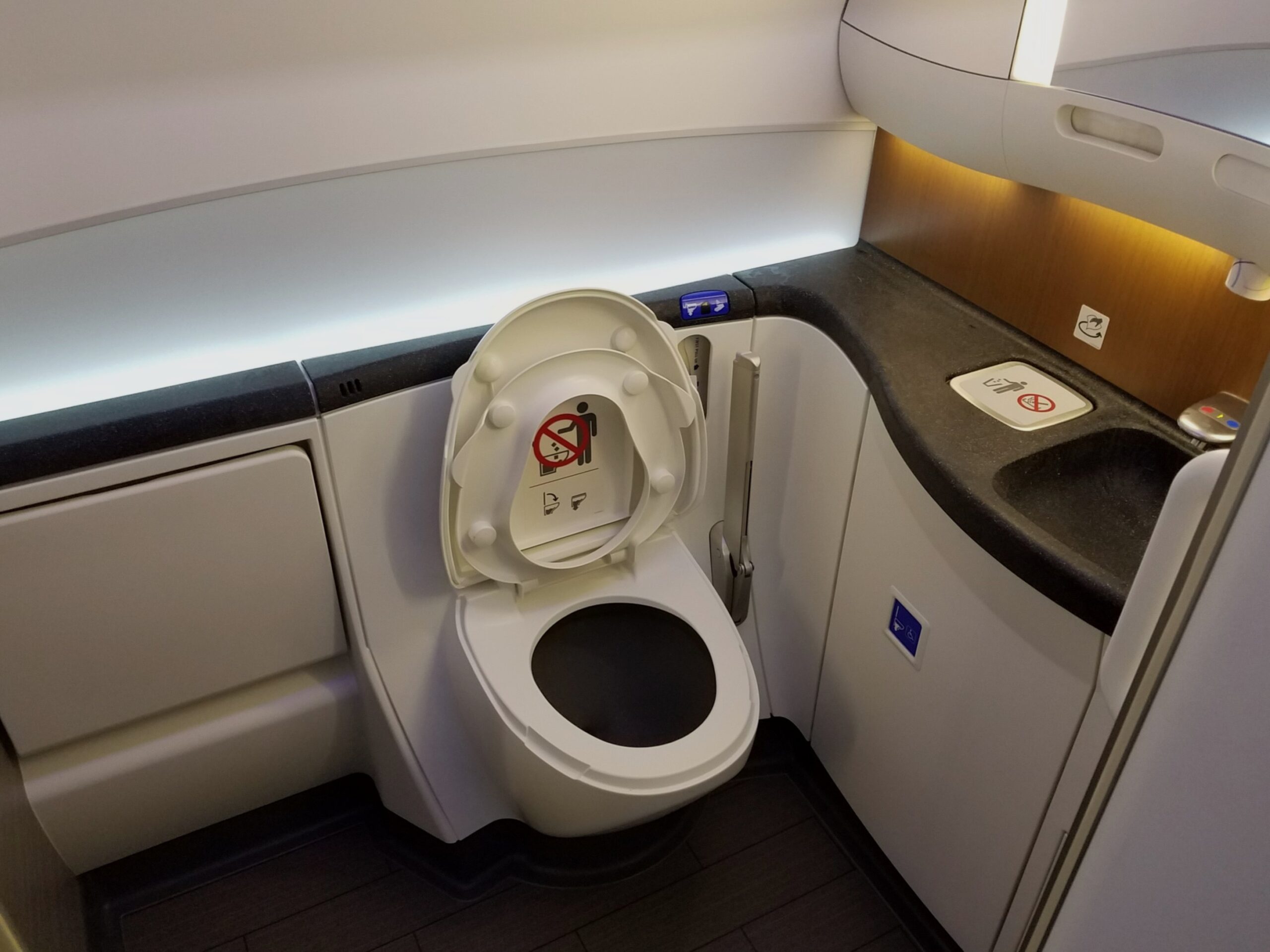
It sounds ridiculous. It probably is. But the math doesn’t lie.
If every single passenger used the lavatory before climbing aboard, airlines would save roughly $100 million a year in fuel costs. The calculation comes from Luke Jensen and Brian Yutko, who crunched the numbers on weight, fuel consumption, and the liquid sitting in the tanks of your average commercial jet.
The premise is simple: less weight equals less fuel burn. And water is heavy.
The Math Behind the Urine
Jensen and Yutko estimated that shedding an average of just 0.2 liters of urine per person would yield a $2.66 savings in fuel per flight. It sounds trivial. Until you scale it up.
With approximately 40 million commercial flights occurring annually in the United States alone, those $2.66 snippets add up fast. The higher oil prices climb, the bigger the pot of money airlines could theoretically recover by encouraging passengers to empty their bladders before takeoff.
It’s not just urine. It’s any excess liquid. Every ounce of water carried into the air is an ounce the engines must lift.
Airlines Already Incentivize Lighter Loads
We don’t need a public service announcement about bathroom breaks to see that airlines are obsessed with shedding weight. They are already using subtle (and not-so-subtle) economic levers to reduce the liquid and gear passengers bring on board.
Checked bag fees exist primarily to move weight off the plane. If you pay for the bag, the airline reduces its fuel load. Carry-on fees do the same, albeit less aggressively.
Then there is the TSA’s de facto war on water. Security restrictions effectively discourage travelers from bringing full water bottles through checkpoints. The result? Passengers buy overpriced bottles inside or go thirsty. Either way, the total liquid weight on the tarmac drops.
Some carriers go further, charging for drinks on board. If you have to pay for every soda, fewer people buy them. Fewer sodas means less water on the aircraft.
Could They Charge for Lavatory Use?
If the incentives are already working, why hasn’t this been pushed harder?
Airlines are conservative beasts. They optimize for safety and efficiency, but they hesitate to alienate customers with draconian measures. Charging for lavatory use? That would be a PR nightmare. It might technically save the money, but it would also save you from ever booking with them again.
However, the alignment of interests is already there. The system is nudging you to travel lighter, drink less, and carry fewer liquids. It’s a slow, passive nudge toward the same goal: burning less fuel.
Digital Tables and Pilot Tools
The quest for weight reduction isn’t limited to what’s in the tanks or the carry-on bins. It extends to the technology strapped into the seats.
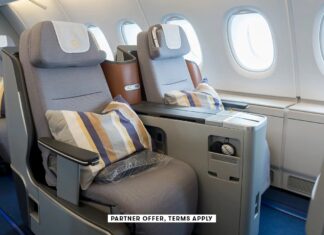
Premium carriers hand out tablets instead of installing heavy, wired seatback screens. These tablets save weight during installation and remain lighter in the air. For economy carriers that skip the screens entirely, the savings are even greater.
Pilots have made the switch too. Replacing heavy paper charts and maps with digital tablets saves major airlines over $1 million a year in fuel costs alone.
It’s all part of a relentless drive to shave pounds. A pound of weight here, a liter of water there.
The Bottom Line
The $100 million figure is a theoretical maximum based on perfect compliance. Humans are messy. We forget. We don’t go before we go. We bring too much water. We check bags.
But the potential is real. The fuel burn associated with carrying passenger fluids is a fixed cost that could be mitigated. It’s one more variable in the complex equation of airline profitability.
As oil prices fluctuate and fuel efficiency standards tighten, every pound counts. You might just be carrying a heavy load to the destination, literally and