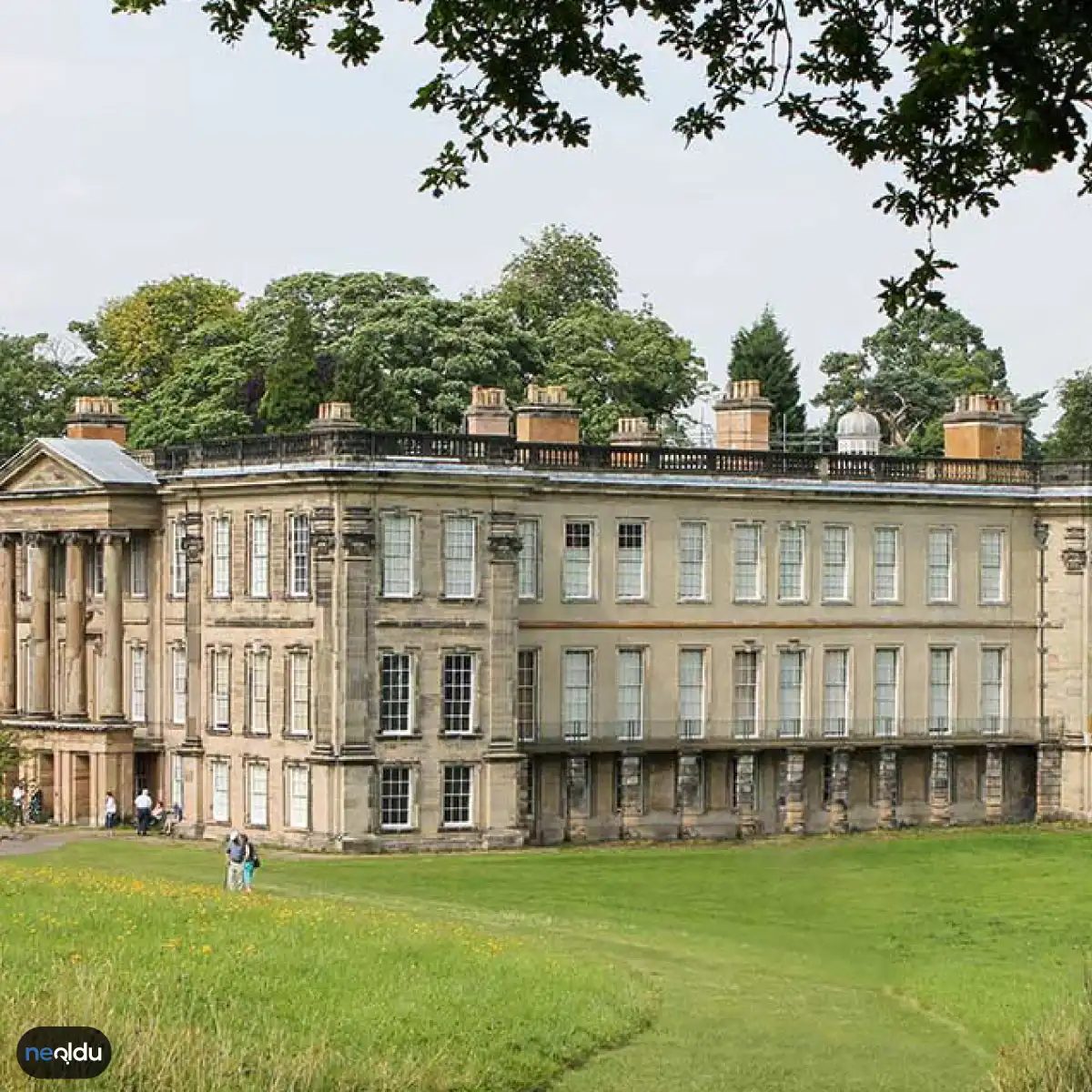
Derby doesn’t just sit on the River Derwent. It leans into it. The water defines the city’s rhythm, reflecting centuries of industry and quiet moments of beauty. Located in England’s East Midlands, this city pulls in tourists not for flashy neon, but for stone, steel, and stories. You’re probably here because you want to know what’s actually worth your time. Not the generic tours. The real spots.
We’ve cut through the noise. Here is where you should go when you plan your trip to Derby. Start with the architecture that still holds the weight of history.
1. Calke Abbey: The Time Capsule
If you want to see how the English upper class lived before modern convenience ruined everything, Calke Abbey is the place. It’s not just a house. It’s a museum of accumulated clutter that somehow feels intentional.
The National Trust manages this property, and they’ve left it alone in a way that feels shocking today. There are no vacuum cleaners here. No polished silver. Just layers of history built up over decades. You walk through rooms where chairs are patched with leather, tables are worn smooth by use, and walls are covered in portraits of ancestors you’ll never meet.
It’s overwhelming in the best way. You aren’t just looking at objects. You’re seeing the physical evidence of a lifestyle that valued function over fleeting trends. The garden is equally wild. It wasn’t manicured into submission. It grew.
“Calke Abbey is less a historic home and more a snapshot of time standing still.”
Getting there is part of the experience. It’s a drive out from the city center. You’ll see the countryside shift from urban sprawl to rolling hills. The entrance fee applies, but it’s worth every penny for the chance to touch a railing that hasn’t been touched since 1930.
This isn’t a place for a quick photo op. It’s a place to walk slowly. To notice the way the light hits a dusty window. To understand why Derby residents are so protective of their heritage.
2. Derby Cathedral: The Heart of the City
Back in the city, you can’t miss the spire. Derby Cathedral dominates the skyline. It’s not just a church. It’s a landmark that has watched the city grow from a small market town to an industrial powerhouse.
The architecture is a mix of styles. Gothic Revival meets Victorian restoration. Inside, the stained glass tells stories you won’t find in guidebooks. The stained glass window depicting the life of St. George is particularly striking. The colors are deep. The details are sharp.
You should time your visit for the afternoon. The light filters through the glass in a way that changes the mood of the nave. It’s quiet. Respectful. A stark contrast to the busy High Street just outside.
There’s a history of controversy here too. The cathedral has survived wars, renovations, and changing religious tides. It’s a testament to persistence. If you’re interested in how a city’s spiritual center evolves alongside its industrial growth, this is your starting point.
3. The River Derwent Walk: Nature Meets Industry
You can’t talk about Derby without talking about the river. The Derwent isn’t just water. It’s the city’s backbone
Darley Park
If Calke Abbey is a time capsule, Darley Park is the sprawling, sun-drenched lawn outside it. Just a short drive from the manor’s crumbling grandeur, this space offers something the house cannot: open sky and easy access. It’s not just a green patch; it’s Derby’s oldest public park, and it holds a quiet dignity that rarely gets shouted about in travel guides.
The park sits on the banks of the River Derwent. You can walk the paths here for hours without seeing another soul, unless you time it wrong. Go on a weekday morning. The light hits the water in a way that makes you pause. The trees are old, too. Some of them were planted when the park first opened to the public in the 19th century, back when Derby was booming with industrial energy. Now, the factories are mostly gone or changed, but the trees remain. They shade the paths. They drop leaves in October. It’s consistent. Reliable.
There’s a specific spot near the bridge where you can sit and watch the river move. It’s slow. Deliberate. Not like the city traffic you just escaped from. This is why people come here when they want to reset. Not for sightseeing, exactly. For breathing.
The grounds are well-kept but not sterile. You’ll see joggers early on. Dog walkers throughout the day. Couples on benches in the late afternoon. It’s a mix of locals and tourists who wander off the main streets to avoid the crowds. And why wouldn’t they? It’s free. It’s peaceful. It’s right there.
Don’t miss the hermitage ruins if you’re walking the northern path. They’re overgrown. Mossy. Forgotten by most. But they’re there. A reminder that this land has been used for retreat long before it became a public amenity. It adds a layer of mystery. A sense of depth.
The park connects to the Tissington Trail, a converted railway line perfect for cycling or walking if you’re feeling adventurous. You can extend your stay. You can go further. The city is small enough that you’re never far from something interesting, but Darley Park is where you come to stretch out. To let the trip breathe.
It’s not the highlight. It’s the relief. And sometimes, that’s what you actually need.
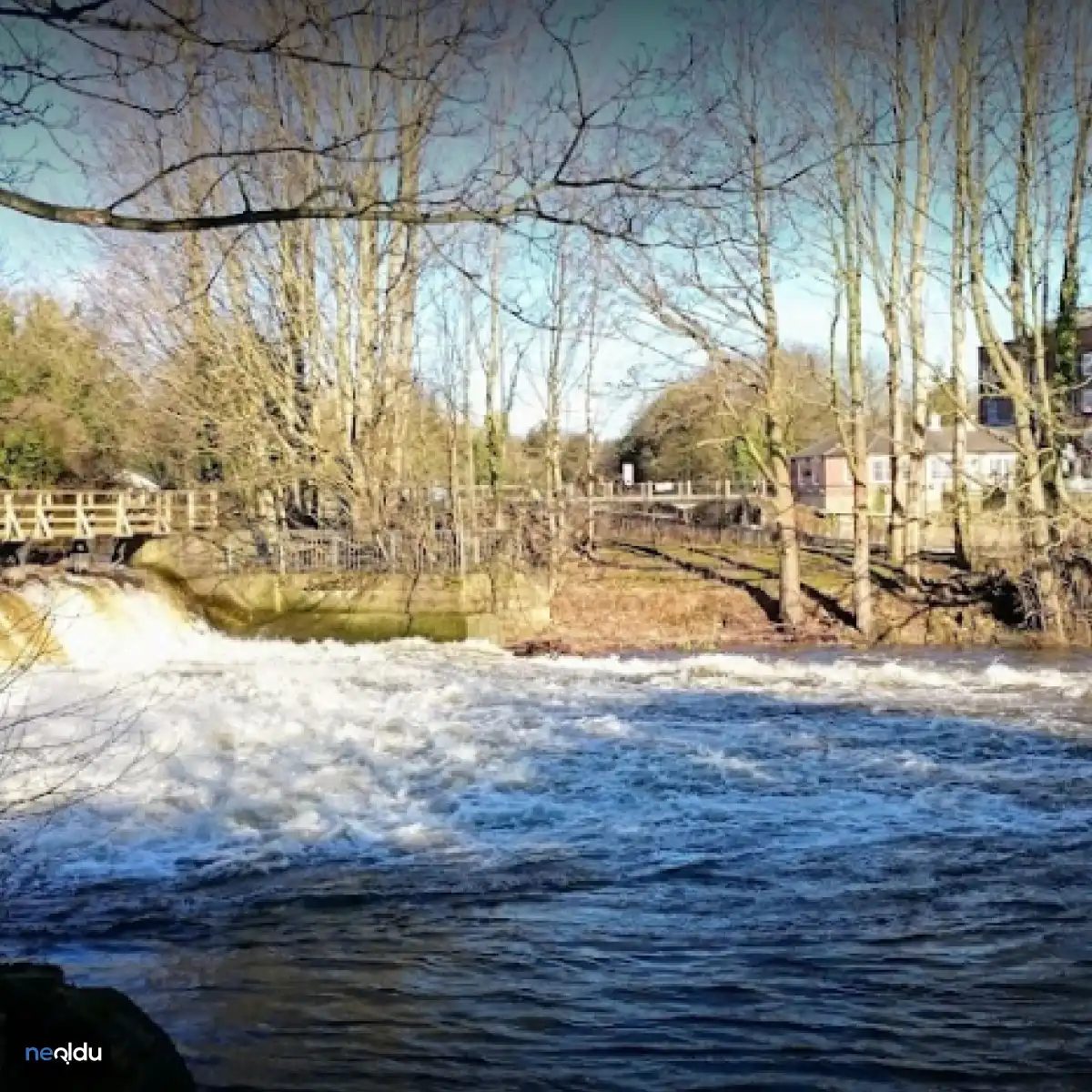
3. Derby Müzesi ve Sanat Galerisi
Derby Müzesi ve Sanat Galerisi, şehirdeki kültürel dokunun kalbinde yer alıyor. Burası sadece bir müze değil. Derby’nin hikayesini anlatan bir yaşam alanı.
Kent müzesi olarak hizmet veren bina, Victorian döneminin görkemini yansıtıyor. İçeri adım attığınızda zamanın akışını durdurmuş gibi hissedersiniz. 19. yüzyılda Derbyshire’dan çıkan sanayi devriminin izlerini sürmek burada mümkün. Mühendislik tutkusu taşın duvarlarına işlemiş gibidir.
En dikkat çeken parça kuşkusuz Isaac Watt Boulton’un yapımı olan bir otomobil parçası veya benzeri nadide sanayi eserleridir. Derby, İngiliz sanayi tarihinde özel bir yere sahiptir. Şehir, ilk mekanize pamuk iplik tezgahının doğduğu yer olarak bilinir. Bu tarihi bağlamı anlamak, müzede dolaşırken arka planda çalan bir sessizlik gibidir.
Galeri kısmında ise yerel ve ulusal sanat eserlerine yer veriliyor. Modern çağın sert çizgileri, geçmişin toprak tonlarıyla buluşur. Burada sergilenen tablolar ve heykeller, şehrin ruhunu yansıtır.
Ziyaretçiler için giriş genellikle ücretsizdir. Bu, ailenizle birlikte veya tek başınıza saatlerinizi geçirebileceğiniz bir lütuftur. Müze, şehrin merkezinde, yürüyerek ulaşılabilir bir konumdadır.
“Derby’nin sanayi mirasını ve kültürel zenginliğini tek bir çatı altında görmek mümkündür.”
Müze, hafta içi ve hafta sonları açık olma eğilimindedir. Saatler değişebilir, bu yüzden gitmeden önce kontrol etmek akıllıca olur. Özellikle çocuklar için eğitici açıdan son derece değerlidir. Tarihi objelerin yanısıra interaktif bölümler de bulunmaktadır.
Derby’de ne görüleceği konusunda kısıtlı seçenekleriniz var gibi dursa da, bu müze eksiltilmesi imkansız bir durağı temsil eder. Sanat ve tarih sevenler için ideal bir durak.
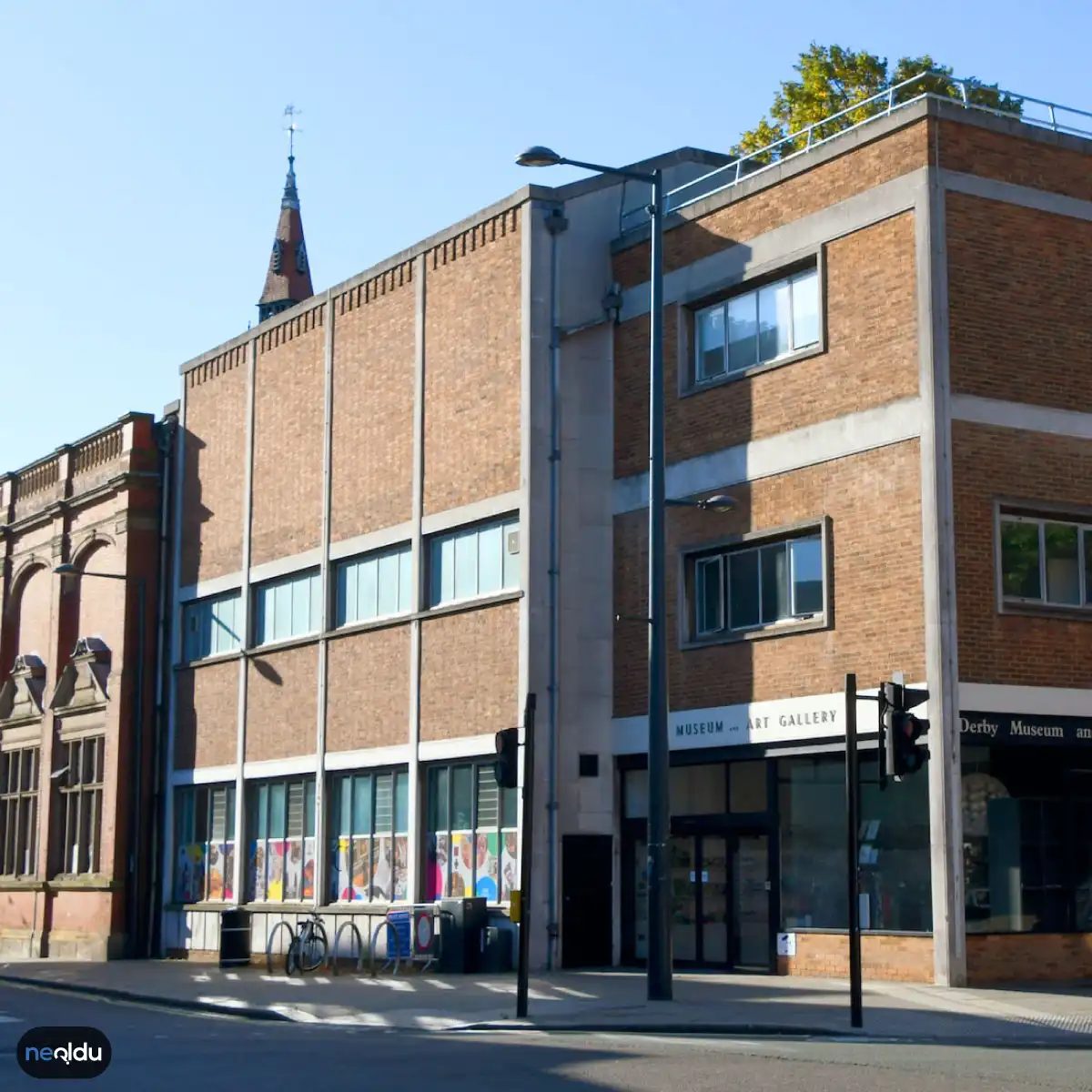
Derby Müzesi ve Sanat Galerisi’ne gelmişken, kütleden sıyrılıp biraz daha sakin bir atmosfere ihtiyacınız olabilir. İşte bu nokta Derby Katedrali.
Yerel halkın ve turistlerin sıkça ziyaret ettiği bu yapı, sadece bir ibadet yeri değil, aynı zamanda şehrin mimari kimliğinin en belirgin parçası. 13. yüzyıldan kalma kökleri olmasına rağmen, günümüzdeki görkemi büyük ölçüde 14. yüzyıldaki yeniden inşa çalışmalarıyla şekillendi. İçeri adım attığınızda, özellikle cam işçiliği dikkatinizi çekecek.
Neden Derby Katedrali’ni Listenize Eklemelisiniz?
Çoğu ziyaretçi burayı sadece dışarıdan fotoğraflayıp geçiyor. Yanlış bir tercih. İç mekana girmek, özellikle gün ışığının vitraylardan süzüldüğü öğle saatlerinde, tamamen farklı bir boyut kazanıyor.
- Vitraller ve Işık Oyunları : 14. yüzyıldan kalan bazı cam parçaları hala orijinal yerinde. Modern eklemelerle harmanlanan bu camlar, mekanda huzur veren bir atmosfer yaratıyor.
- Mimari Detaylar : Keskin kemerler ve yüksek tavanlar, sizi aşağıdakilerden izler gibi bir hissettirir. Bu, sadece estetik bir tercih değil, dönemin inşaat mühendisliğinin bir kanıtı.
- Sessizlik Arayanlar İçin Kaçış Noktası : Derby’nin yoğun sokak gürültüsünden kurtulmak istiyorsanız, katedralin kütüphanesi veya avlusu ideal bir mola noktasıdır.
Ziyaret İçin Pratik Bilgiler
Ücret konusunda endişelenmenize gerek yok. Genellikle ana giriş ücretsizdir, ancak özel sergiler veya kule turları için sembolik bir bağış veya ücret talep edilebilir.
- En İyi Zaman : Sabah erken saatler veya öğleden sonraki sessiz saatler.
- Ne Giymeli : Rahat ayakkabılar. Taş zeminler uzun yürüyüşlerde yorucu olabilir.
- Ne Görmeli : Mutlaka ana kilise odasını ve kütüphaneyi gezmeyi unutmayın.
Burada vakit geçirmek, şehrin ruhunu hissetmek için en etkili yollardan biri. Derby sadece müzelerle dolu değil; tarihi dokusuyla da nefes alıyor.
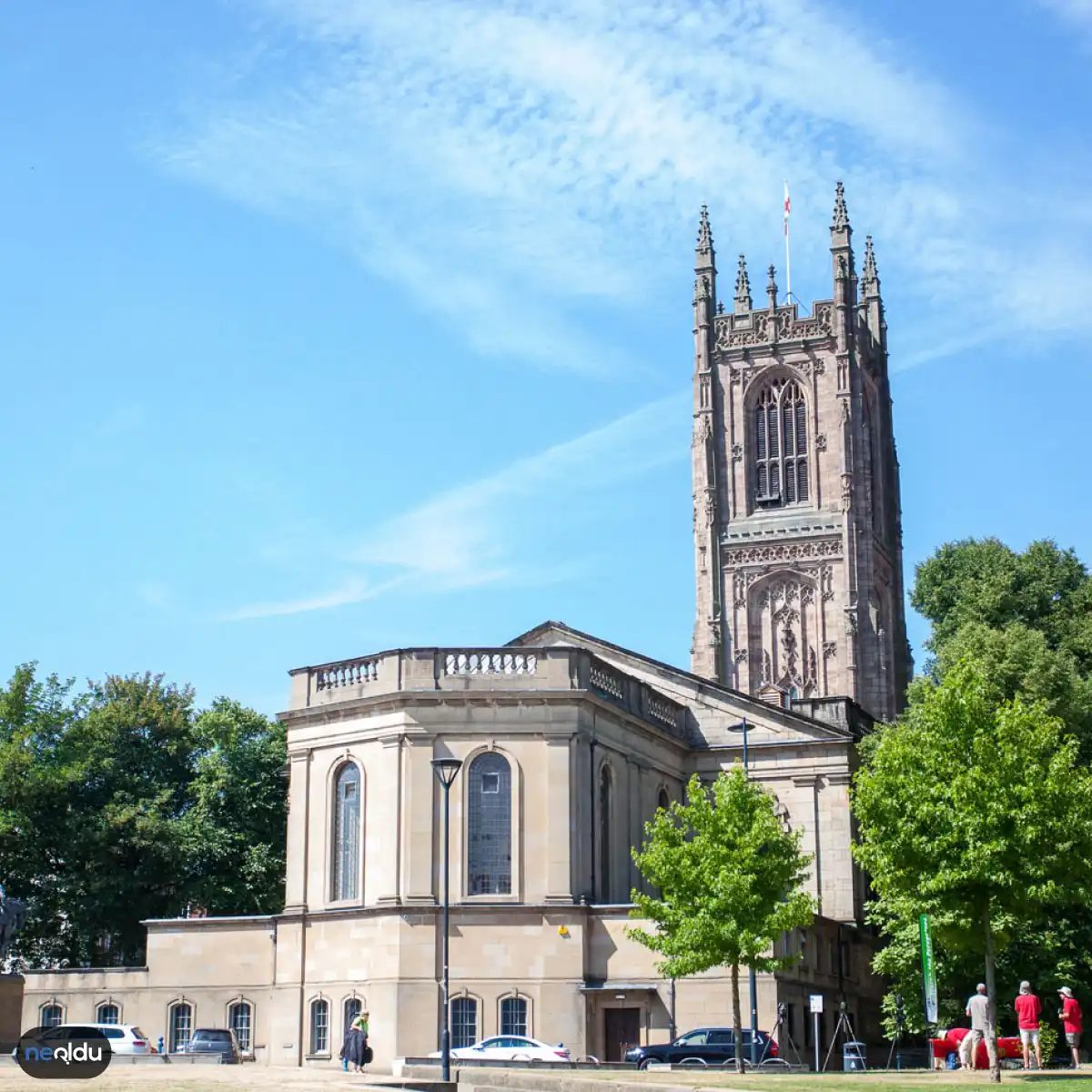
Derby Cathedral isn’t what you’d expect from a building that started life in the 10th century. Sure, the origins are old, but the structure you see today? That’s largely the result of a 16th-century rebuild after serious damage. It’s neo-classical, stark, and imposing.
It’s not just stone and glass, though. This place is the final resting spot for some heavy hitters from local history. Henry Cavendish is buried here, along with several other figures who shaped the region. If you’re looking for the city’s pulse, or at least its most recognizable skyline silhouette, this is it. It’s a symbol of Derby, plain and simple.
Hardwick Hall
Then you have to step out of the city center. Hardwick Hall sits about 11 miles north of Derby, tucked into the rolling hills of the Peak District National Park. It’s a short drive or a manageable bus ride if you don’t have wheels, but honestly, the journey feels like part of the experience. You’re leaving the industrial grit for something much older, much grander.
Built between 1590 and 1597 for Bess of Hardwick, it’s a masterpiece of Elizabethan architecture. The name says it all: “More glass than wall.” That’s not just a catchy phrase; it’s a literal fact. The windows are so extensive they let in massive amounts of light, giving the interior a brightness that feels almost unnatural for the period.
Why does this matter to you as a traveler? Because it’s one of the clearest examples of early modern English country house design that survives today. The sheer scale of the windows wasn’t just for show. It was a power move. Bess wanted her guests to see her wealth, her status, and her taste from every angle.
The interiors are just as impressive. You’ll walk through state rooms decorated with intricate plasterwork and painted panels. The tapestries hang heavy and vivid against the stone. It’s easy to get lost in the rooms, tracing the history of a woman who built her fortune through marriage and sheer willpower.
Practical details for your visit:
- Getting there: The easiest way is by car. Parking is available on-site. If you’re public-transit savvy, look for local bus services from Derby, but check schedules in advance as they can be infrequent outside peak seasons.
- Entry fees: Expect to pay around £15-£18 for adults, depending on the season. It’s not cheap, but you’re paying for a preserved slice of history that most people don’t get to walk through. Members of the National Trust get in free, which is a huge plus if you’re planning multiple stops.
- How long to stay: Plan for at least two hours. The audio guide is excellent and adds necessary context. Without it, you’re just looking at pretty rooms. With it, you’re understanding the politics of the Tudor era.
- What to see first: Start with the Long Gallery. It’s the crown jewel. The views from the top, looking out over the gardens and the distant hills, are worth the climb alone.
The gardens themselves are a separate attraction. They’re formal, geometric, and meticulously kept. It’s a
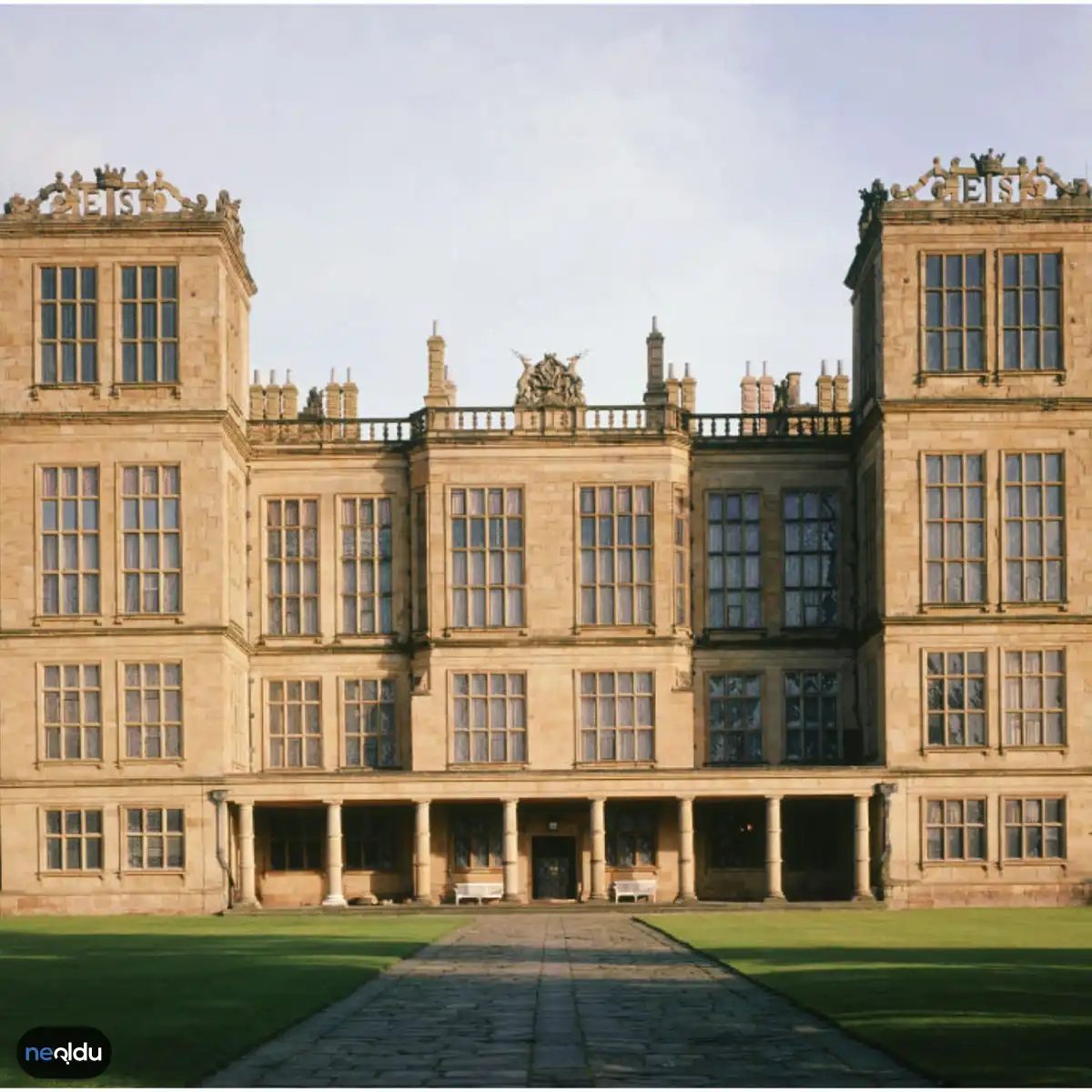
Hardwick Hall’ın o devasa cam pencereleri ve “More glass than wall” (Duvarlardan çok cam) sözüyle bilinen mimari cesaretini gördükten sonra, Derby’in daha samimi, daha insan ölçekli bir yüzü olan Pickford’s House’a geçiş yapmanız gerekiyor. 1590 ile 1597 yılları arasında tamamlanan Hardwick, Elizabeth dönemi Rönesans’ın en ikonik örneklerinden biri. Şehrin silüetine hakim olan bu yapı, o dönemin zenginlik ve güç iddialarını duvarlarına işlemişti. Bugün müze olarak hizmet veren bu ev, sadece taşlardan ibaret değil; dönemin yaşam tarzını, lüksünü ve hiyerarşisini yaşayan bir doküman. Derby’in en önemli sembollerinden biri olması tesadüf değil. Tarihin tozlu raflarında kalmıyor, nefes alıyor.
Pickford’s House: 18. Yüzyılın Lüks İş Merkezi
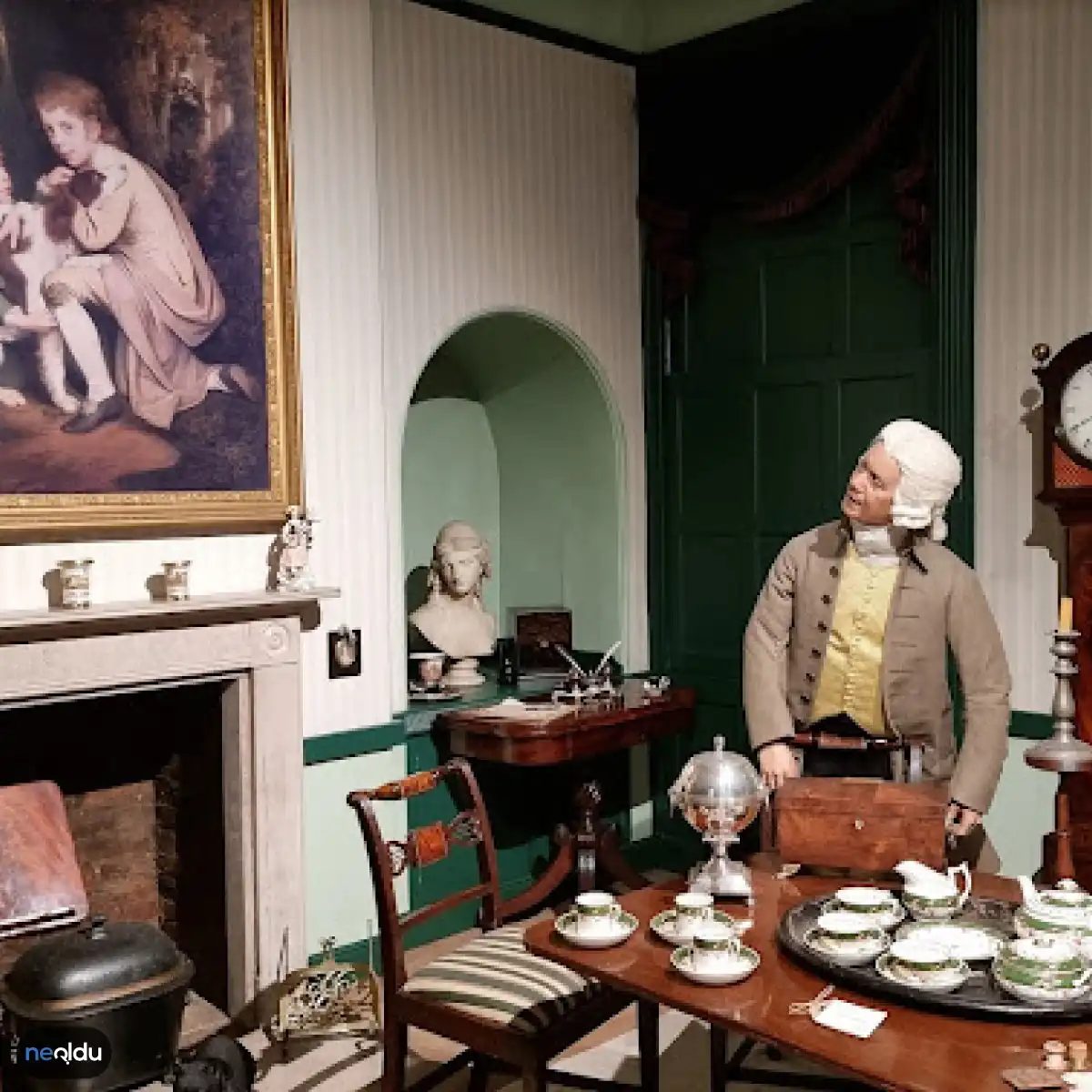
Hardwick’teki o devasa Rönesans görkeminden sonra, 17. yüzyılın ortalarına, daha spesifik olarak 1660’lara iniyorsunuz. Pickford’s House, Derby’in iş dünyasının kalbiydi. Thomas Pickford ve oğlu William Pickford, bu evde hem yaşıyor hem de tarih yazıyorlardı. Şehirdeki en eski iş binası olarak kabul edilen yapı, sadece bir müze değil, aynı zamanda Derby’in en eski ikametgahlarından biriydi.
Neden Ziyaret Edilmeli?
Çoğu turisti etkileyen Hardwick’ten farklı olarak, Pickford’s House size o dönemin gerçek iş dinamikini gösterir. Büyük bir aile evi ve aynı zamanda bir iş merkeziydi. Thomas Pickford, o zamanın dünyaca ünlü bir ticaret figürüydü. Evin iç mekanları, 18. yüzyılın en pahalı mobilyaları ve dekorasyonlarıyla doldurulmuştu. Burası, sadece duvarlarla çevrili bir bina değil; o dönemin sosyal statüsünün, ticari başarının ve ev yaşamının birleşimi.
Evin katları, o dönemin ayrıcalıklarını yansıtır. Üst kattaki odalar, aileye ve misafirlere ayrılmıştı. Alt katlar ise iş faaliyetleri ve hizmet personelinin alanıydı. Bu ayrım, Derby’in o dönemi nasıl yönettiğini anlamak için kritik.
Ne Görmek Gerekli?
- Üst Katların Süslemeleri: 18. yüzyılın en iyi ustalarından alınan tavan süslemeleri ve duvar panoları dikkat çekicidir. Bu detaylar, dönemin estetik anlayışını ve el işçiliğinin ne kadar yüksek seviyede olduğunu gösterir.
-
İş Odaları: Thomas Pickford’un ticaret faaliyetlerini yürüttüğü odalar, o dönemin iş dünyasının atmosferini yeniden yaratır. Belgeler, defterler ve kişisel eşyalar, işin nasıl yürüdüğünü somutlaştırır.
7. Markeaton Park
You don’t need a museum ticket to step back in time here. Just step outside.
Markeaton Park is where the city exhales. It’s not just green space. It’s a landscape sculpted by the same industrial wealth that built the Pickford House. The irony is sharp. You walk through manicured gardens designed by the very men who built the mills.
The park stretches over 500 acres of Derbyshire rolling hills. But the real draw is the architecture hidden in the trees.
Where to find the forgotten monuments
Start at the Egyptian Hall. It sounds like a joke. It’s not. Built in the late 18th century, this folly was meant to impress guests at the nearby estate. It sits right next to the ruins of the old Derby Hospital foundations. If you look closely at the brickwork, you can still see the scars of the 19th-century expansion.
“The park is a living archive of industrial ambition.”
This isn’t a place for jogging. It’s a place for wandering without a destination. The paths are wide. The gravel crunches underfoot. The air smells like damp earth and old stone.
What to see: The folly and the folly of progress
The Egyptian Hall is the centerpiece. It’s small. Unassuming. But look at the details. The stonework is rough-hewn. The windows are narrow slits. It was built to evoke the mystery of the East. Today, it evokes the vanity of its creators.
Behind it, the Parthenon Gate stands in fragments. It was never finished. It’s a monument to a dream that ran out of money. Perfect.
You’ll also spot the Cave. Not a natural cavern. A man-made grotto. Carved into the hillside. It’s dark inside. Cool. The water drips from the ceiling. It’s a stark contrast to the bright, sun-drenched gardens above.
Practicalities for the walker
- Entry: Free. Always. No gates. No guards.
- Best time: Late afternoon. The light hits the Egyptian Hall just right. The shadows stretch long. The heat fades.
- Logistics: Park at the Markeaton Park Car Park near the main entrance. It’s paid. Roughly £2 for a few hours. Worth it for the proximity to the ruins.
- What to bring: A sturdy pair of shoes. The paths are uneven. A camera with a wide lens. The architecture is small. The landscape is big.
Why it matters
Markeaton Park isn’t just a park. It’s a mirror. It reflects the same energy that built Pickford House. The same desire to control nature. To impose order on chaos.
But unlike the house, the park is winning. The trees are growing back. The stone is cracking. The folly is being reclaimed by the earth.
It’s a quiet rebellion.
You walk past the ruins. You touch the cold stone of the gate. You breathe in the damp air of the cave. And you realize something. The buildings are temporary. The land is not.
Keep walking. The path curves ahead. You can’t see the end of it.
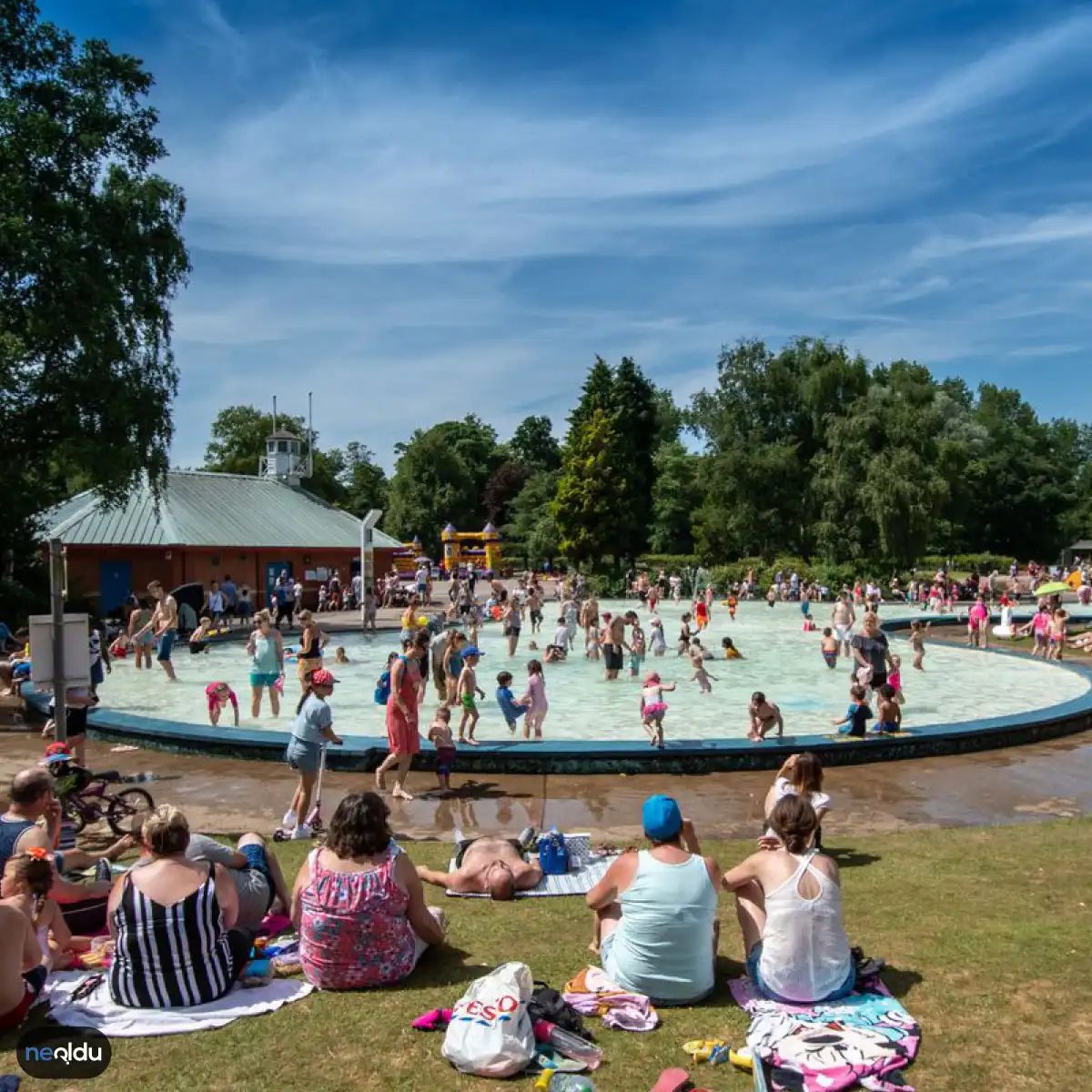
Markeaton Park isn’t just another green space. It pulls in a million visitors a year for a reason. You need to see it when you’re in Derby. It’s the place for walking, cycling, or just throwing down a blanket. But look closer. Beneath the grass lie the remnants of a World War II military camp. The history is still there, buried under the picnic baskets. Today, the park is the heartbeat of local events. When something is happening, it’s packed. You’re surrounded by crowds. It’s lively. It’s real.
8. Haddon Hall
If Markeaton is the park for the masses, Haddon Hall is the quiet aristocracy of the region. It’s less than a twenty-minute drive from Derby, but you feel like you’ve stepped into another century. This is one of England’s most spectacular medieval manor houses. It’s in the Peak District National Park. Specifically, in a tiny village called Haddon.
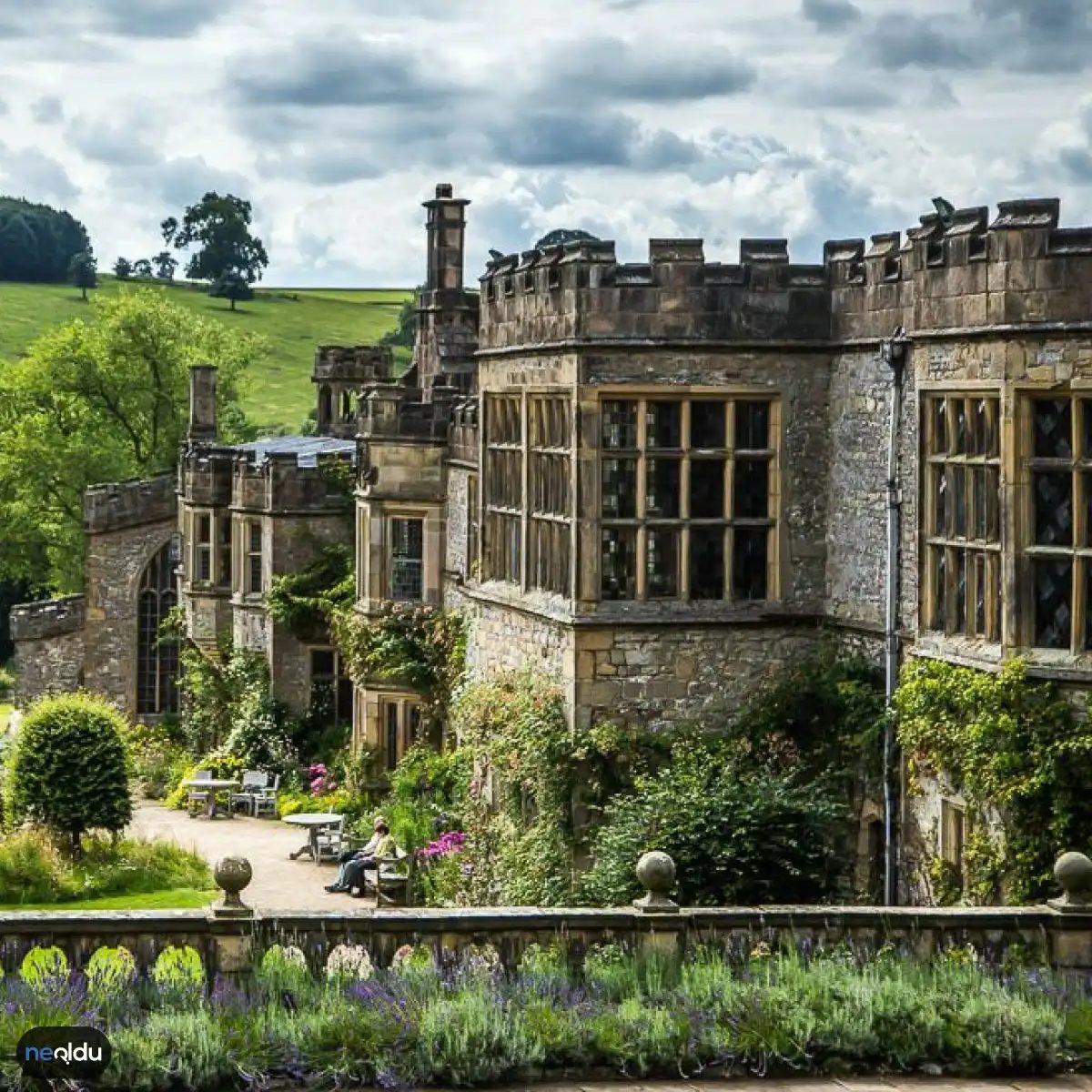
The house dates back to the 14th century. The grounds are older. You’re looking at a place that has survived wars, fires, and neglect. It’s not a museum with glass cases. It’s a living house. The interiors are open. You can walk through the Great Hall. You can see the medieval kitchen. The furniture isn’t fake. It’s the original stuff. Heavy oak tables. Iron candelabras. It feels heavy. It feels lived-in.
Why go? Because it’s not polished for Instagram. It’s rugged. The gardens are the main draw though. They’ve been replanted since the 1980s using plants that would have been known in the Tudor and Victorian eras. It’s a riot of color. Lavender. Roses. Delphiniums. They spill over the stone walls. The layout is geometric. It’s precise. It contrasts with the wilder woods behind the house.
Logistics matter here. It’s run by the National Trust. That means membership helps. If you’re paying, expect to pay standard entry fees. Check the website. Prices change. But the experience is worth the ticket. You can’t buy this vibe at a theme park.
How do you get there? Drive. It’s the most practical way. There isn’t a direct train line to the door. The nearest station is in Ashbourne. It’s about a 15-minute taxi ride from there. Or you can take a bus, but the schedule is limited. Plan for that. Winter hours are shorter. Go in the day. The light hits the stone differently. It glows.
What’s worth seeing inside? The chapel. It’s tiny. Intimate. The stained glass is fragmented. You have to lean in. The buttery. You can still see the shelves where they stored cheese and bread. It’s small spaces like these that tell the story. The servants’ quarters are up the stairs. They’re cramped. Cold. A reminder of how most people actually lived here.
The gardens are free to explore if you have a National Trust membership. Otherwise, the garden entry is separate. Is it worth it? Yes. The terraces offer views down into the valley. On a clear day, you can see the rolling hills of Derbyshire. It’s not just a house. It’s a
Kedleston Hall, sadece bir bina değil, İngiliz aristo krasisinin ne kadar lüks olduğunu gösteren bir canlı kalıp. 18. yüzyılda Lord Curzon tarafından yaptırılan bu saray, Roma’nın Pantheon’undan ilham alarak tasarlanmış. İçerisinde devasa bir mermer salon var. Gözlerinizi tavana diktiğinizde, adeta antik çağın ağırlığını hissedersiniz. Park alanı ise açık havada bir müze gibi çalışır. Heykeller, sulak alanlar ve manzaralı yürüyüş yolları ile dolup taşar.
Neden Görülmesi Gerekiyor?
Çoğu insan Derbyshire’ı sadece doğa yürüyüşleri için düşünür. Yanılırlar. Kedleston, mimari detaylarıyla dolu. Mermer sütunlar, sıva işleri ve özel mobilyalar, dönemin zenginliğini yansıtır. Ziyaretçiler için giriş ücreti vardır ama değip değmediği sorusu akla gelir. Cevap: Evet. Tarihi evlerde geçirdiğiniz yarım gün, sıradan bir alışveriş merkezinden çok daha kalıcı bir anı bırakır. Özellikle mimariye ilgi duyanlar için bu durak vazgeçilmez.
Logistiki Detaylar
Derby’den yaklaşık 5 mil uzaklıkta yer alır. Otobüsle ulaşım mümkün ama zamanınızı korumak isterseniz araba daha pratik. Park yeri geniş ve ücretsiz değildir, küçük bir ücret karşılığında giriş yaparsınız. Ev içi turlar genellikle rehber eşliğinde yapılır. Bu, sadece odaları değil, arka bahçeleri ve hizmetçi odalarını da görmenizi sağlar. Gizli geçitler var. Merdivenler. Bakımsız görünen ama aslında restore edilmiş detaylar.
Pratik İpuçları
- En iyi fotoğraf açısı: Ana binanın cephesi ve önündeki geniş çim alan.
- Ziyaret süresi: 2 saat yeterlidir.
- Giyim: İçerisi soğuk olabilir. Kışın kalın bir kazak götürün.
- Yemek: Yakınlarda birkaç kafe var ama rezervasyon şart.
Bazı turlar sırasında rehberler ilginç anekdotlar anlatır. Lord Curzon’un seyahatlardan getirdiği eserler hakkında. Bu detaylar, taşın ötesine geçen bir hikaye sunar. Sadece duvarlara bakmak yetmez. Nereye baktığınızı bilmeniz gerekir.
Derby’de vakit geçirmek, geçmişin izini sürmek gibidir. Her köşe, farklı bir yüzyılın izlerini taşır. Haddon Hall’ın taşları soğuktur. Kedleston’ın mermeri ise parlak. İkisi de Derby’nin kimliğini oluşturur. Sıradan bir gezi listesinde yer almazlar. Ama gerçekten görmek isteyenler için, bu iki nokta arasında bir köprü kurulur. Sonrası sizin tercihinize kalmış.
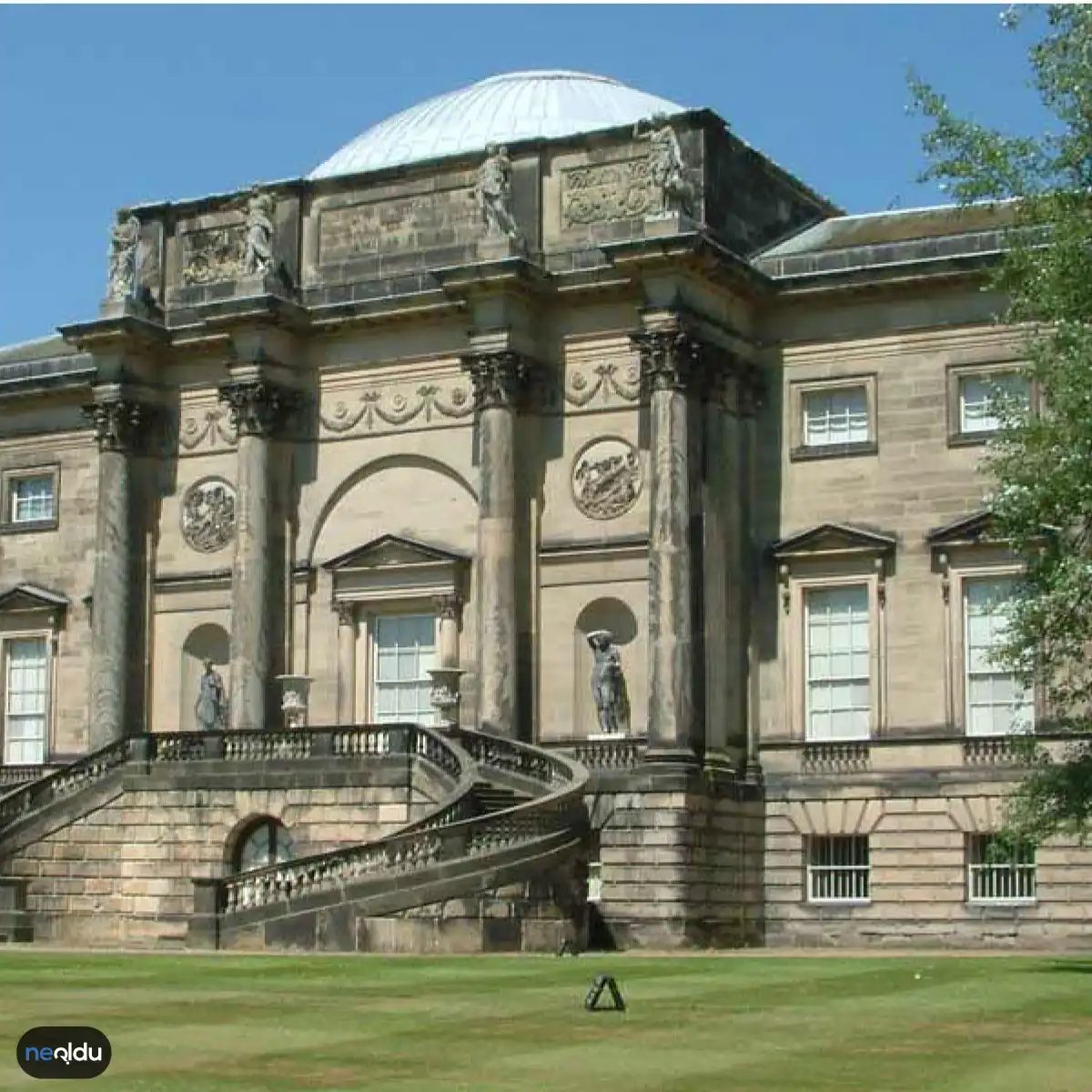
Kedleston Hall: Neo-Klasik Mimaride Kaybolmak
Kedleston Hall sadece bir bina değil, Derbyshire’ın kalbinde duran, 18. yüzyılın asaletini bugüne taşıyan devasa bir beyanname. Eğer Neo-Klasik mimariye ilgisi olan bir gezgin olarak şehrin en önemli tarihi evlerinden birini ziyaret ediyorsanız, burası listede zirvede yer alıyor.
Görünüşü göz alıcı. Simetri, oran ve o dönemin lüks anlayışı her taşta hissediliyor. İçeri adım attığınızda, sadece duvarlar değil, o dönemin yaşam tarzı da sizi karşılıyor. Müze ev statüsündeki bu malikane, dönemin mobilyalarından giyim tarzına kadar birçok detay barındırıyor. Bu, sadece bir turizm noktası değil, bir zaman makinesi.
Bahçeler ve Bahçe Düzenlemesi
Evin kendisi büyüleyici olsa da, onu özel yapan şey geniş ve titizlikle planlanmış bahçesi. Parkland tarzı bu açık alanlar, evin görkemini tamamlayan bir sahne. Yürüyüş yapmak, ağaçların gölgesinde dinlenmek ve o geniş yeşil alanlarda kaybolmak burada bir spor gibi.
Bahçeler, evin içine yansıyan huzuru dışarı taşıyor. Doğayla iç içe olmak, şehrin gürültüsünden sıyrılıp tarihin ağır ağır akışını hissetmek isteyenler için ideal.
Ziyaret İçin Pratik Detaylar
- Konum: Kedleston Road, Derby, Derbyshire. Şehir merkezine yakın ama sakin bir konumda.
- Ne Zaman Gidilir: Yaz ayları bahçelerden en iyi şekilde yararlanmak için en iyi zaman. Ancak sonbahar renkleri de oldukça etkileyici.
- Neleri Kaçırmayın: Mobilya koleksiyonu, giyim örnekleri ve evin mimari detayları.
- Maliyet: Giriş ücretleri mevsime göre değişebilir, ancak müze ev deneyimi için değer.
Eğer Derby’deyseniz ve tarihe, sanata ve mimariye merakınız varsa, Kedleston Hall’u listenizin başına koyun. Sadece bir ziyaret değil, bir deneyim.