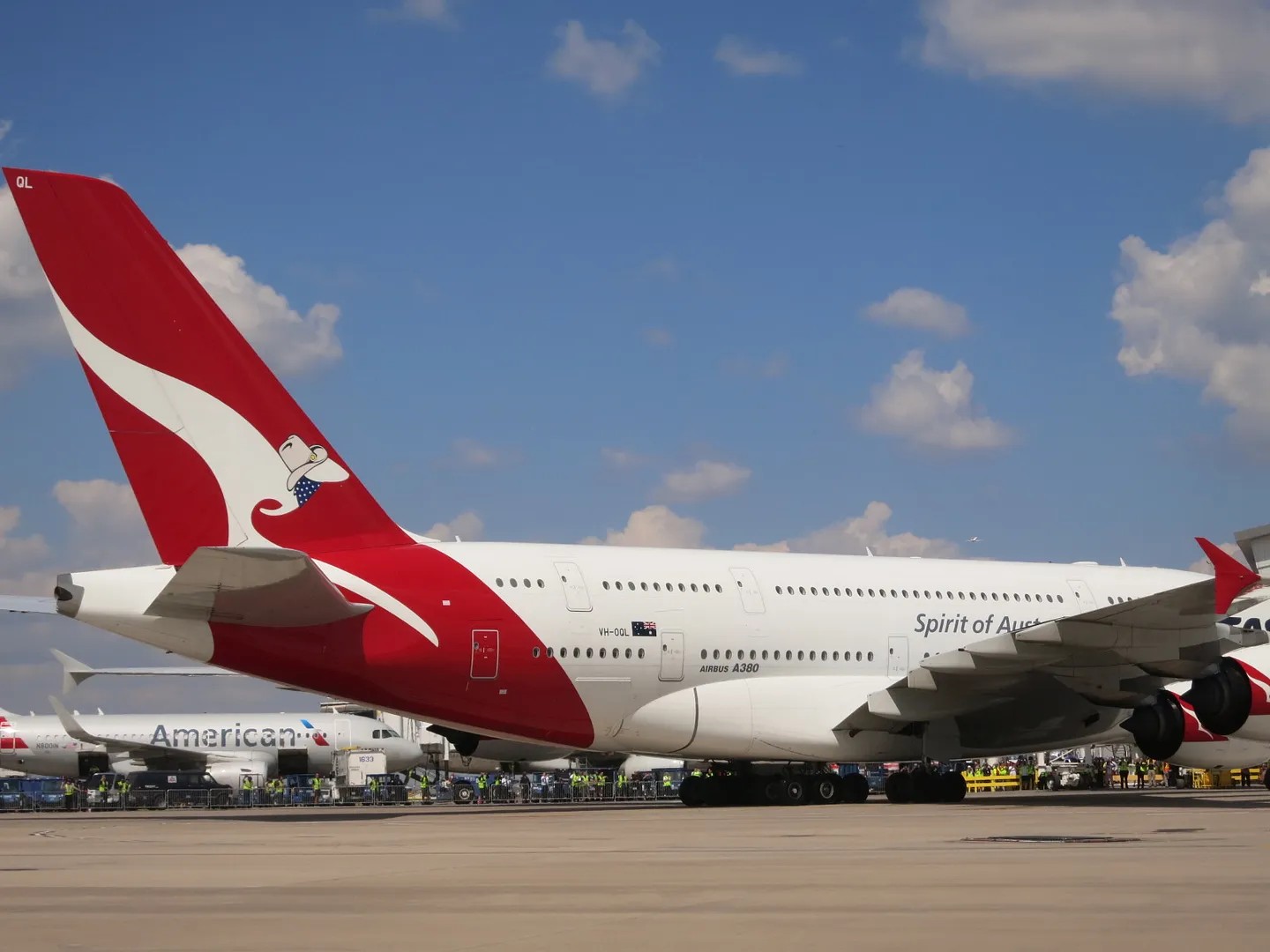
Alan Joyce is back.
Three years after leaving Qantas, the former CEO is dredging up his past. He’s writing a book called Sorry, Not Sorry. The title tells you everything. It’s not really an apology. It’s a defense. A justification for things that were illegal. Unethical. And bad for business.
He admits mistakes. Sure. But he frames them as survival tactics.
COVID was unprecedented. The airline was weeks from bankruptcy. He lobbied against broad government bailouts to help kill Virgin Australia. He made tough calls. Ruthlessly. “More things right than wrong,” he says. That’s the mantra. Not “sorry.” Just “we survived.”
Is that leadership? Or is it corporate self-preservation disguised as heroism?
Let’s look at what he actually did. And what he’s still defending.
The Ghost Flights and Stolen Money
Did Qantas steal customer money? Legally speaking, yes.
The airline failed to honor refunds for cancelled flights. Instead, they pushed passengers toward flight credits. They made the refund process difficult. They misled travelers into thinking credits were their only option.
The cost? A $105 million A$ settlement with consumers earlier this year. Qantas is now notifying people that they were entitled to cash refunds all along. The airline held onto that money. Years.
But there was worse.
They sold tickets for flights they knew they wouldn’t operate.
Joyce says it wasn’t a planned scam. Schedules changed. Chaos reigned. But senior management knew cancelled flights stayed on the schedule. They kept selling tickets for flights grounded until August 2023. Some were for flights scheduled into May 2024.
Why?
Cash flow.
By selling these ghost flights, Qantas collected money from customers who would have switched airlines. They retained customers who, upon closer to departure cancellations, felt locked in. They didn’t use the windfall for system updates. They kept it.
Other airlines did it too. United. JetBlue. Lufthansa. Joyce points this out. “Everyone was abusive.”
But Qantas got caught. And the damage was specific to their leadership decisions.
The Illegal Layoffs
Australian labor law is complex. But it exists. Qantas broke it.
During the pandemic, Joyce and his team illegally outsourced 1,820 ground staff. Baggage handlers. Cleaners. Security. These workers were dismissed in violation of their rights and the law.
Joyce admits it was a mistake. “In retrospect, I would do it differently.”
He spent years fighting the ruling. It went to the High Court. It cost the airline over A$200 million in compensation and penalties. A record A$90 million fine.
Federal Court Justice Michael Lee didn’t mince words. He called Qantas’s remorse “performative.” He said they were the “wrong kind of sorry.”
Joyce frames the legal battle as “cutting off my own arm.”
It’s not. The workers lost their livelihoods. The company lost its reputation. Joyce is only sorry because it hit the bottom line.
Selling the Stock
Then there’s the money.
In June 2023, Joyce sold A$17 million worth of Qantas shares.
Weeks later, the Australian Competition and Consumer Commission (ACCC) launched a public investigation into the cancelled flights scandal. The legal, political, and reputational fallout tanked the stock price.
Joyce says he’d change that sale. With hindsight.
The board later cut his FY2023 pay by A$9.26 million. They forfeited A$8.36 million of his stock. Qantas stated his leadership caused “considerable harm” to stakeholders.
He called it accountability.
But Joyce had already earned well over A$100.8 million during his tenure. He got a long-term incentive payout as shares recovered. He retired two months early. Now he’s selling a memoir.
Qantas Under Joyce: A History of Bad Value
The customer experience collapsed under Joyce.
He lobbied for protectionism. He favored lawmakers and their families. Fares stayed high. Choice stayed low. He blocked Qatar Airways from expanding flights into Australia.
He deferred aircraft replacements. So much so that Qantas’s own chairman admitted the fleet was outdated. This led to poor cabins. Mechanical failures. Cascading delays.
The Qantas Frequent Flyer program changed too.
Points earnings dropped. Business and first-class seat awards disappeared. Surcharges on Emirates redemptions jumped. Premium award prices increased right before the pandemic. Points Plus Pay lost value.
And in his final months, he invited American Airlines CEO Doug Parker onto the board.
Parker’s legacy? Cabin densification.
We see it now. Seats crammed in. Legroom gone. The result of Joyce’s strategy.
Was He a Good Leader?
Joyce wants us to feel for him. The stress of running an airline during a global pandemic is immense. He became extremely wealthy in the role. No one held a gun to his head.
But let’s look at the numbers.
Qantas achieved an annualized return of 7.5% under Joyce, assuming full reinvestment of dividends.
Compare that to the ASX 200 at 8.6%. And the S&P 500 at 13.9%.
A $10,000 investment in Qantas at the start of his tenure would be worth $29,100 today.
The same money in the S&P 500 would be worth $68,000.
Joyce wasn’t just bad for customers. He wasn’t great for shareholders either.
He gave the airline survival. But at the cost of ethics, laws, and trust.
His book tour is a performance. He’s rewriting history to claim he was a necessary villain. A tough guy making hard choices.
But the choices were often illegal. The choices were often cheap. And the apologies?
They’re too late.