Most of us have restlessness. A deep-rooted desire to go where the map ends and the unknown begins. We don’t just want to see the world; we want to touch it. Stand on ground few others have trodden. This is not about checking boxes. It’s all about the thrill of discovery. If you’re dreaming of a great tour or just need a reason to book a ticket, start here.
1. Lord Howe Island: The world’s smallest national park
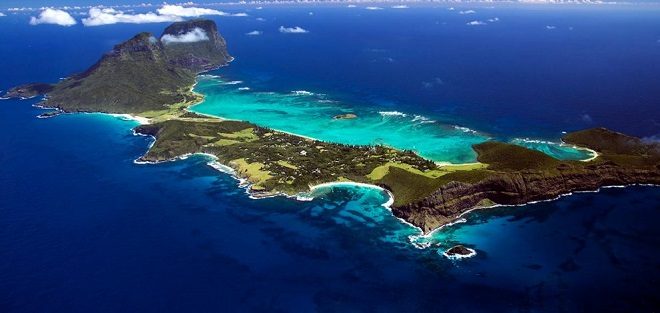
Imagine a place so remote and so heavily guarded that you can’t even drive there in a rental car. This is Lord Howe Island.
This volcanic island is located in the Tasman Sea between Australia and New Zealand and is a UNESCO World Heritage Site. It’s small – just 10.8 square kilometers – but it packs a punch. The air is fresh. The water is a shade of turquoise that looks photoshopped even though it’s completely natural.
Why go? Because it’s a time capsule.
There are no street lights on the island, so the night sky is a starry masterpiece. You can walk from one side to the other in less than an hour. However, you still feel miles away from civilization. The coral reefs surrounding it are among the richest in species in the world. Snorkeling here isn’t just about swimming; It’s like entering an aquarium without glass.
Logistics:
– Access: You cannot drive through. In order to keep the island untouched, flights from Sydney are limited to around 200 passengers per day.
– Price: It’s not cheap. Flights alone can cost hundreds of dollars, and accommodation reservations are made months in advance.
– Best time: Spring (September to November) or autumn (March to May) for milder weather and fewer crowds.
“Lord Howe Island isn’t just a destination. It’s a reminder of what the world could be like if we let it breathe.”
Forget the crowded beaches of Bali or the overdeveloped resorts of the Caribbean. This is raw, calm and untouched. You don’t go to Lord Howe to party. You visit to remember how quiet the world used to be.
Lord Howe Island: Step back in time
Lord Howe Island didn’t just appear on the map; It was created about seven million years ago as a result of volcanic eruptions rising from the sea. It’s about two hours from Sydney, a short hop to a place so untouched it feels like stepping onto another planet. The Australian government strictly protects it and placing it on the UNESCO World Heritage List to ensure nothing disturbs its delicate ecosystem.
Access is strictly controlled. Only 400 tourists are allowed to stay on the island at a time. This cap is not arbitrary – it’s about survival. You won’t find streetlights here. You won’t find cars, motorbikes or internal combustion engines. The silence is heavy, broken only by the wind and waves.
There is only one place to stay: a hotel with nine rooms. It is not a resort in the traditional sense. It’s a haven. Guests stay here to escape the noise of the modern world, to dive into coral reefs teeming with species of fish found nowhere else on Earth, and simply breathe. Locals and residents guard this environment with a vigilance bordering on obsession. If you are going to visit, you should plan ahead, book in advance and accept that you are a guest in a protected cathedral of nature.
The ancient city of Petra
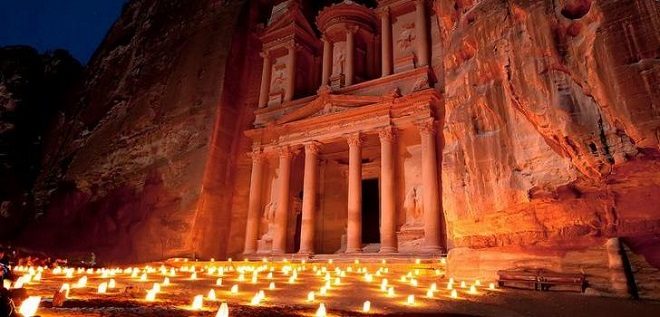
Moving from the calm of the South Pacific Ocean to the dry, rose-red stone of Jordan, we find Petra. Petra is often called the “Rose City” because of the color of the stone it is carved into. It is not only an ancient city; It is a testament to human ambition carved directly into the mountainside.
Located in southwestern Jordan, this Nabataean capital was lost to the Western world for centuries before it was rediscovered in 1812. Today, it is considered one of the New Seven Wonders of the World. The logistics there is uncomplicated but demanding. Most travelers fly into Amman and then take a flight or a long bus ride south to Wadi Musa, the town that serves as the gateway.
The experience begins at the Siq, a narrow, winding gorge that cuts through the rock. You walk through it for about 1.2 kilometers, the walls towering above you, until light suddenly opens up to reveal the Treasury (Al-Khazneh). It’s a moment that still catches people off guard. Although the structure is iconic, seeing it in person in the morning sun changes something about your perspective.
Visiting Petra requires time and energy. The main site covers 264 square kilometers. If you are in a hurry, you can visit the treasury and the monastery (Ad-Deir) in one day, but it would be a waste. The monastery is much larger than the treasury and requires a steep climb of about 800 steps. The view from the top is worth the sweat.
For those interested in history, the Nabataeans were master engineers. They built complex water management systems that allowed a city of tens of thousands of people to flourish in the desert. You will see cisterns, canals and dams that are still functioning after two millennia. This isn’t just sightseeing; It’s a engineering lesson in survival.
Practical tips for travelers:
– Best time to visit: Spring (March-May) and autumn (September-November). Summer is terribly hot and
Mavi Göl: The pearl of the Petra desert
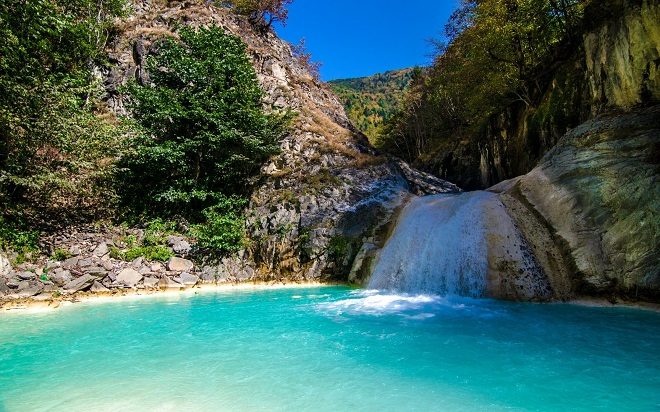
You’ve probably already admired the Treasury and maybe even climbed the 800 steps to the Monastery for the iconic bird’s-eye view. But when you’re done with the sculpted facades and you’re ready for something that feels less like a museum and more like a discovery, head west. There you will find the Blue Lake in Petra, a place that doesn’t make it into many guidebooks, but should be there.
Locals call it the Blue Lake of Wadi Mujib, although it is technically part of the larger Petra area. It’s a reservoir hidden in a rugged, dry valley surrounded by sandstone cliffs that change from rusty orange to deep crimson depending on the light. The water is amazingly clear, a brilliant turquoise that contrasts sharply with the dry, rocky landscape. It’s not a swimming hole in the traditional sense, but it’s one of the most photogenic and peaceful places in all of Jordan.
Why go?
Most tourists stick to in the Siq and the Royal Tombs. They miss the quiet beauty of the paths of West Petra. Blue Lake offers a break from the crowds, the heat, and the history-filled pace. It’s just you, the geology and the water.
Directions:
The lake is located in Wadi Mujib, near the entrance to the Mujib Nature Reserve. You can get there by heading towards the Dead Sea from Petra’s main entrance. The trip takes about 20-30 minutes. However, watch out for unpaved sections. A regular car can do it, but a 4×4 is better if you’re not used to bumpy dirt roads.
What to do:
– Take a boat trip: Small motorboats ply the lake, bringing visitors closer to the rocks. The drive is short, but the views are dramatic.
– Swimming: The water is clean and refreshing, especially in the warm months. It’s a welcome change from the desert heat.
– Photo: The reflection of the orange rocks in the blue water is breathtaking. To avoid harsh shadows, early morning or late afternoon is the best light.
Logistics:
– Entrance fee: A small fee is charged for entering the boat trip and the lake, usually around 10-15 JOD per person. Prices may vary slightly depending on the season. So stock up on some Jordanian dinars.
– Best time to travel: Spring (March-May) and autumn (September-November) offer the most pleasant temperatures. Summer can be brutally hot, even near the water.
– Nearby attractions: Mujib Nature Reserve is just down the street and is famous for its canyoning trails. If you are adventurous, you can combine a visit to the lake with a morning swim in the nature reserve’s waterfalls.
Is the detour worth it?
Absolutely. Petra is more than just rock tombs. It’s about the landscape, the silence and the sense of size. Blue Lake gives you a moment to catch your breath and contemplate the natural beauty that surrounds the man-made wonders. It’s a reminder that Jordan isn’t just a history lesson; It is a place of rugged, breathtaking geography.
“The lake is a hidden gem and offers a peaceful place
Blue Lagoon’s supremacy is undisputed. In recent years, it has quietly become Iceland’s main tourist destination. Why? It is one of the largest spa sources on earth. The water is full of sulfur and silica. This mineral density attracts visitors from all over the world. It’s not just a pool. It is a geothermal phenomenon that requires attention.
Why the Pyramids of Giza still attract attention
Let your eyes wander across the Atlantic and the Sahara. They land in Egypt. Especially Giza. The pyramids are not just made of old stones. They are the last surviving wonder of the ancient world. For a traveler planning a trip, the logistics are significantly different from the misty lagoons of the north.
Visiting the Giza Plateau requires a different rhythm. You aren’t soaking in warm water. You are navigating the heat, the crowds and the sheer scale of human ambition. The Great Pyramid of Cheops is the anchor here. It’s huge. 481 feet high. It’s easy to get lost in the hype surrounding the Sphinx, but the pyramid complex offers a more tangible history.
Navigating the Giza Plateau
The path there is straightforward, but chaotic. Taxis from Cairo can be unreliable. It is often wiser to hire a driver for the day. It protects you against overpriced trips and lets you control your timing. Go early. by mid-morning, the sun hits the limestone hard. The shadows disappear. The heat rises. Arriving at 7am means cooler temperatures and fewer tour buses blocking the view.
Costs vary greatly depending on how you do it. General admission to the plateau is relatively inexpensive compared to Western attractions. But inside? Then the prices go up. Access to the interior of the Great Pyramid? This is a separate ticket. And it’s expensive. Many travelers skip it. There is stifling air inside. The stairs are steep. Claustrophobia is real. Is it worth the premium? For most, no. exterior views offer better value for money.
Outside the three main pyramids
The place is bigger than the three famous tombs. There are smaller pyramids. Solar boat pits. Workers’ villages. These areas are often overlooked by mass tourism. But they provide context. You can see the size of the workforce. You can see the everyday life of the builders. It grounds the monument in reality.
Which pyramid should be prioritized? Khafre’s pyramid often appears taller in photographs because it is on higher ground. Some of the original casing stones are still at the top. This is a visual bonus. Menkaure is smaller, but easier to manage. The Sphinx is there to watch. It sure is iconic. But the crowd around it are intense. Walk past the statue. Look at the causeways. Explore the temples.
Practical tips for traveling
- Dress for the sun. Light, breathable fabrics. A hat is not negotiable.
- Water is key. Buy it at the entrance. Prices skyrocket inside the site.
- Bargain hard. If you hire a guide or a camel ride, negotiate before mount or step into the carriage.
- Timing is everything. Late afternoon light offers better photo conditions. The shadows grow longer. The limestone glows warmly.
The Pyramids don’t offer
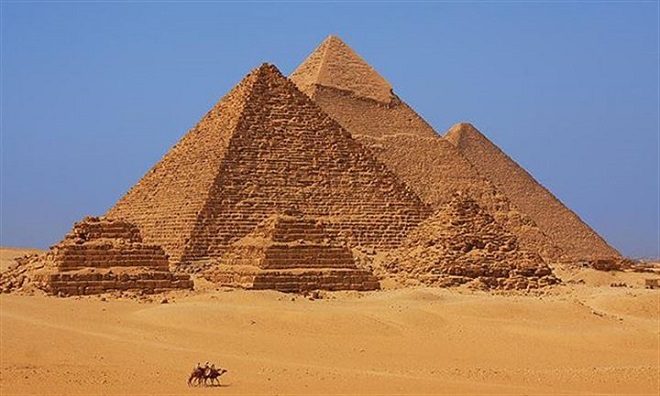
The Great Pyramid of Giza holds its own as the world’s largest and oldest funerary monument, but that’s by no means the only reason Egypt has a permanent place on the map of ancient wonders. In these huge buildings that house the mummified remains of the pharaohs, you will find priceless works of art and statues of kings, queens and princes that have lasted for millennia. Today, the place is a major global tourist destination, characterized by its secrets, legends and hidden treasures. If you’re planning a trip, be sure to also check out the Seven Wonders of the World content to see how these structures compare.
5. Fairy chimneys in Cappadocia
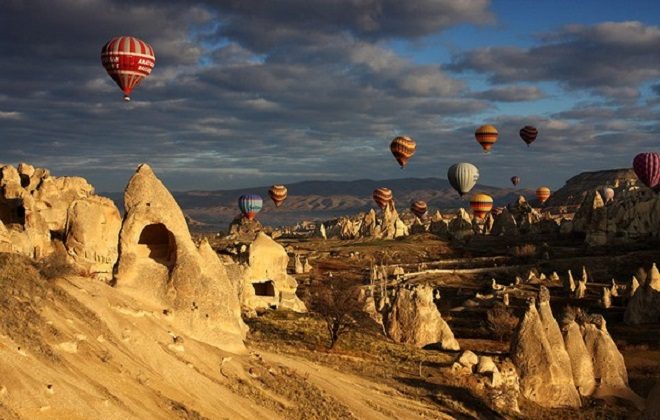
As we pass from the arid plains of Egypt to the central Anatolian plateau, we see a landscape that looks as if it were carved by the hand of a giant. This is Cappadocia, and its symbol is fairy chimneys. These rock formations are not just a beautiful backdrop; They are geological anomalies caused by volcanic ash solidifying into tuff and weathering over millions of years.
When you visit, you don’t just look at rocks. You will see a history of settlement that goes back thousands of years. Many of these chimneys were hollowed out by early Christians seeking refuge from persecution. They created entire underground cities with churches, stables, wine presses and ventilation shafts. Derinkuyu and Kaymakli are the most famous examples, but smaller cave systems are also spread throughout the region.
Where to stay and how to see it
Most travelers stay in Goreme, the heart of the region. The price of accommodation varies greatly depending on the season. A standard room in a cave hotel can cost 150-300 euros per night during the high season, while budget hostels offer beds for significantly less. The best time to travel is spring (April-June) or autumn (September-October). Summer can be brutally hot and winter brings snow that blocks some hiking trails.
Which is worth the hype
The main ticket is a sunrise hot air balloon ride. Prices typically start at around 200 euros per person. Is it worth it? For many, yes. The view of the fairy chimneys from above, bathed in morning light, is unparalleled. However, flights are subject to weather conditions. If the wind picks up, you become grounded. Make a backup plan.
If you want to keep your feet on the ground, the open air museum is a must. Admission is free and offers a dense collection of rock-cut churches with surprisingly well-preserved frescoes. The Rose Valley and Love Valley routes are also excellent for hiking. The terrain is rugged, so you should wear sturdy shoes. The stones are soft, so they are easy to carve, but they are also easily damaged when climbing on them. Don’t be such a tourist.
Why these formations are important
Fairy chimneys are more than a visual spectacle. They represent a unique adaptation to harsh environments. The thermal mass of the stone keeps the underground dwellings cool in the summer and warm in the winter. You can experience this engineering feat up close when you book a cave hotel. Stone walls hold temperature differently than concrete or brick.
You might
Machu Picchu: Cloud Forest Fortress
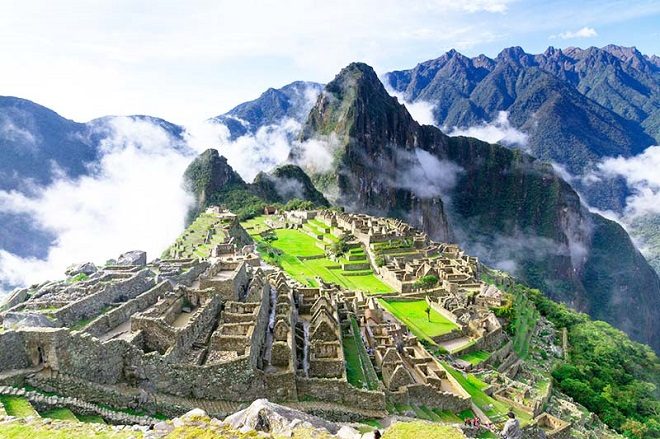
Where Cappadocia is characterized by its wind-carved rocks, Machu Picchu is characterized by its resistance to gravity. High in the Andes, this 15th-century Inca fortress is not just a ruin; It is a masterclass in technique and spiritual alignment. Most travelers know it as a symbol on postcards, but seeing it in person has a different effect. The air is thin. Fog clings to the peaks. You are standing in a place that was left in the jungle for centuries, only to be “discovered” by the outside world in 1911.
Why does it matter now? Because it answers the eternal traveler’s question: How could humans produce such precision without iron tools or a wheel?
The logistics of getting to the top
Getting there is half the journey. You won’t find any highway leading directly to the gates. Most visitors fly into Cusco, the historic capital, and then take a short flight or long bus ride to the town of Aguas Calientes. From there it’s a bus ride up a winding mountain road or a steep two-hour hike along the Inca Trail to the entrance.
The hike is tough. The height is real. Many tourists underestimate how thin the air becomes at 7,970 feet. You can feel it in your lungs. But the reward is the view from the Sun Gate, where the whole complex opens up below you covered in clouds.
What makes it unique?
Stonework is the main attraction. The Incas cut granite blocks so precisely that not even a knife blade could fit between them. No mortar. Just gravity and geometry. This wasn’t just aesthetic; it was seismic protection. The rocks shift and settle back into place during earthquakes, leaving the walls standing with modern concrete crumbling.
- Best time to travel: May to September. The dry season means clearer skies and less mud on the trails.
- Price: Tickets are sold out weeks in advance. You must book through the official portal of the Peruvian government. Expect to pay about $45 for general admission plus transportation.
- Accommodation options: Aguas Calientes is a gateway town. It’s touristy but practical. For a more rugged experience, camp along the Inca Trail, but you’ll need a licensed guide.
Beyond the main square
Most people rush to the Temple of the Sun and the Intihuatana Stone and then turn back. Don’t do it. Stay longer. Head up to Huayna Picchu, a towering peak that towers over the area. The ascent is narrow and requires significant inclines. It’s terrifying. It is also the best vantage point for photography.
The jungle here isn’t just background noise. It’s alive. You will see orchids growing from stone walls. The monkeys are swinging between the trees. The boundary between nature and architecture is blurring. The Incas did not conquer the country; they integrated into it.
Why visit now?
Preservation efforts are intensified. The number of daily visitors is limited to prevent erosion and overcrowding. If you wait too long, you may end up on a waiting list or face higher prices due to demand. The trail closures often occur due to maintenance work. Checking the official
Ephesus: a Roman city forgotten by time
Leave the mist-shrouded peaks of the Andes behind. If Machu Picchu was the crown jewel of the Inca Empire, Ephesus was the beating heart of the Roman world. This ancient city on Turkey’s Aegean coast is more than just a settlement. It’s a big city. A place where merchants, philosophers and emperors socialized. Unlike the Andes, Ephesus was not hidden by clouds. There, waiting in the sun, not in isolation, but with pieces of history that refuse to be completely buried.
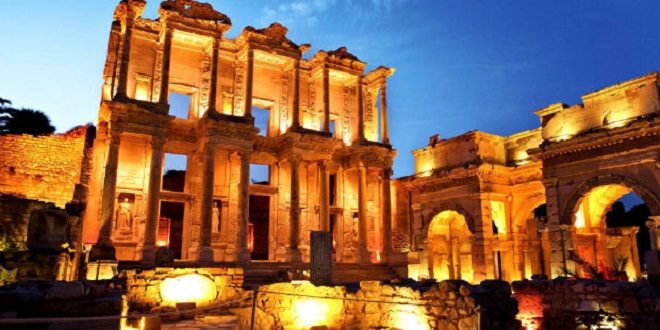
Why is this important to you as a tourist? Because Ephesus offers something that Machu Picchu does not: a direct, tangible connection to the daily life of Rome. Walk the marble streets where the early Christians preached. You can touch the columns of the Library of Celsus. You can stand in a 25,000-seat theater and feel that the acoustics are still working.
The Library of Celsus is an obvious anchor. This is a picture taken from a postcard. The exterior is original, lovingly restored in the 1970s, and the effort is evident. The interior is now empty, the books have been lost to time, fire or burglary, but the gap remains. The statues of Wisdom, Knowledge, Wisdom and Courage watch over you. Arrive on time. The midday sun turned the marble a dazzling white, washing away the details. Go at dawn or late afternoon and look for the golden light that makes the rocks sparkle.
Curetes Street is the main street outside the library. The plot is large, paved with cobblestones and lined with the remains of shops and statues. It feels more like the ghost of a busy market than a ruin. The “Temple” sign is a landmark. You will see the foundations of small shrines, including those dedicated to the emperor and local gods. It reminds us of how stratified cities are. Greece, Rome, Christianity and the Ottoman Empire. Every era leaves behind scars and gifts.
And then there’s the Big Theatre. This is going to be a drama. literally. The apostle Paul is believed to have incited a riot in the book of Acts when silversmiths were worried about their dwindling trade at the Temple of Artemis. The acoustics are legendary. I heard whispers on the stage floor in the top row. Climb to the top seat. The view of the modern city of Selcuk beyond the ruins is unpleasant but necessary. It grounds you. You are not in a vacuum. You are in the middle of a lively landscape.
アルテミス神殿 is another story. Most of it is gone. What I see now is a few pillars and a huge base. I miss it. I can’t forget that the site doesn’t exist. The original temple was one of the Seven Wonders of the Ancient World. It was rebuilt by the hungry Stratos. It was rebuilt. It was stolen for use in other projects. However, if you look at it, you will understand why it is so revered.
How do you put it in your hand?
The Eiffel Tower in Paris: an iconic travel destination
After you’ve just finished exploring the ancient ruins of Ephesus in Turkey, let’s take a look at one of Europe’s most iconic structures – the Eiffel Tower in Paris, France. This 330-meter-high wrought-iron lattice tower is not only a symbol of Paris, but also one of the most visited monuments in the world.
Why visit the Eiffel Tower?
The Eiffel Tower was built for the 1889 World’s Fair to celebrate the centenary of the French Revolution. Designed by Gustave Eiffel, the building was initially criticized by some artists and intellectuals who found it an eyesore. Today, however, it is considered a global cultural icon of France and one of the most famous structures in the world.
Practical tips for your visit
- Best time to visit: Avoid large crowds by planning your visit early in the morning or late at night. The tower is especially impressive at night when it sparkles with thousands of lights.
- Getting tickets: Buy tickets online in advance to avoid long queues. There are three levels for visitors, of which the first two levels can be reached by elevator and the top level by stairs or elevator.
- Price: Ticket prices vary depending on the level you want to visit. According to the latest updates, a lift ticket to the second floor costs around €16.60 for adults, while a ticket to the top floor costs around €26.10. Children and young people benefit from reduced prices.
- What to bring: Comfortable walking shoes are essential, especially if you plan to climb stairs. Don’t forget your camera to capture the breathtaking views of Paris, including landmarks such as the Louvre, Notre-Dame Cathedral and the Arc de Triomphe.
What makes it special?
At the top of the Eiffel Tower you can enjoy panoramic views of Paris that stretch for miles. On a clear day, you can even see distant cities and landscapes beyond the city limits. The tower itself is a marvel of engineering, its intricate lattice structure allows the wind to pass through without causing instability.
“The Eiffel Tower is not just a monument; it is a testament to human ingenuity and tenacity.”
Nearby attractions
If you visit the Eiffel Tower, you should check out other Paris landmarks:
– Trocadéro Gardens: offers one of the best vantage points of the tower.
– Champ de Mars: Spacious park at the foot of the tower, ideal for a picnic.
– Seine River Cruise: Take a boat trip along the Seine to see the tower from a different angle.
Final thoughts
Whether you’re a history buff, an architecture buff, or just looking for an unforgettable experience, the Eiffel Tower is a must-see in Paris. Its combination of historical significance, architectural splendor and breathtaking views make it a timeless attraction that captivates millions of visitors every year.
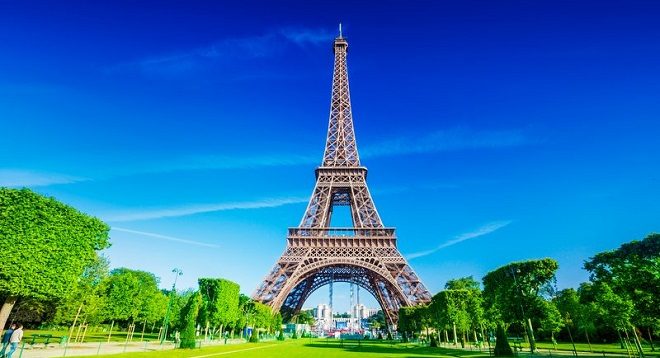
The Eiffel Tower in Paris is probably the first name that comes to mind when listing places to visit in France. It hosts millions of tourists every year and serves as the symbolic heart of the country’s tourism industry. If you’re looking for deeper insights into the city of love, there are extensive resources dedicated to Parisian attractions. But as soon as you leave the capital, the journey becomes even more exciting.
9. Venice
Wait. Venice is not in France.
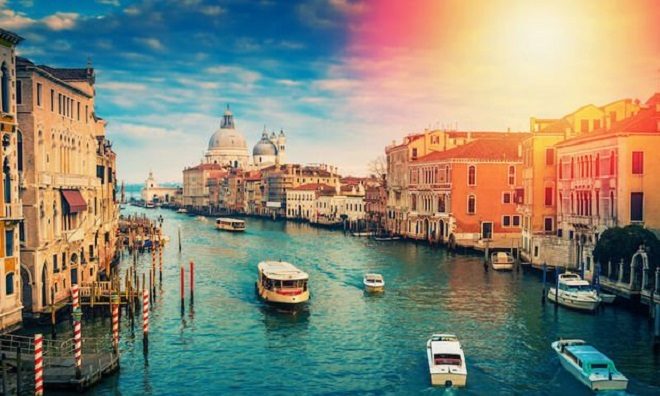
This is a trap many travel guides set for busy travelers. Venice is Italy. It is a masterpiece of water and stone, built on 118 small islands separated by canals and connected by more than 400 bridges. It is one of the most beautiful cities in the world, yes. But it is not part of the French itinerary.
The inclusion of Venice in the list of “must see places in France” is a factual error that persists in some older or poorly edited online content. If you are planning a trip specifically to the France tourism highlights, you need to correct this misconception immediately. Venice requires its own ticket, flight and budget.
So what is the ninth must-see in France?
Most reliable guides and tourism boards rank Nice or Mont Saint-Michel at this level of importance, depending on whether the traveler prefers Mediterranean glamor or medieval awe. However, if we strictly follow the structure of famous French landmarks, the next logical step to Paris is often Lyon or Castles of the Loire Valley.
Given the context of “symbolic structures” and “millions of tourists”, let’s look at the actual ninth entry that usually rounds out the classic French trip to France: Mont Saint-Michel.
The Tidal Island Wonder
Mont Saint-Michel is not just a place; It is a geological and architectural anomaly. This rocky tidal island is located off the coast of Normandy and is crowned by an stunning medieval monastery. It’s not one of the most popular places in France for nothing.
- Why go? The sight of the abbey rising from the mist at high tide is surreal. you can walk to it at low tide, but the tide moves faster than you think.
- Logistics: It’s about a 4-hour drive or train ride from Paris.
- Cost: Entrance to the monastery costs around €10. Parking is expensive and requires a shuttle bus from the mainland.
- Timing: Visit at dawn. The crowds arrive by mid-morning. The light is soft, the air is crisp and you can actually hear the waves.
If you skip Mont Saint-Michel, you’re missing out on one of the most photographed and historically significant places in the country. It is a must-see destination for anyone interested in medieval history, engineering or dramatic scenery.
Why This Confusion Happens
Travelers often mix up European icons. The canals of Venice are romantic. The Paris’s monuments are grand. France offers both, but they are distinct. When planning your France travel itinerary, be sure to separate the Italian gems from the French treasures.
The list of the most popular destinations in France should have the following priorities:
1. Paris (Eiffel Tower, Louvre
The Colosseum: More Than Just Ancient Stones
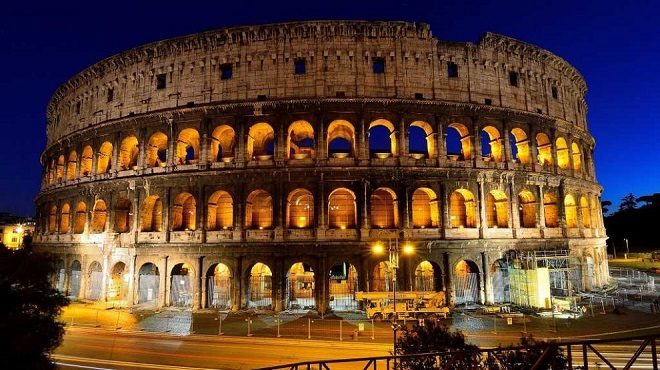
Venice might win for romance and canals, but Rome wins for sheer, overwhelming scale. And nowhere is that more apparent than at the Colosseum. It isn’t just an old building. It is a collapsed amphitheater that used to hold 50,000 screaming fans. You can still feel the weight of history here. The stone is warm. The shadows are deep.
Skip the generic “best things to do” lists. Go for the specific experience. How to visit the Colosseum without losing your mind starts with buying tickets online. Weeks in advance. If you show up at the gate with cash, you will wait for hours. And not in a fun, social way.
Which Ticket Gets You the Most Value?
There is a basic entry. Then there is the full ticket. The full ticket includes the Roman Forum and Palatine Hill. You should take it. Why? Because the Colosseum itself is stunning, but it’s a fragment. The Forum is where the actual city lived. The Palatine Hill is where the emperors partied. Together, they form a complete picture.
The cost? Roughly €24 for the full combo. It feels steep until you realize it covers three massive archaeological sites. If you are on a tight budget, the basic ticket is around €16. But you will miss half the story.
Timing Is Everything
Visit in the early morning. Right when they open. Or late in the afternoon, an hour before sunset. The midday sun turns the stone into an oven. Tour buses dump thousands of people at noon. You will be shoulder-to-shoulder with strangers. You won’t see the architecture. You will see backs of heads.
If you want photos of the interior arches without crowds, go on a weekday. Avoid weekends. Avoid August. The heat is brutal.
What to Actually See Inside
Don’t just walk through the main gate and turn around. Climb the upper tiers. The view from the second or third level gives you context. You can see the hypogeum—the underground network of tunnels and elevators that brought lions and gladiators into the arena floor. It’s engineering marvel. It’s also terrifying. Imagine being down there.
Look for the Carceri, the ancient prison cells. They are dark. Cold. A stark contrast to the sun-drenched arena.
Logistics You Need to Know
- Metro: Line B, stop Colosseo. It’s right there.
- Audio Guide: Rent one at the entrance. The stories of specific emperors’ favorites make it come alive.
- Water: Bring a bottle. There are fountains inside the complex, but you will get thirsty.
- Shoes: Wear comfortable ones. The marble floors are uneven. Tripping is easy.
The Colosseum isn’t just a photo op. It’s a lesson in power. In violence. In human endurance. Stand in the center. Close your eyes. Listen to the wind. It’s still loud.
Clear: Why Italy’s Famous Sites Demand a Second Look
You’ve seen the postcards. Everyone has. The Colosseum, the Leaning Tower of Pisa, the ancient streets of Rome – it feels less like a trip and more like a tour of a living museum. For centuries, these sites have held the title “Heart of the World,” and for good reason. But there’s a difference between checking a box on a wish list and feeling the weight of history in the air.
Most travelers rush through Italy’s top attractions, snap photos, and then move on to the next checkpoint. They miss the texture. They miss the silence. And they certainly miss the logistics that make the difference between a stressful day and a magical day. If you’re planning a trip to experience these landmarks without feeling like another face in the crowd, you need to pay more attention to how you visit them, not just what you see.
How to visit the Colosseum without losing your mind
The Colosseum in Rome is not just an amphitheater; it’s a beast. Millions of people flock there every year. If you show up with a ticket in hand without a plan, you’ll be waiting in line for hours and another hour trying to find an entrance among thousands of others.
The secret to enjoying the Colosseum is not just seeing it; it’s about understanding the rhythm of the crowd.
Book tickets online weeks in advance. Yes, it is difficult. No, it’s not optional if you value your sanity. Choose a morning slot – the early light hits the stone differently, softer and more forgiving. Bring water. The sun in Rome is deceptive; it feels warm but can fry you from the inside out. Wear shoes with good grip. Even indoors, marble floors can be slippery when there is crowded. And skip the audio guide if you hate hearing people whisper in your ear. The silence of the ruins speaks even louder if you let it.
Leaning Tower of Pisa: Timing is everything
Then there is Pisa. The tower tilts. That’s the whole pitch. But when you stand on the base and look up from that impossible angle, you realize how small you are. It’s not just photo op. It’s a test of balance – both literally and metaphorically.
Most tourists take the obligatory photo in the square and leave. No. Climb the tower. The stairs are narrow, spiraling, and steep. The higher you go, the more pronounced the lean gets more pronounced. It feels like the building is shifting under your feet. It’s terrifying and exhilarating. Book a timed entry. Walk up and down. The view of Piazza dei Miracoli from the top is worth the sweat. But here’s the catch: the square is paved. In the heat of July, it’s an oven. Go early. Go late. Or go in the spring or fall when the light is golden and the crowds are thinner.
Where to Find Quiet in a Loud World
Italy is loud. Markets, scooters, church bells, conversations spill into the street. But if you know where to look, quiet exists. In Rome, step away from the Colosseum and go to the Aventine Hill. The Keyhole of the Knights of Malta offers a framed view of the dome of St. Peter’s dome that looks like a painting. In Pisa, wander the Arno riverbank