Nature isn’t gentle. It doesn’t care if you have a tight deadline. It waits. And for those willing to lose their signal, it rewards silence.
The Pitcairn Islands: Descendants of Traitors
No airports. No cruise terminals. No hotels with pools.
To get here, you fly to Tahiti, then Mangareva, then you get on a cargo ship for 32 hours across the Pacific. Most people turn back right then. Those who don’t land on rock and history. The few dozen people living there are descendants of the HMS Bounty mutineurs and Polynesian partners. That’s the lore. The reality is darker skies and volcanic cliffs that drop into black water. You hike. You snorkel reefs that haven’t seen a fin since before recorded time. It’s an expedition. Not a vacation.
The world’s most disconnected communities aren’t lonely. They’re just private.
Ittoqqortoormiit: Where Polar Bears Rule
Logistically, it’s a nightmare. Fly through Iceland, take a heli-tac to Greenland’s east coast, or ride the ice when the sea allows it. Fewer than 300 people call this place home. The rest are bears, seals, musk ox. Nature is loud here. Winter means dog sleds because there are no roads. Summer brings light that doesn’t stop and icebergs that tower like cathedrals. The fjord system—Scoresby Sund—is the biggest on Earth. You won’t meet many people. Which is the point.
Shetland: Scotland’s Rugged Edge
Scotland’s northern tip. Wind that cuts through jackets. Moors so wide you disappear in them.
Doctors prescribe walking here. Literally. Daisy chains and birdwatching for chronic illness. Makes sense, really. The beaches are yours alone. But be warned. It gets cold. July averages 54°F. If you visit in winter, you earn your warmth. January brings the Up Helly Ya festival. Vikings reenactors burn a longship in the center of town. Fire and snow. Heritage and fire. It’s rugged. It’s honest.
Northern Patagonia: The Quiet Side
Everyone knows Torres del Paine. They go to the south. They hike. They take photos. The north remains secret.
Patagonia stretches across Chile and Argentina. Sparse people. Vast space. Northern Patagonia doesn’t get the selfie sticks. No dodging strangers for the perfect angle. Just landscapes that break the back of expectations. Bariloche sits in the Lake District. Climbing rocks in summer. Skiing in winter. If you want wild without the crowds, head north. Leave the influencers in the south.
Great Australian Bight: Empty by Design
Australia has space. A lot of it. 10 percent habitable. The Great Australian Bight sits on the edge of South and Western Australia. 720 miles of coastline. Next to the Nullarbor Plain—a nothing-place four times the size of Belgium?
Silence here is heavy. No phone signal. No bars. Just you. And between June and October, the Southern Right Whales arrive from Antarctica. Thousands of them. Mating. Calving. Off the cliffs. It’s humbling. Small makes you realize you aren’t the main character.
There is a threat though. Oil companies. Fracking. A coalition called Fight for the Bight fights to protect it. Will it last? Maybe.
Galápagos: Darwin’s Zoo
Volcanoes erupted millions of years ago. They left five inhabited islands behind. Population? Less than 30,00. There are more sea-lions than humans here.
Charles Darwin saw them. He built his Theory of Natural Selection on them. Today, the attraction isn’t remoteness—it’s weirdness. Giant tortoises. Forty-five species of bird, most unique to the islands. Walk on a beach. Go for a swim. You’ll be outnumbered. Nature owns this place. You are just visiting.
Lofoten: Norwegian Dreamscape
Rugged. Beautiful. Inside the Arctic Circle.
Google says: Bike. Hike. Ski. Dive. Fish. Fish is key. Locals survive on it. Tourists come for the views. Fjords carve through mountains. Ice caps meet ocean. In winter, you don’t even need to move. Just look up. Aurora Borealis? Possible. Common, even. Light dancing on cold air. Do you need adrenaline here? Not really. Just patience. And warm socks.
Westfjords: Iceland’s Hidden Corner
High mountains. Narrow roads. Cliffs so steep you feel vertigo looking down.
Westfjolds isn’t the main Iceland route. It’s the maze. Tumbling waterfalls. Golden beaches tucked in coves. Látrabjarg stands at Europe’s western point. Millions of birds nest on the cliffs below you. They won’t be nice about you stepping close.
Too scary? Soak. Go to Tálknafjorðurf. The Pollurinn geothermal pools heat up to 114°. You sit. The sun sets over the fjord. Mountains fade to purple. Comfortable wild.
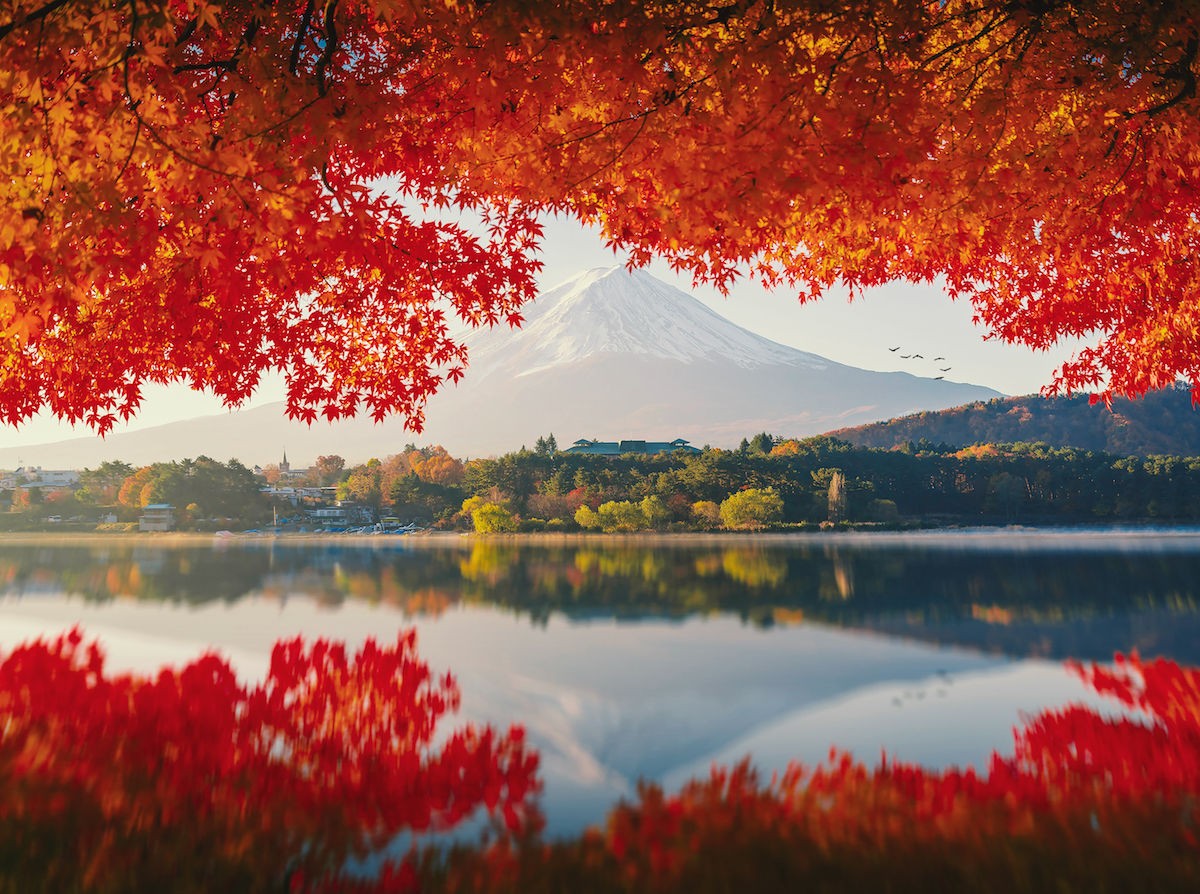
Lake Kawaguchiko: Tokyo’s Quiet Cousin
Two hours from Tokyo by bus. You’d swear it’s another planet.
Shadows of Mount Fuji fall on this town. It feels like a basecamp for hikers. Not quite small town energy, but less chaos than Hakone. Nature is hiding if you look for it.
Take the Tenjo Ropeway up Mount Tenjo. Views are clear. Crowds exist, though. Want real peace? Go early morning. The fog burns off. Fuji reveals itself. Or wait until sunset. Ride up. Walk down. Watch the sun melt into the lake. Silence returns.
Northern Kerala: Slow Water
Houseboats. Backwaters. Kerala’s postcard.
Most tourists go to Alappuzha or Kochi. Crowded. Busy. Noisy.
Go North. Kavvayi Kayal waits. Quiet straight. Valiyaparamba beach shines gold. Flora. Fauna. Marco Polo history. It’s cheaper. It’s calmer. People skip it because it’s “farther.” Which is why you go there. To drift past trees that have watched centuries roll by.
The Aleutian Islands: Alaska’s Frontier
Alaska is sparse. The Aleutians? Remote even by Alaska standards.
Summer only. One ferry—the MV Tustumena—runs eight trips. If you miss it, you stay gone. Submarine volcanoes rise from the sea. Tundra stretches endlessly.
Stop in Kodiak for views. Visit Cold Bay—population ~100—for the Silver Salmon Derby. Traditions stick hard out there. Final stop? Dutch Harbor. A working port. Rough around the edges. Perfectly so.
Sahara Desert: Not Just Sand
Sand dunes. Heat. Misconception?
The Sahara holds surprises. Merzouga sits near the Erg Chebbi dunes. Nights are clear enough to count stars like buttons. Figuig oasis hides date palms that tower over towns.
But the people surprise you most. They build around nature, not over it. Berber roots run deep. Life moves to the wind and the water supply. You think you’re exploring a landscape? You’re entering a lifestyle.
Reconnection happens when you stop trying to control the world. And start letting it hold you.
Do you dare go quiet?