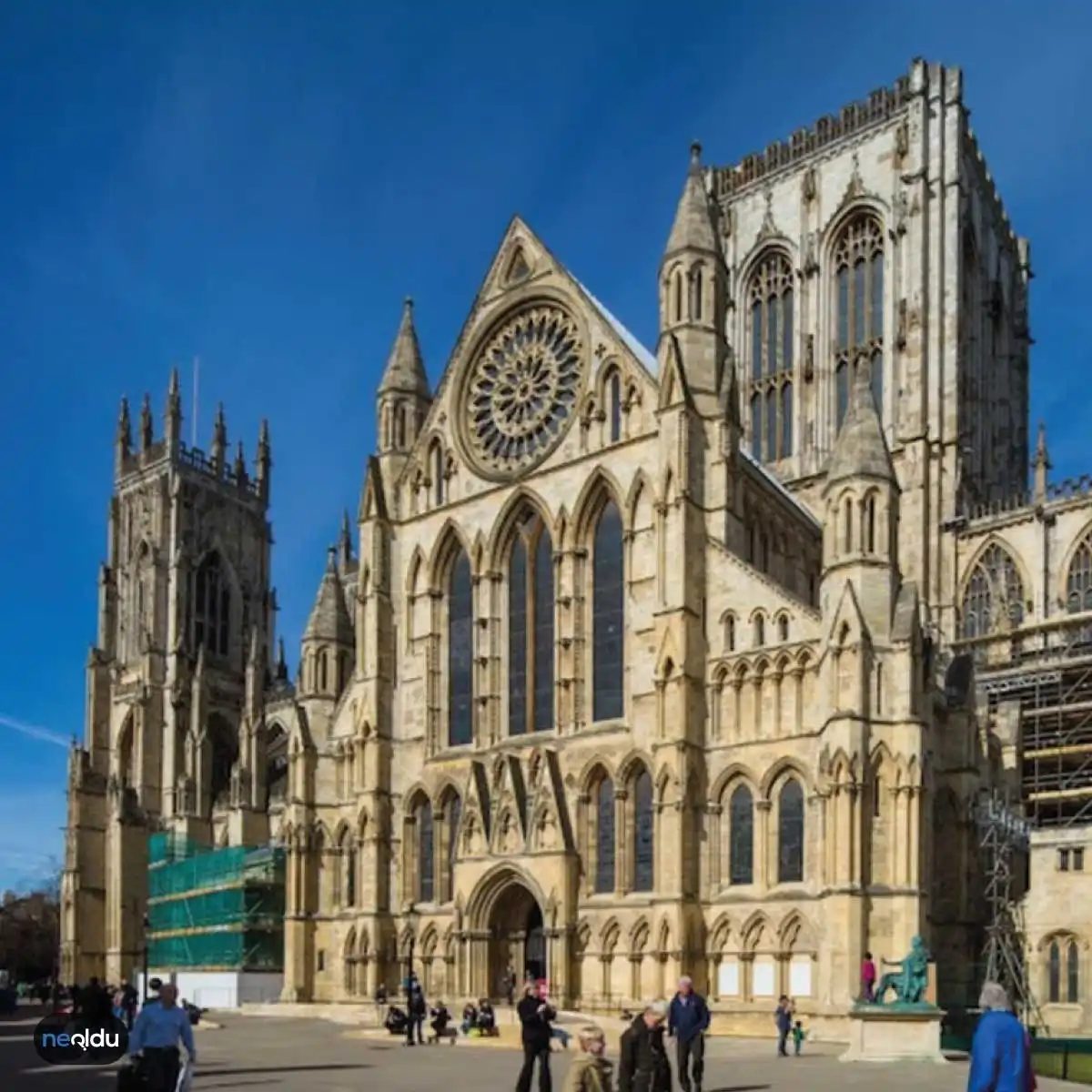
York doesn’t feel like a museum. It feels like a city that refuses to let time erase its soul.
As the oldest city in England, York has done amazing things. It serves as a modern base while preserving its history. This place is a place of pilgrimage for travelers who enjoy the smell of ancient stones and the weight of centuries. It’s not just about visiting. You travel through the layers of Roman, Viking and medieval England.
If you are planning a trip, don’t waste your time on tourist traps. Focus on the places that really define the character of the city. Here you have to go first.
Gothic Giant: York Minster
You can’t miss it. Even if you try.
There’s a reason why York Minster dominates the skyline. This is more than just a church. A masterpiece of Gothic architecture that took more than 250 years to complete. When you enter the square from the dimly lit streets, you will be amazed by its size.
Why go? Go look at the Great West Window.
This is one of the largest expanses of medieval glass in the world. When the light hits the colored panels, the atmosphere of the entire nave changes. It’s overwhelming. In a good way.
Logistics:
– Prices: Admission for adults is around £10. It is expensive for the church, but it is the price we pay to maintenance of a national treasure.
– Time: Go early in the morning or late in the afternoon. Crowds during the day can spoil the experience.
– Height: If you have energy, you can climb the north tower. There are clear views of York. Your legs will hate you, but your eyes thank you.
Don’t just look outside. Come in. The silence up there is different. It’s heavy with history.
“York Minster is the heart of the city. If you don’t look up, you’re missing the point.”
The cathedral sets the tone for everything you see in York. It is majestic, intimidating and undeniably beautiful. When you’re done staring at the glass, walk the winding streets that surround it.
The size of the cathedral
It really hurts my neck when I enter York Minster. This is the first thing you notice. It’s not history. It’s not stained glass. It’s the sheer verticality. This is more than just a church. This is a rock mountain. Founded in 637, a massive Gothic structure that dominates the skyline.
At 61 meters high, it is the largest Gothic cathedral in Northern Europe. Yes, in some ways it is bigger than Notre Dame Cathedral. Sure, it’s a Roman Catholic site, but in this case it feels like a monument to human stubbornness. Thousands of people flock here every year, but you don’t come for the pews. You come for the large window on the east side. This is the largest expanse of medieval stained glass in the world. If you go in the morning light, watch the color change. The rose window is famous, but the most striking is the east window. It’s overwhelming. In a good way.
Clifford’s Tower: Landscape and History
From the cathedral, a short walk up the steep slopes and over the ancient city walls leads to Clifford’s Tower. It doesn’t look like much now, but it’s a grassy mound with a crumbling stone shell. Don’t be fooled. This place heavy with blood.
The current stone castle was built by William the Conqueror, but the site has a dark, old reputation. In 1190, during a pogrom against the Jewish community, hundreds sought refuge to the original wooden tower. When it collapsed, they chose death over capture. This is a cruel reminder that behind York’s beauty lies tragedy.
Why did you climb up here? The view. You get the full panorama of the cathedral, the city and the distant moors. It’s a perspective you can’t get anywhere else. Climbing can be difficult if you are not used to it. The steps were uneven, the ancient stones had been worn smooth by centuries of boots. Take your time. Breathe.
Today, the tower itself is open to the inside now, with displays on the history of the place. But honestly? The exterior is more powerful. Standing in the shadow of the perimeter walls and looking over the city, you can feel the weight of 900 years. It’s quiet here. The noise of the crowd in the cathedral fades away.
You can spend an hour at Clifford’s Tower. Or you can spend five minutes and rush back. No pressure. The hill doesn’t care if you appreciate it or not. Just stand there.
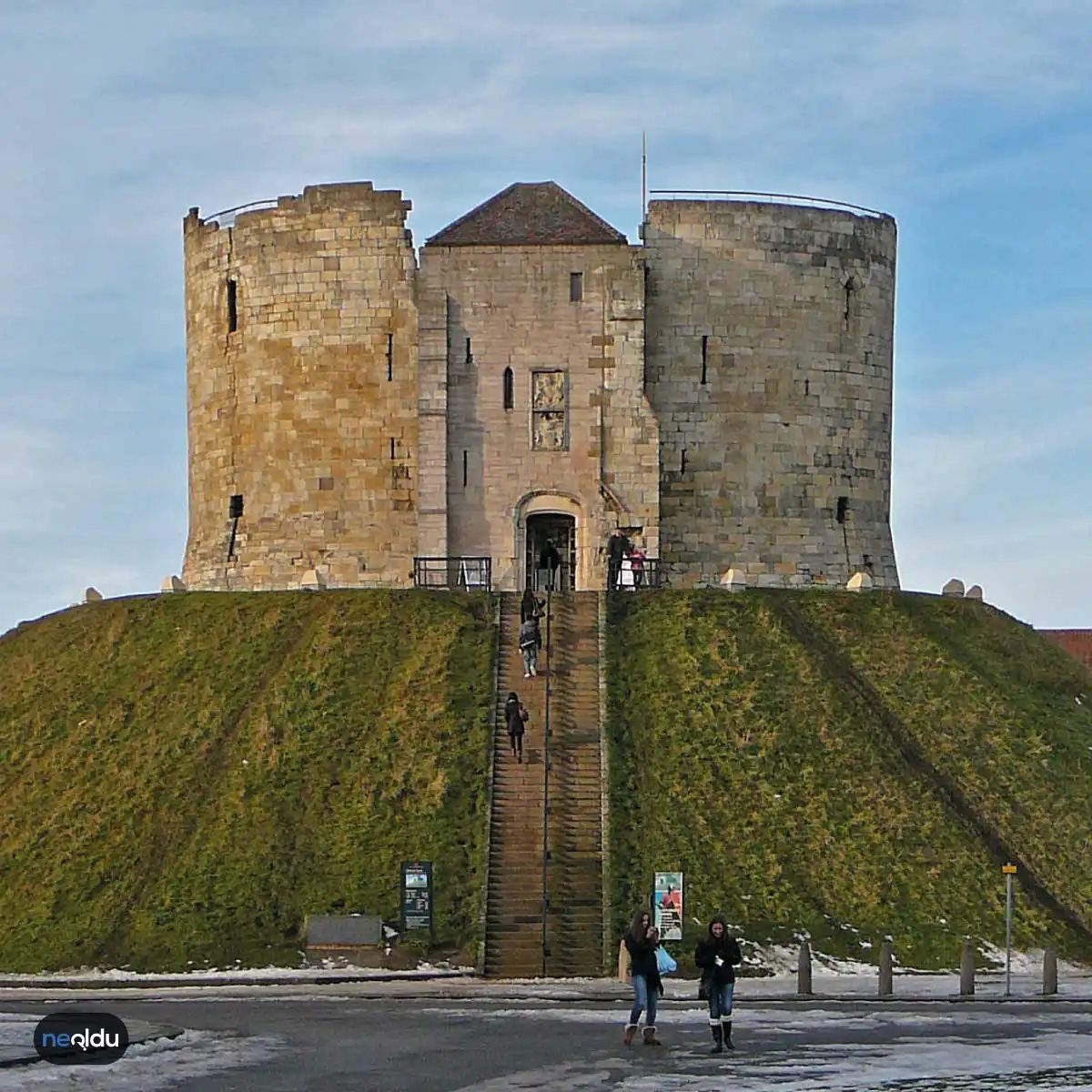
Clifford’s Tower is more than just a ruin. This is a warning.
Built by William the Conqueror to quell a local rebellion, it sits high above York. The name sounds simple. History is bloodier.
At the end of the 17th century, a massive explosion destroyed the building. The losses were so great that military defense became impossible. The crown did not destroy it. They used it again. The crumbling shell has been used as a prison and courthouse for many years.
Today you can reach the top. The views of the city are unparalleled. It is widely regarded as one of England’s finest medieval ruins. However, the atmosphere was heavy. This stone still bears the weight of execution and imprisonment.
3. National Railway Museum
If the castle remembers the past, this museum examines the world moving forward.
It’s more than just a collection of old engines. It is the largest railway museum in the world. Yes, it’s free. You go in and walk. You looked at trains that once connected empires.
The first thing that comes to mind is scale. The curved space is wide. Light floods in through the glass ceiling. It feels more like an industrial cathedral than a museum.
You can see a lot more than trains. You can see the speed evolution.
Let’s start with the main hall. Look for Mallard. It is the world’s fastest steam locomotive. This speed record still stands. 126 mph. Made exclusively for the LNER. It looks smooth. Provocative. Get ready to tear up the rails.
Next, let’s take a look at the Mallard’s rival, the Flying Scotsman. This was the first locomotive to officially reach 100 mph. Seeing them side by side gives an idea of the engineering competition of the early 20th century.
But don’t rush past the small exhibits. With the help of the interactive screen, you can try out your signalman duties. Learn how operators kept thousands of tons of metal moving without a crash. The atmosphere was surprisingly tense.
The museum also exhibits rare carriages. Royal trains. Orient Express sleeping car. You can walk in. It has wood panels. brass hardware. It was like stepping into another era of travel. Traveling is more than just a business trip; it is an event.
Timing is important here.
Weekdays are quieter. You can get closer to the engine. Do not cover the aisle during photography. Weekends bring crowds. Schools. Tour groups. You’ll be shoulder-to-shoulder with the Flying Scotsman.
Let’s go early. Doors open at 10 a.m. There’s plenty of space, but it’s easy to forget the details if you’re in a hurry. Wait at least 2 hours. Probably even more so if you have a kid who likes to push all the buttons.
Logically, it’s just north of York station. You can get there on foot in 10 minutes. Or by bus. The museum is located next to the main train station. This way you can easily combine it with other functions. Arrived by train. Take the train. No need for a car.
Is it worth the detour?
Absolutely.
York still has its medieval streets. Roman walls. Its ghost walks. But this museum shows the modern pulse of the city. This is the place where the city connects to the rest

Ulusal Demiryolu Müzesi, şehirdeki en kalabalık ve prestijli müzelerden biri. Buraya gelenlerin ilk dikkatini çeken şey, Dünya’nın en hızlı buharlı lokomotifi olan Mallard. Yanında da kraliyet trenlerinin tarihi lokomotifi duruyor. Demiryolu taşımacılığının evrimini anlatan bu müze, eski trenlere düşkün herkesin listesine girmeli. 2001’de Avrupa’daki “Yılın Müzesi” ödülünü aldı. Her yıl 200 binden fazla kişi burayı ziyaret ediyor.
4. Shambles Sokağı: Ortaçağ Havası Arayanlar İçin
Müzeden ayrıldıktan sonra yürüyerek yaklaşık 15-20 dakikada Shambles’e ulaşabilirsiniz. Bu dar sokak, Avrupa’daki en iyi korunmuş ortaçağ cadde olarak kabul ediliyor. Binalar, sokağın üzerinde birbirine yapışmış gibi duruyor. Zamanında kasaplar için kullanılmış olan bu yapılar, şimdi butikler ve kafe barındırıyor.
Neden Ziyaret Edilmeli?
Shambles, sadece fotoğraf çekmek için değil, hissetmek için de var. Daracık sokakta yürümek, sanki geçmişe adım attığınız gibi bir his veriyor. Duvarlar taş ve ahşapla kaplı. Üst kattaki çıkıntılar, sokak üzerinde gölge oluşturuyor. Hava değiştiğinde bile burada farklı bir sıcaklık hissedersiniz.
Görülmesi Gerekenler
- Ye Olde Star Inn : Tarihi bir pub. İçeri girdiğinizde eski ahşap panolarla karşılaşırsınız.
- Butikler : El yapımı gıdalar, antik eşyalar ve yerel sanatçıların ürünleri satan küçük dükkanlar.
- Fotoğraf Noktaları : Dar sokak boyunca ilerledikçe her köşede harika açılar yakalarsınız.
Logistikk ve Maliyet
Shambles’e giriş ücretsiz. Ancak etraftaki kafelerde oturma masrafınız çıkar. Bir çay veya kahve için ortalama 3-5 GBP ödersiniz. Yemek için daha büyük bir bütçe ayırmanız gerekebilir.
Zamanlama
Shambles, her saat güzel ama sabah erken saatlerde veya akşamüstü daha huzurlu. Gün içinde kalabalık olur. Özellikle hafta sonları ve tatil dönemlerinde sokaklar insanla dolar. Daha sakin bir deneyim için hafta içi günleri tercih edin.
Nerede?
Müzenin yakınında. Yürüyerek ulaşmak kolay. Şehir merkezinde olduğu için otelinizden de kolayca erişilebilir.
Neden Önemli?
Shambles, York’un kimliğini yansıtan en canlı örneklerden biri. Tarihi koruma altına alınmış bu cadde, sadece geçmişin kalıntısı değil. Yaşayan bir tarihin parçası. Gez
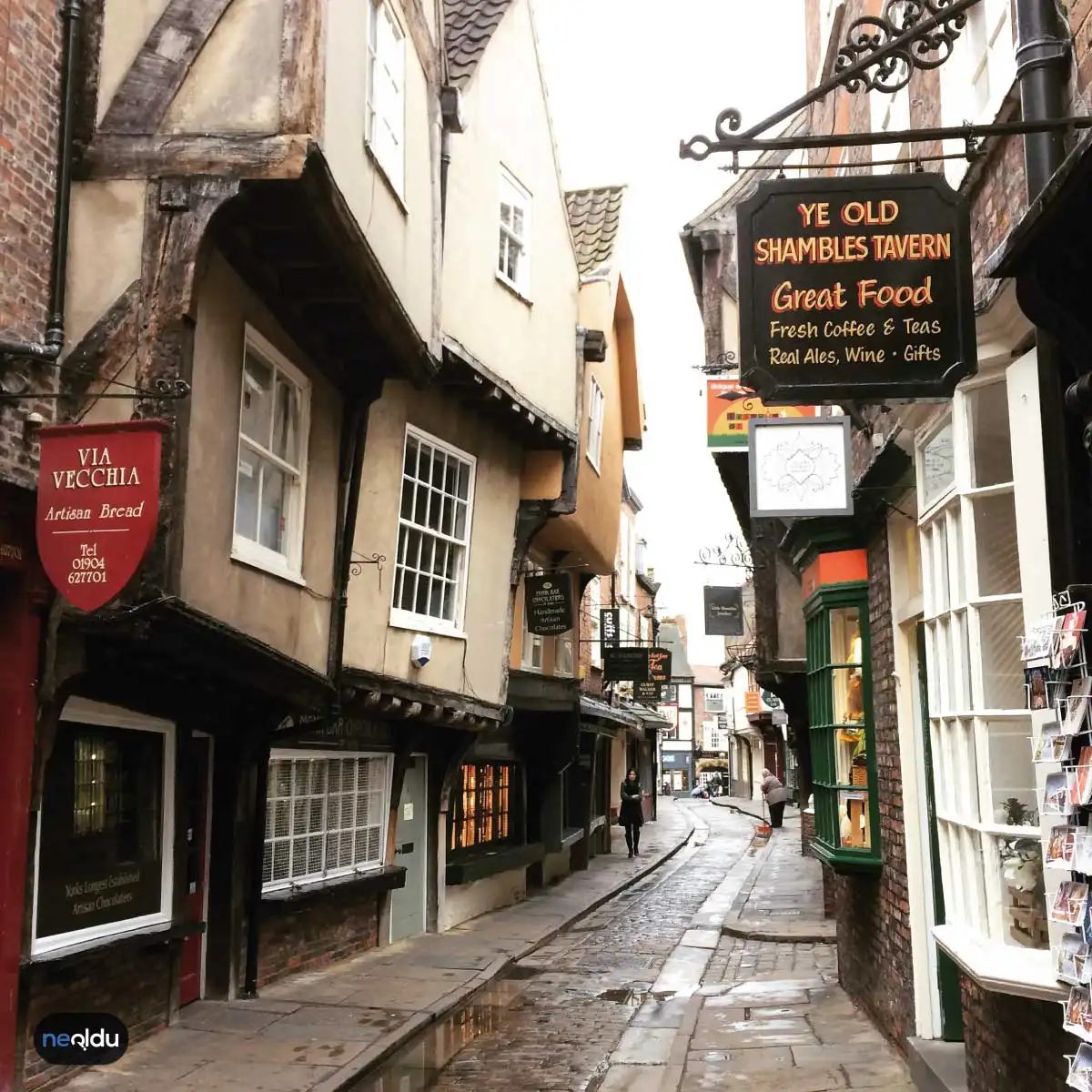
Shambles grabs you by the throat. It’s small and dark, with a faint whiff of history (and maybe a bit of cured meat if you’re lucky). Walk over uneven cobblestones, look up at leaning wooden houses and avoid busy tourists. Everyone calls it ‘Harry Potter Street’. This makes sense. The protruding upper layers create long, dramatic shadows that make you feel like you’ve stepped out of a magical world. However, you have to leave the area after taking selfies and buying expensive candies. Then you look at the horizon.
5. The walls of York
If the Shambles are the face of York, the walls are its bones. These are the oldest, longest and best preserved city walls in England. You’re looking at over two miles of wall that has kept Vikings, rebels, and time at bay for nearly 2,000 years.
Why walk them? Because the view from the top is something you won’t find anywhere else in the city. Don’t just look at York. You can see the layers. Beneath the medieval skyline are modern roofs, and behind them are plain Yorkshire moors. It’s not just walking. It’s a timeline.
The route is easy. There are five main gates you can pass through: Bootham Bar, Monk Bar, Walmgate Bar, Bishop’s Gate and Micklegate Bar. The Monk Bar is the grandest of portals and is the portal through which kings and conquering armies are likely to pass. Very impressive. Stone arches, narrow passages and some gravel. If you want to feel the weight of history, start here.
Payment? It’s free. No ticket required. No guide needed. Just show up. The ramparts are open to the public and can be accessible from various points in the city. Most of the route is paved, but some parts can get muddy after rain. Wear sturdy shoes. No cute sandals. The stones have been smoothed by the footprints of centuries, but they can become slippery when wet.
When to go?
Morning is the best. A soft light hits the stone from the east. It shines. It can be busy in the afternoon. Tours groups spill out of the gate like ants. If you go late afternoon, you might see the sunset. The walls face south and east, so the light changes quickly. Shadows lengthen. The city looks different. Quieter.
What to look for
It’s not just about walking. See below. Part of the Roman wall can be seen buried under the medieval stonework. The Romans built it first. They laid the foundation. Medieval architects reused stone. You can see the difference in texture. Older stones are rougher. Darker. Medieval additions are cleaner. Lighter. It is a physical record of the changes in construction technology over the centuries.
Look for the turrets. Some are original. Some were added later. They serve a variety of purposes: defense, vantage points, and sometimes just for display. The architecture is functional but elegant. Pointed arches. Narrow slits for arrows. Some rocks are still scarred where projectiles may have hit them.
How long will it take?
2 hours. Probably 3 if you stop to take pictures
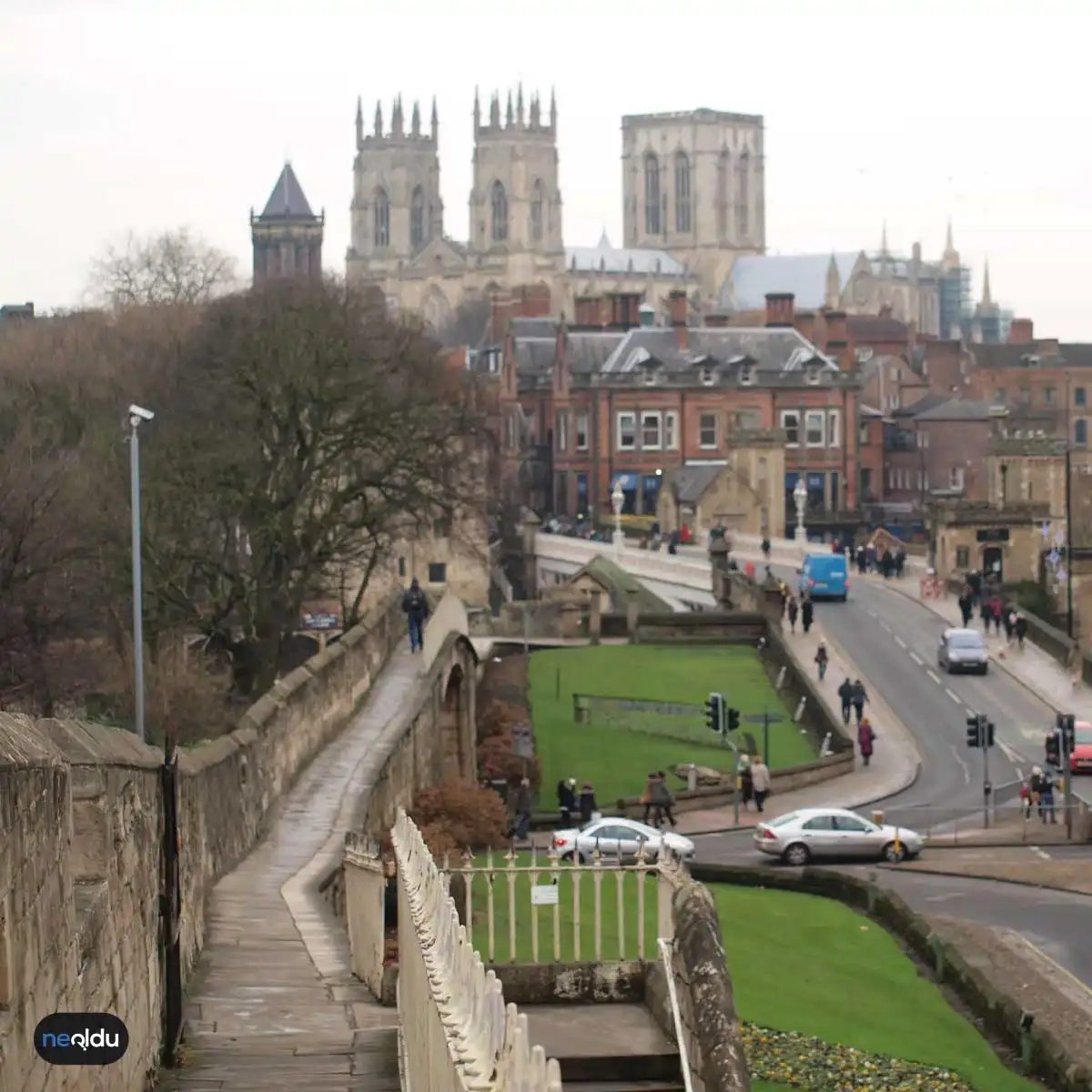
The walls surrounding York weren’t just stone. They are history you can walk on. These were built for defense in the Middle Ages and still exist today. There are four gates scattered in the area. You have to see them. They are all top attractions. But what is the real attraction? The walk itself. The path along the ramparts offers panoramic views. Look down on the city from above. This is one of the best vantage points.
6. York Castle Museum
Just within these walls is something much quieter. Museums don’t shout. It whispers. When placed in the original castle tower, it becomes even more profound. More grounded. It’s not just about looking at things. You stand among them.
The shows here are brutal. Honest. One room is dedicated to executions. There was a scaffold for the execution. It gives me chills. The marks on the wood can still be seen today. A separate part describes the history of the castle itself. From military bases to prisons. To this.
But the museum is not gloomy. The social history department is lively. It shows everyday life. How do people live? what do they eat how did they play Some rooms have a Victorian style. Fully staged. You can almost smell the polish. Hear the floorboards creak. It’s immersive.
Why go? Because it combines great architecture and human scale. The wall above is impressive. But this place will tell you why they were needed. Why do people suffer? Why are people successful?
Logistics: Right next to the cathedral. Good for walking. Don’t miss the courtroom. Very well preserved. Let’s go early. Crowds build up by noon. The audio guide is great. It adds context that you don’t get from plaques.
The castle area itself is green. Peaceful. After experiencing the weight of the museum, feels different. Lighter. The sun hits the stone differently now. The city you see is not a monument. But as a place to live.
Where are you going next? Urban expansion. Behind the wall. There are many other attractions. More to walk. More to wonder at.
7. Museum Gardens
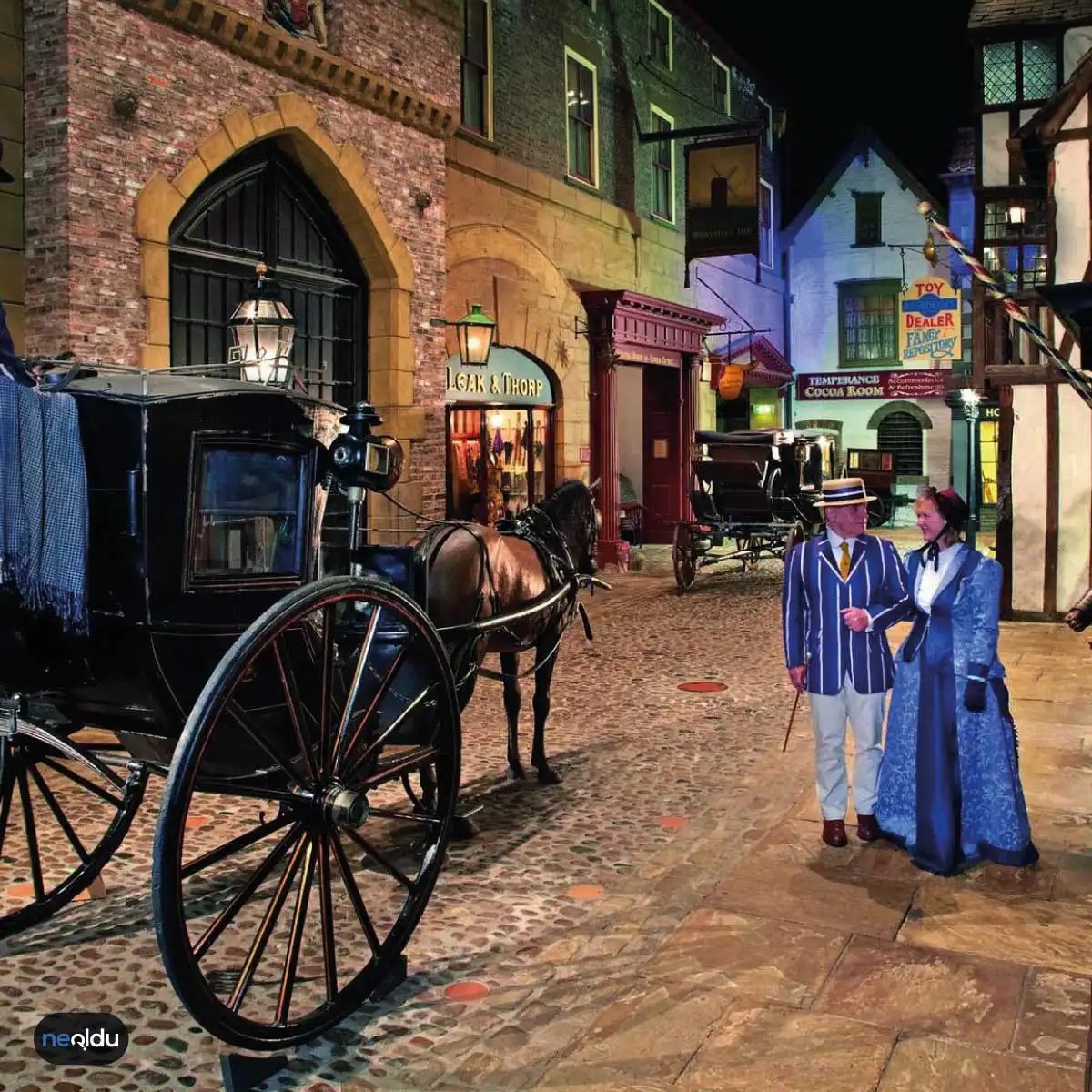
Stroll the museum’s Victorian streets and you’ll quickly find something. The Museum Garden is located just behind the castle walls and gives you the feeling of a huge green lung, very different from the cobblestones. But don’t let the silence fool you. You are walking through history. literally.
The centerpiece of the garden is the Roman Wall. Yes, that wall. About 200 meters long, it is York’s longest and best-preserved Roman fort. You can get your hands on a rough stone built by Legio II Augusta in the early 2nd century. This is more than just an obstacle. It’s a timeline. The castle walls themselves are older than the castle ruins we saw earlier. Older than the museum. Older than most buildings in the city center.
The garden itself is a masterpiece of many layers of history. There are the Roman wall. Then the cloisters of the medieval cathedral loom overhead. And the follies of the 18th century are scattered in the trees. It’s chaotic in a good way.
What to actually see here:
- The Minster View: The gardens have traditional postcard-like views of York Minster. Gothic towers rise above the tree line and are surrounded by old oaks. Without a doubt, this is the best photo spot in town. To avoid tour groups, get light without crowds, arrive before 9:00am.
- King’s Stone: A small inconspicuous marker near the wall. King Harald Hardrada is said to have landed here in 1066. Believe the legend or not, standing there is connects you to the moments before the Battle of Stamford Bridge. There is a tangible link to the Viking invasions that shaped the city’s name.
- Rose Garden: If you visit between May and September, this is the highlight. Hundreds of rose bushes are carefully tended, creating a rich aroma and color. It is very quiet. It is very peaceful. It’s a great place to sit on a bench and relax after navigating the crowded castle interior.
- Archaeological Excavations: The University periodically conducts excavations here. If you’re lucky, you might be able to catch a live excavation. This rarely happens, but if it does, stay. It’s much more interesting to watch archaeologists remove dirt from 2,000-year-old pottery in real time than to read a plaque.
Logistics for the traveler:
–Cost: Free. Unlike the castle or the Minster, gardens are free and open to the public. This adds great value to your trip.
– Time: Allocate 45-60 minutes. Not because the garden is big, but because you’ll stop. You look up. You’ll walk slowly. This is a place to breathe, not rush.
– Best season of the year: Spring and early summer. The greenery is fresh, the roses are in full bloom and the weather is often mild enough to walk. Winter are cold and windy, but the desolate skeletons of the trees have an grim beauty against the gray sky.
Why it matters:
Most visitors see York as a series of checkboxes. Castle. Museum. Shop. Eat.
8. Jorvik Viking Centre
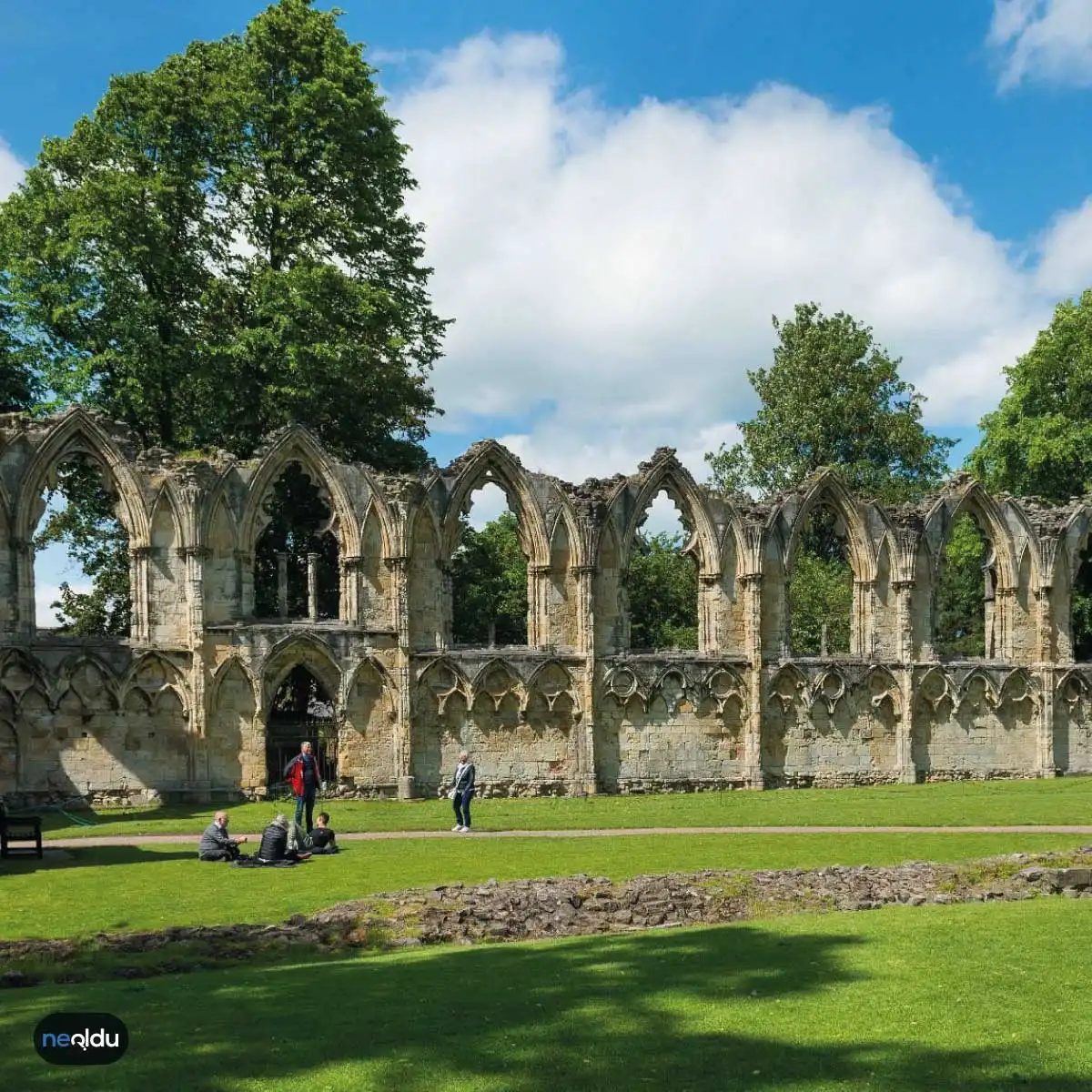
If you want to spend time in York, there is a museum garden on the banks of the Ouse River. In 10th place is the monastery of St. Mary, Ikuntulallila Hafzizanuza Kazniyor. Squirrels jump from branch to branch. The city noise fades away. It is ideal for a breath of fresh air.
Why visit the Jorvik Viking Centre in Jorvik?
If you’re looking for the best things to do in York, this place is non-negotiable. It is more than just a museum. This is a time machine. Jorvik Viking Centre reconstructs of the 10th century Viking street. You are stepping into the past. The smell hits first. It is authentic.
This attraction is located on the grounds of an authentic Viking house, which was discovered during excavations in the late 1970s. The team behind this project used archaeological finds to build an immersive audiovisual presentation. Ride a small tram. Slide down the muddy streets of Jorvik.
What’s going on inside?
The experience is intuitive. These guides use period accurate artifacts. Learn how the Vikings lived. The main focus is on explaining everyday life. meal preparation. Craftsmanship. social structure.
Key highlights include:
* Viking Street : Life-size recreation on a busy market street.
* Audio-Visual Journey : A simulation of a moving walking route that guides you through the city.
* Artifact Displays : Authentic tools, clothing and household items can be found in the soil.
Logistics and timing
The center is located in the city center. It is located near the museum garden. Plan to spend about 1 to 2 hours. Reserve your ticket in advance online. This saves time. During the season, queues can be long.
Entrance fees vary. Check the official website for current prices. Families should go early in the day. Children like the interactive aspect. The sensory details keep adults engaged too.
How to get there
You can walk from the station. The trip takes about 10 minutes. Follow the signs to the castle. The center is close to the river. Public buses also stop nearby. If you rent a car, parking in the city center is difficult. Use park and ride facilities.
Nearby sites
After leaving Jorvik, walk back to the museum garden. The contrast is clear. At some point you will be in a muddy viking village. Then you are in a peaceful English garden. The activity of squirrels is intensive. This is a great place for sandwiches.
Why this matters
Understanding the history of York requires more than just reading a plaque. It requires immersion. Jorvik Viking Centre offers just that. It connects you to the city’s deepest roots. The Vikings changed the culture of this region. Their legacy lives on.
This experience is unique. You remember the smell. You remember the sound. It’s not just sightseeing. You are entering a different world.
Where else can history be remembered so vividly? The answer is nowhere else in York. Go. See it. Feel it. Then find a bench. Watch for squirrels. think about it
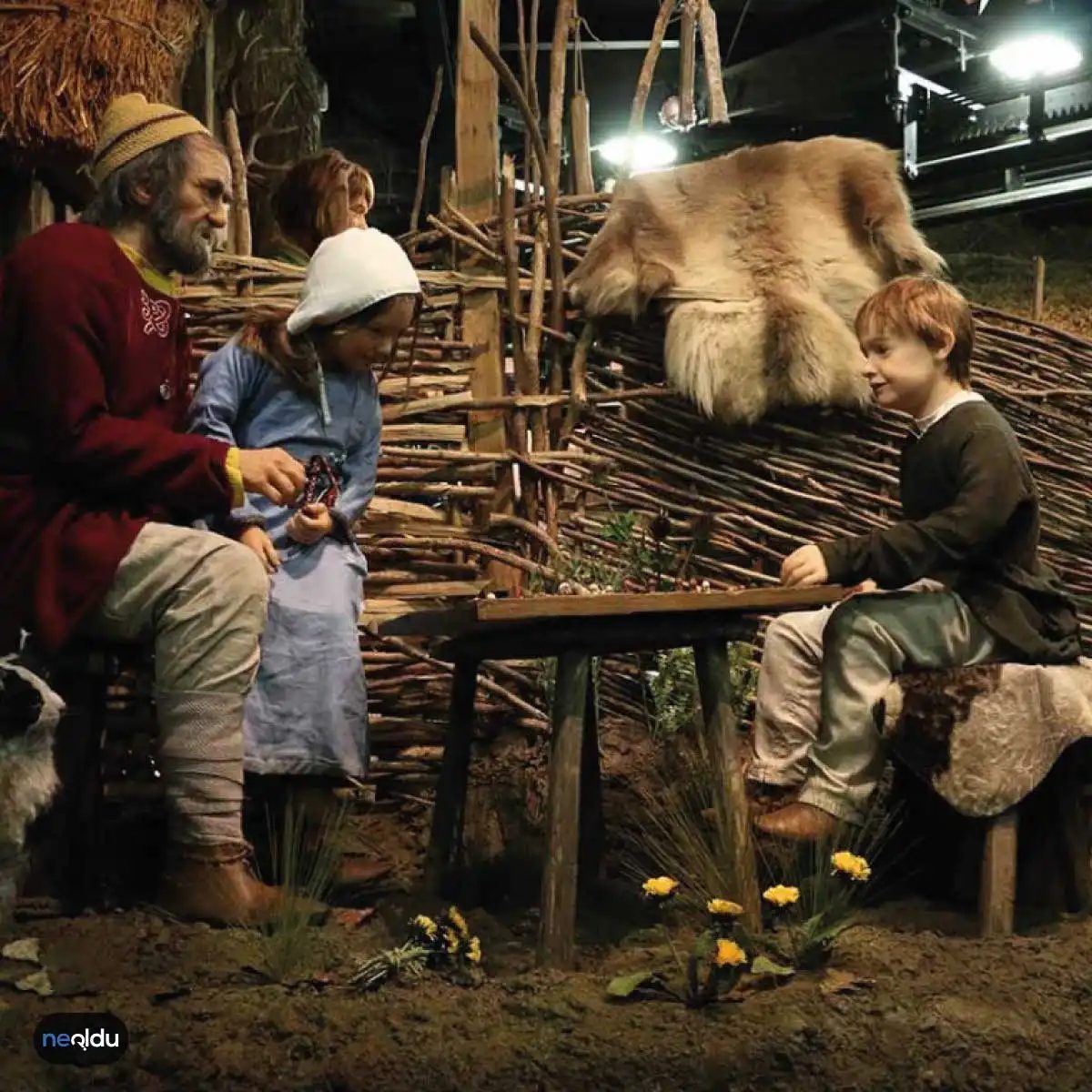
York’a geldiğinizde, Vikinglerin izlerini sürmek sadece bir tarih dersi değil, zaman makinesine binmek gibidir. Jorvik Viking Centre, bu deneyimin kalbi. 1984’ten beri kapılarını açan bu merkez, sadece bir müze değil; kokularla, seslerle ve görsellerle dolup taşıyor. Gerçekçi balmumu heykelleri, o dönemin insanlarını yaşatıyor gibi hissettiriyor. Kazılar sırasında ortaya çıkan kalıntılar ise sadece birer obje değil, Vikinglerin günlük hayatının somut kanıtları. Her yaş grubundan ziyaretçi için ideal olan bu durak, unutulmaz anılar biriktirmek isteyenler için vazgeçilmez.
9. Rowntree Park
Şehrin gürültüsünden ve tarihi yükünden sıyrılıp nefes almak için Rowntree Park tam bir sığınak. Jorvik’ten yürüyüş mesafesindeki bu yeşil alan, York’un sadece taşlardan oluşmadığını, aynı zamanda huzurdan da beslendiğini gösteriyor. Park, sadece bir piknik alanı değil; aynı zamanda şehrin sosyal hayatının nabzını tutan bir mekan.
Buraya ne zaman gitmeniz gerektiği büyük önem taşıyor. Yaz aylarında güneşli günlerde yerel halkın ve turistlerin buluşma noktası olan park, sonbaharda ise altın sarısı yapraklarıyla fotoğraflarınız için mükemmel bir arka plan sunuyor. Giriş ücretsiz olduğu için bütçe dostu bir seçenek olarak öne çıkıyor.
Parkın içinde yürürken, şaşırtıcı bir detaya dikkat etmeniz gerekiyor. Bu alanın sadece bir park olmadığını, aynı zamanda Rowntree Factory ’nin tarihinin de yansıtıldığı bir yer olduğunu fark edeceksiniz. Şokolatın bu şehre olan etkisi, parkın köşelerinde bile hissediliyor. Eski fabrika binalarının restore edilmiş hali, modern York’un tarihiyle olan bağını canlı tutuyor.
Logistik açısından park oldukça erişilebilir. York Minster’dan yaklaşık 10-15 dakikalık yürüyüş mesafesinde. Araba ile gelenler için yakınlarda ücretli otoparklar bulunuyor, ancak şehri ayakla keşfetmenin tadı bambaşka. Yürüyüş rotaları düzgün ve işaretli, bu da ilk kez gelenler için kaybolma riskini sıfırlıyor.
Neden burada durmalısınız? Çünkü York’un karakteri, sadece kulelerde ve müzelerde değil, bu yeşil alanlarda da yansıyor. Yerel bir kahve kupasıyla oturup etrafa bakın. Çocuklar çimlerde koşarken, yaşlı çiftler banklarda sohbet ediyor. İşte bu, canlı bir şehrin nefes alış biçimi.
Gezinizi planlarken, tarihi cazibenin ardından bu doğa buluntusuna yer verin. Zihninizi temizlemek, daha fazla keşfetmeye güç kata
10. Yorkshire Museum
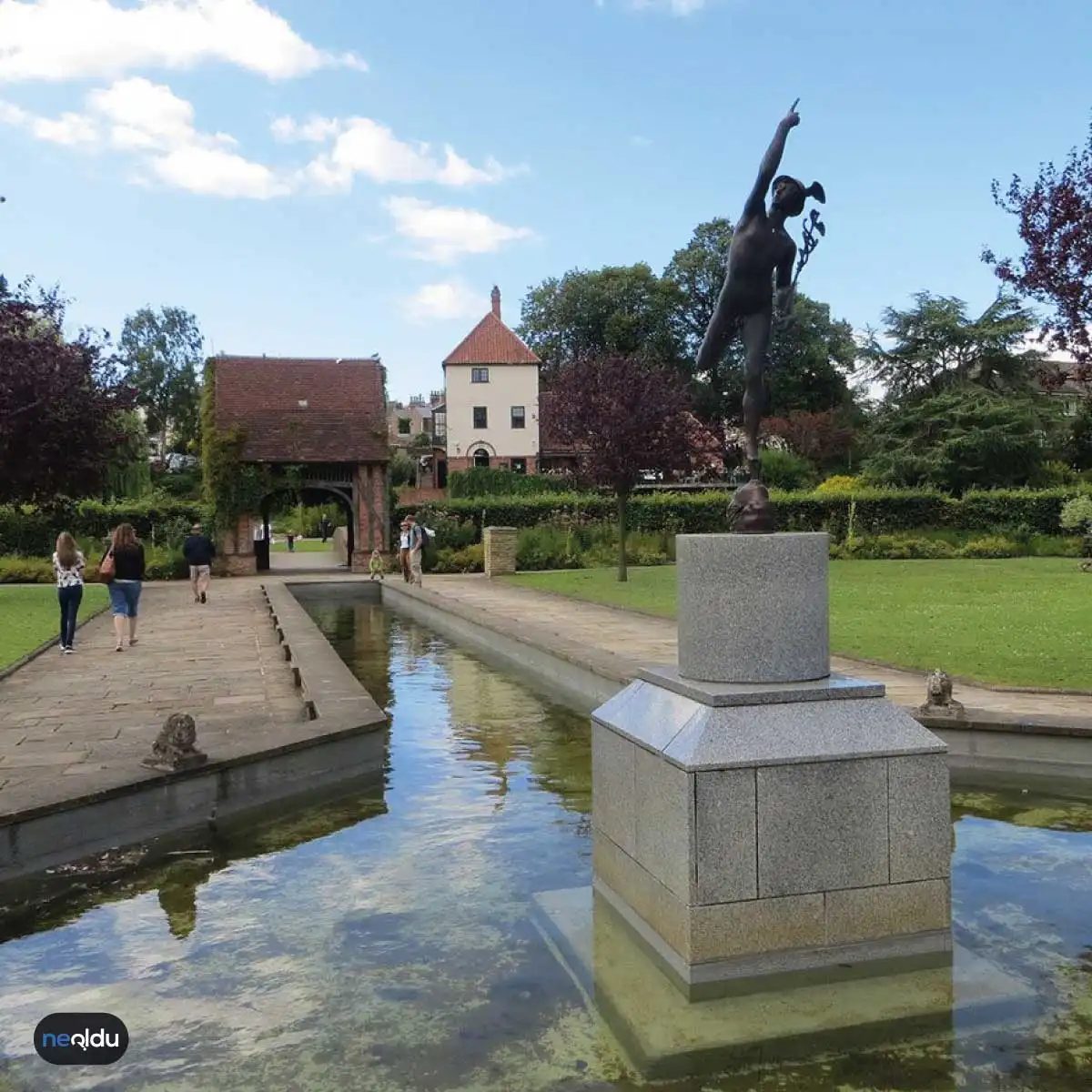
Rowntree Park’daki hareketlilikten sonra zihin ve bedeni durdurmanın en iyi yolu burası. York’un kalbinde, Minster’a sadece birkaç adım mesafede duran bu müze, sadece bir eser koleksiyonundan ibaret değil. Kentin köklerine inen bir yolculuk.
Neden Buraya Gitmelisiniz?
Yorkshire Müzesi, şehrin en derinlikli hikayelerini anlatır. Viking döneminden modern çağa kadar uzanan bir zaman çizelgesiyle karşılaşacaksınız. Özellikle Vikingler bölümü, York’un (Jorvik) tarihsel önemini gözler önüne seren en güçlü kısımdır. Yeri gelmişken, Jorvik Viking Merkezi ile burayı karıştırmayın. Biri bir simülasyon deneyimi sunarken, diğeri orijinal eserlerin ve arkeolojik buluntuların evi.
Müze binası kendisi de bir başyapıt. 1930’larda yapılan bu yapı, sade ve heybetli. İçeride sizi bekleyen ana çekicilikler şunlar:
- Jorvik Viking Centre Arkeolojik Parçaları: Orada bulunan gerçek ev eşyaları, araçlar ve hatta kişisel hikayeler.
- Doğa Tarihi Koleksiyonu: Yerel Yorkshire faunası ve florası üzerine detaylı bir inceleme.
- Endülüs Kültürü: İber Yarımadası’nın Müslüman yönetimi döneminden kalma nadir eserler.
Pratik Bilgiler ve Logistika
Müze genellikle her gün açık. Giriş ücretsizdir. Bu, York’ta bütçe dostu bir gün geçirmek isteyenler için büyük bir avantaj. Zamanınızı nasıl harcamalısınız?
- Viking Odasına İlk Durak: Kalabalığı atlatmak için sabah ilk saatlerde buraya uğrayın.
- Yerel Tarih Turları: Rehberli turlar, sadece eserleri görmekle kalmaz, arka plandaki siyasi ve sosyal dinamikleri de anlatır.
- Kütüphane ve Arşivler: Akademik meraklıları veya derinlemesine araştırmak isteyenleri memnun edecek özel koleksiyonlar.
Hangi Zaman En İyisi?
York, turist dolusu. Yaz aylarında müze kapısında uzun kuyruklar görülebilir. Bu nedenle, erken saatler veya akşamüstü saatleri daha sakin bir deneyim sunabilir. Özellikle kasım ile şubat arası, yerel halkın yoğun olduğu dönemlerdir.
Ulaşım ve Konum
Müze, York City Centre’da, Walmgate üzerinde yer alır. Rowntree Park’tan yürüyerek ulaşmak yaklaşık 15-20 dakika sürer. Manzara güzeldir; caddelerdeki tarihi binalar üzerinden yürürken York’un mimarisini de görme şansınız olur.
Eğer sadece bir müzeye vakit ayıracak olsanız
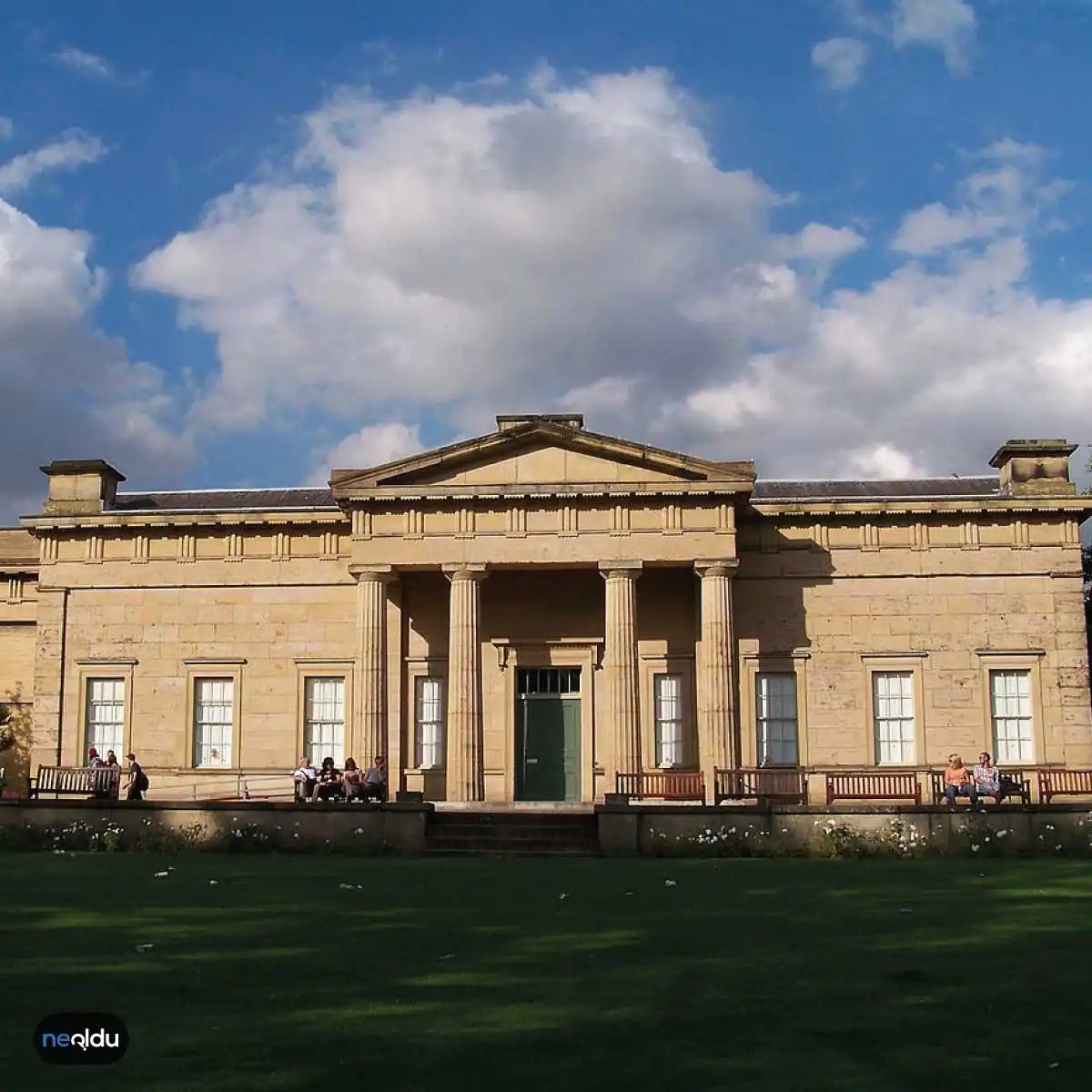
York Museum’un o geniş bahçesinde dolaştıktan sonra aklınıza gelecek tek soru şu: Peki ya şehrin hemen dışında, biraz daha uzakta ama kesinlikle kaçırılmaması gereken bir yer var mı? Cevabı evet. Ve o yer Castle Howard.
Tarihi bir köşk değil, bir imparatorluk
York’tan kuzeye doğru, yaklaşık 15 kilometre uzaklıktaki Hovingham köyünde durur Castle Howard. 1830’da açılan müzeden çok daha eski. Çok daha büyük. Ve çok daha dramatik.
Buraya geldiğinizde ilk şey sizi karşılamıyor aslında. Yolun sonunda, tepenin üzerindeki devasa yapı yükseliyor. Barok mimarinin en çılgın örneklerinden biri. 1699’da inşa edilmeye başlanan bu köşk, İngiliz tarihinin en zengin ailelerinden Howardlar’a ait. Üstelik halen aynı aile tarafından yaşıyor. Yani burası bir müze değil, yaşayan bir tarih.
Neden Castle Howard?
Çoğu insan York’a gelir. Clifford’s Tower’a bakar. Shambles sokaklarında yürür. Sonra gider. Ama Castle Howard, o döngünün dışına çıkmanızı sağlar. Neden mi?
- Mimari büyü: St Paul Katedrali’nden daha geniş olan kubbe binası. İçerisindeki merdivenler. Tavanlardaki freskler. Bunlar sadece fotoğraf için değil, hissetmek için.
- Görsel şölen: 1.000 hektarlık park alanı. Ormanlar. Barok bahçeler. Göller. Yaz aylarında burası yeşilin her tonunu görmeniz için bir laboratuvar gibi.
- Filmlerin sahnesi: Bridgerton, Downton Abbey, Jane Eyre. Evet, o ünlü sahnelerin çoğu burada çekildi. Ama siz oraya orası için gitmeyin. Oraya orada hissettiğiniz huzur için gidin.
Nasıl Gidilir, Ne Kadar Sürer?
York merkezinden araba ile 20-25 dakika. Tek bir ana yol var. İşaretler çok net. Toplu taşıma ile gitmek isterseniz, York’tan Castle Howard’a giden özel bir otobüs hattı var. Ancak yaz aylarında sıkışabilir. Kendi aracınız varsa, esnek olursunuz.
Giriş biletleri yetişkinler için yaklaşık 24-25 pound. Çocuklar için daha ucuz. Ama şunu bilin: Bu ücret sadece binaya girmek değil. Tüm parkı gezmek. Bahçeleri görmek. Müzeleri gezmek için. Değer.
İçeride Neler Var?
- State Rooms: Kraliyet odaları. Işıltılı duvarlar. Devasa avizeler. Burası sadece görülmek için değil, ölçülmek için.
- The Library:

You have to wonder if York’s magnificent architectural history is ever meant to feel so intimate. Most respectable homes keep their distance from you, protecting you with velvet ropes and whispered warnings. Castle Howard is different. Still owned by the Howard family, the link to the 18th century is alive and well, and the experience is less like a visit to a museum and more like a history book that hasn’t closed its covers yet.
This North Yorkshire building stands out not only for its baroque elegance, but also for its large size. The gardens are huge, so you need time and good shoes. You don’t just look at the house. you are looking at the house You are visiting an impressive landscape. The furniture inside has not been removed. They stay in place and grounding the space in its era. The furniture, the artwork, the layout, everything makes you feel like you’ve traveled back in time.
12. Merchant Adventurer’s Hall
If Castle Howard symbolizes aristocratic power, the Merchant Adventurers’ Hall symbolizes the city’s resilient commercial backbone. This is not a palace. It’s a guildhall. Built in the 14th century, it has a historical weight and feels heavier because it is smaller, denser and intact.
This is one of the best preserved medieval halls in England. The wooden roof structure alone is a masterpiece of medieval carpentry. The woodwork you see has withstood the passing of centuries, weather and war without much intervention. For travelers interested in medieval architecture in York, this is a stop not to be missed. This hall was used by the Merchant Adventurers, a powerful guild of cloth merchants who controlled English wool trade. Their influence has shaped York’s economy for hundreds of years.
Why is this important to you today? Because you can touch the wall. You can stand under the hammer beam ceiling and watch the craftsmanship up close. The cost to visit York’s historic guildhall is cheaper than the castle, so you can easily add it to your itinerary. Admission includes admission to the main hall, which often includes a short guide or information board explaining the guild’s role in medieval trade.
Location is important here. The proximity to the center makes logistics easier. You can walk to the cathedral and the Shambles without a taxi. This proximity allows you to bundle your sights. Start from the medieval streets and enter the quiet, solemnity of the Hall. The contrast is clear. One is a chaotic and busy medieval street. The other is a peaceful wooden commercial cathedral.
What makes this ruin really worth visiting is that it is very well preserved. Many halls were demolished or rendered unrecognizable. Most of it has been preserved as it was in the 15th century. The stained glass, though later additions, adding color to the plain wood and stone. The room feels small, but the eye is drawn to the ceiling, forcing you to appreciate the verticality of the space. It’s a reminder of how influential business people can be. They weren’t just sellers; They are civic leaders. They built bridges. They funded churches. They run the city.
If you’re planning a trip that focuses on Historic Buildings in North Yorkshire, don’t take this as a minor side note. It is a key part of York’s commercial history. The Hall hosts events
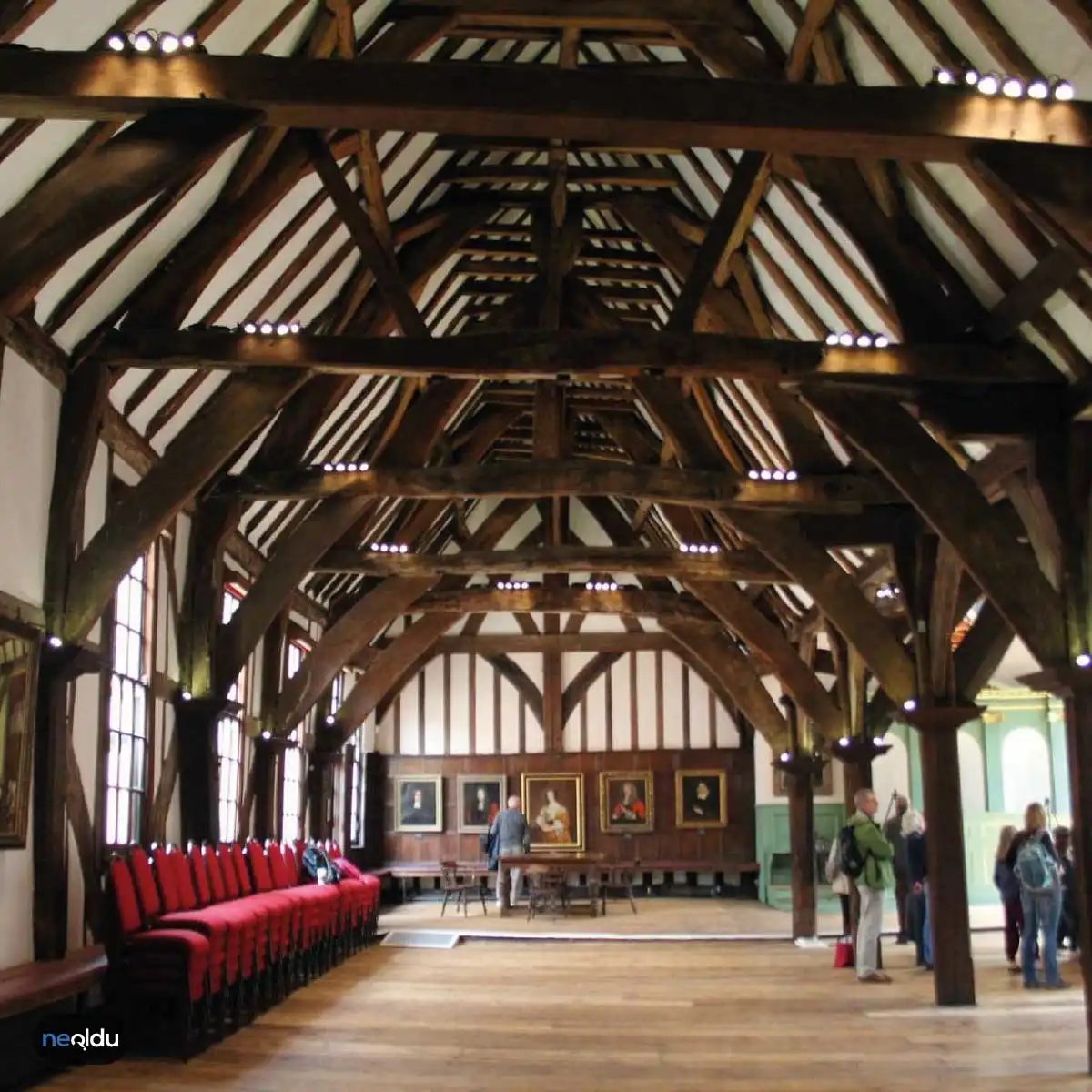
Ortaçağ’dan kalma Merchant Adventurers’ Hall, York’un en gözde duraklarından biri. İçeri adım attığınızda sizi bekleyen şey sadece tarihi bir yapı değil, aynı zamanda küçük bir kafeterya ve ahşabın hakimiyetindeki yüksek tavanlar. Birçok ziyaretçi, bu mekanın samimi atmosferi ve sessizliği sayesinde gerçekten keyifli vakit geçiriyor. Ziyaretiniz boyunca rehberli bir tur almayı tercih ederseniz, binanın geçmişine dair detayları daha derinlemesine öğrenebilirsiniz.
York Maze: Bir Labirente Dalmak
Şehirdeki o meşhur labirentten bahsetmiyoruz. York’taki York Maze, dünyanın en büyük yıllık mısır labirentidir. Her sezon, uzman bir ekiple tasarlanır ve binlerce insanın keşfetmesi için açılır. Bu sadece bir yol bulma oyunu değil, aynı zamanda büyük bir görsel şölen.
Neden York Maze’i ziyaret etmelisiniz?
Çünkü bu mekan, sadece bir eğlence parkı değildir. Her yıl farklı bir tema ve tasarım sunuyor. Zemin çizgileri kuşkusuz görülüyor. Ancak asıl büyü, yukarıdan bakıldığında ortaya çıkıyor. Zamanınızı harcamak istiyorsanız, erken saatlerde gitmek en akıllıca hamle.
Logistik ve Pratik Bilgiler:
* Konum: York’tan yaklaşık 12 kilometre uzaklıktaki Huby köyünde yer alır.
* Ulaşım: Kendi aracınızla gitmeniz önerilir. Toplu taşıma ile erişim sınırlıdır, otobüs seferleri mevsime göre değişir.
* Maliyet: Bilet fiyatları genellikle yetişkinler için 12-15 pound civarındadır. Çocuklar ve aile paketleri için indirimler mevcuttur.
* En İyi Zaman: Yaz aylarında, özellikle hafta içi sabahları kuyruktan kurtulmak için idealdir.
Labirentin içine girdiğinizde, yüksek mısır tarlaları arasında kaybolma hissi yaşarsınız. Bu hissiyat, York’un tarihi sokaklarında yürümekten çok farklıdır. Burada modern bir bulmaca ile karşılaşırsınız. Eski taşlar yerine yeşil ve altın rengi yapraklar vardır.
Neden Bu Kadar Popüler?
York Maze, sosyal medyada sıkça görünen bir mekan haline geldi. İnsanlar, labirentin içindeki heykelleri ve sanatsal tasarımları fotoğraflamak için buraya akın ediyor. Bu durum, ziyaretçi sayısını artırıyor. Ancak kalabalıktan kaçınmak için stratejik bir planlama yapmak gerekir.
Hangi sezon daha iyidir?
Temmuz ve Ağustos ayları en yoğun dönemlerdir. Ancak hava koşulları da en uygun olanıdır. Sonbaharda, mısır tarlalarının sarıya dönmesi farklı bir
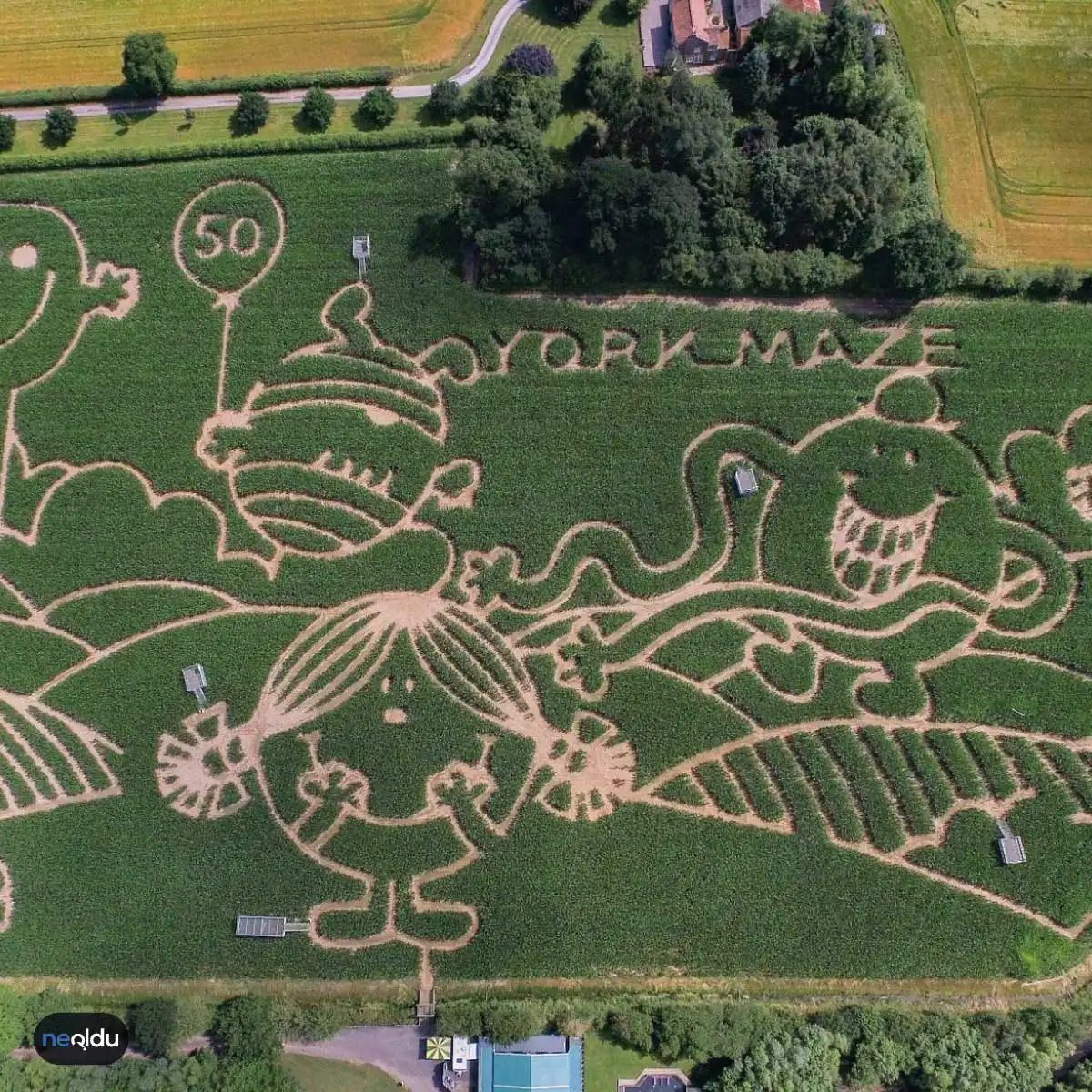
Why York Maze is worth the detour
This is more than just a cornfield. This is a puzzle.
Ten football fields. This is the size of the York Maze, widely regarded as the largest maze in the world. If you are planning to visit Yorkshire, it would be a mistake to miss this trip. Its size alone commands respect. You walk in one gate. You have no idea where you’re going. The exit is a mystery until you solve it.
How to navigate a huge cornfield
The labyrinth changes every year. Don’t reuse the same layout. This means that your previous visit will not be useful this time. You have to start over. The goal is simple. Solve the scattered puzzles and find a way to escape. There are no maps. No GPS. Just you and the stalks.
“The help is not free. If you figure it out on your own, you get a reward.”
This is the hook. Independence is rewarded. If you get lost, as always, ask for help. But you will lose the prize. It’s a subtle psychological game. Do you trust your intuition? Or do you call for a volunteer who knows the layout? Most people try to solve the problem themselves first. The stakes seem small, but the frustration is real.
When and where to go
Location: York, United Kingdom.
Season: From late summer to autumn. Corn needs heat to grow. The best time is usually September-October.
Don’t go in July. It’s just green weeds. Don’t go in November. The stems are withered and brittle. You want the height. You want the density. The maze is at full maturity then. The shadows are long. The atmosphere changes from fun to a bit confusing.
The logistics are simple. It is close to the city, so we recommend combining it with a day trip. If you want more flexibility, rent a car. There are usually plenty of parking spaces. Tickets are sold online and early-bird discounts are often available. If you come on a Saturday during the busy season, without a ticket, but you will have to wait. 1 hour. Maybe two. The heat inside the maze can turn walking into an ordeal.
What is really worth seeing?
In addition to corn, this site is constantly growing. It’s not just a row of corn anymore. There is a playground. Food stalls. If you go in late October, you might even see a haunted house. But the core experience is the labyrinth itself.
The puzzles vary. Some are physical. Find a specific stone. Raise the flag. Others are riddles. Some parts require a flashlight. It becomes a scavenger hunt disguised as a walk. The variety keeps it from becoming repetitive. If you’ve ever seen a corn maze, chances are you’ve never seen one quite like it. The difference is obvious when you look at the size of the yoke. You lose track of time. You lose track of direction. That’s the point.
What kind of traveler is this suitable for?
It doesn’t apply to everyone. Puzzles can be difficult for young children. It can be a hassle for travelers who want to take quick pictures. But if you are a traveler who prefers to participate rather than passively observe, this is the place for you. It is interactive. Participation is required.
The cost is reasonable for what you get. A few hours of activity. A little exercise. A memory of getting turned around in a giant field. A traditional British autumn experience scales up to become a world record